
YouTube, Substack, TikTok, Pinterest, and Meta tighten AI rules on monetized creators
New labeling, detection, and feed controls aim to reward original storytelling, not mass-produced AI slop.
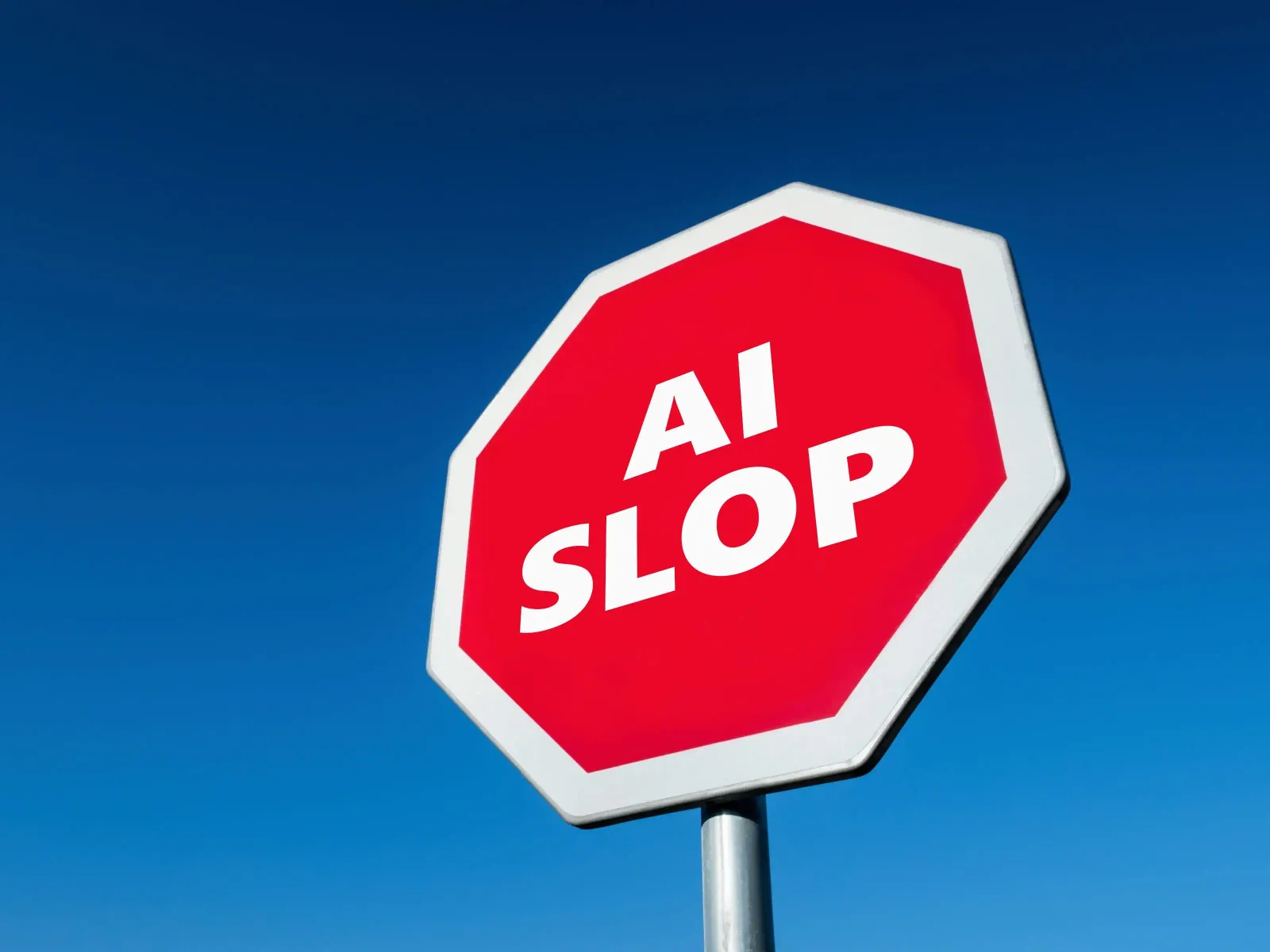
YouTube, Substack, TikTok, Pinterest, and Meta are updating AI-generated content guidance and enforcement, with particular focus on creators who monetize. For decision-makers, the shift signals a broader platform strategy: protect ad and user trust while keeping creator ecosystems from getting flooded.
If you run a creator business, the rules of the game for AI content are changing fast, and not evenly. Across YouTube, Substack, TikTok, Pinterest, and Meta, platforms are tightening guidelines, adding labels and detection, and building controls meant to reduce AI-generated “spam” that drowns out original work. The common thread is simple: AI is allowed, but the kind of AI that turns into low-effort output and manipulation is increasingly treated like an integrity problem.
The clearest example comes from YouTube. On July 20, YouTube’s trust and safety team said it wants to reward creators who use AI to enhance original storytelling, rather than those who mass-produce generic content or AI personas designed to game the platform. A YouTube spokesperson told Business Insider that the policy is not entirely new but is an important clarification of YouTube’s long-standing “inauthentic content” policy. The target is ambiguity for creators, especially those who have been demonetized for repetitive, low-effort, or emotionally manipulative videos. Translation: if your content looks like a machine trying to win engagement instead of telling a story, the monetization floor is getting firmer.
Why now? Because the business incentive is colliding with the technology reality. Social platforms have spent years pitching themselves to advertisers as brand-safe destinations, and YouTube has specifically marketed itself as the “future of television.” But a surge of AI-generated spam threatens to undermine that message. Business Insider notes that in January, YouTube removed more than a dozen popular channels that had amassed millions of views by pumping out AI-generated videos featuring characters like cats and Jesus. That’s not a subtle risk. When the platform becomes a factory for recycled novelty, advertisers and users both start asking whether the “premium” audience still exists.
TikTok is not banning AI tools, but it is trying to keep them from turning the ecosystem into a content junk drawer. TikTok, owned by ByteDance, offers AI tools for creators on TikTok and within CapCut, and TikTok Shop sellers have been ramping up AI use to sell products this year. Under the hood, much of the company’s video tech is built around ByteDance’s AI video model, Seedance 2.0. Still, TikTok is layering in controls: creators must label AI-generated content, and TikTok appends an invisible watermark to the metadata of some videos indicating they are artificially generated. In November, users gained a toggle to control how much AI content appears in their feeds. And in July, TikTok said it is beginning to test “improved detection systems” designed to target accounts dedicated to posting AI-generated spam that crowds out original creators.
Substack is taking a different approach: help readers detect AI usage, and give creators a way to disclose it. On July 21, the newsletter platform announced it would help readers identify AI-generated content by letting them scan content to estimate how much AI may have been used in its writing. Substack is partnering with Pangram, an AI detector tool, to power these AI identification tools. Creators can also add disclosures explaining how they made the content, including noting use of Claude for copyediting, or stating that they do not use AI at all. But Substack also acknowledges the cat-and-mouse dynamic. Users can fairly easily disable the AI analysis tool for Substack content by turning off AI analysis in publication settings. Creators can opt out of Pangram’s automated scanning, meaning readers will no longer see an AI-use estimate on those posts. For newsletter platforms and creator networks, that creates a new operational question: how much “trust tooling” should be mandatory versus opt-in.
Pinterest has been dealing with AI labels longer than some rivals. In 2025, Pinterest began adding AI labels to content. Creators can label content as AI-modified or -generated, and Pinterest uses detection systems to flag content that may have been AI-generated. The platform also added a tool to limit the amount of AI-generated content appearing in feeds. In June, Pinterest CEO Bill Ready told Business Insider’s editor in chief, Jamie Heller, at Cannes Lions that while there are “so many great uses of AI,” there is also a “bit of a counter movement to that with consumers.” A Pinterest spokesperson told Business Insider that the company provides controls for users to see more or less GenAI content, and that its Community Guidelines apply to GenAI content. The spokesperson added that the recommendation system prioritizes high-quality content regardless of whether it is human-created or GenAI.
Meta’s strategy is more nuanced: it is comfortable with AI created content when it is created using Meta’s own AI tools, but it still manages transparency and enforcement through labeling. Meta has labeled content as AI-generated since 2024. Across Facebook, Instagram, and Threads, Meta adds an “AI info” label to content it detects as AI-generated, but it does not automatically apply the label to content modified with AI. Meta “may require” AI labels on content with “photorealistic video or realistic-sounding audio that was digitally created, modified or altered, including with AI,” per its help page describing its AI policies. People can also voluntarily add the label. And in June, Meta began putting its “AI info” label on advertisements that use AI, whether created with Meta tools or third-party editing services.
Put it together and you get a market-wide pattern: platforms are trying to protect quality, advertiser trust, and user experience by separating “AI as enhancement” from “AI as mass production and manipulation.” YouTube’s July 20 clarification and its earlier channel removals, TikTok’s detection and feed toggles, Substack’s Pangram-powered scanning and disclosures, Pinterest’s consumer controls and labeling, and Meta’s “AI info” labels for detected content and ads all reflect the same pressure point. For executives, the second-order risk is simple: creator ecosystems are sensitive to monetization fairness and discoverability. When rules tighten, the first casualty is often not “bad actors” but the creators who were experimenting at the edge. Boards and leadership teams should treat these guideline shifts as product and trust strategy, not just policy updates, because the enforcement direction will shape creator loyalty, ad demand, and platform legitimacy well beyond this news cycle.
This story's Key Insights and Take-aways are locked.
Create a free account to unlock Executive Actions for one credit.
Register to UnlockAlways free for Executives Club members. Join the Club
More in Business

Anthropic’s Levant Alpöge cracks the Jacobian conjecture after 87 years
A Harvard valedictorian used Claude to hit a 1939 breakthrough, but the missing “why” is the real problem.

Uber buys Delivery Hero for nearly $15B, vaulting to top food delivery outside China
The deal doubles Uber's dual-services footprint and pushes a ride-and-eats bundling play into 50 more markets.

Epic and Google drop settlement bid, forcing rival Android app stores by July 22
Google told the court it is ready to carry third-party app stores starting Wednesday, July 22.