
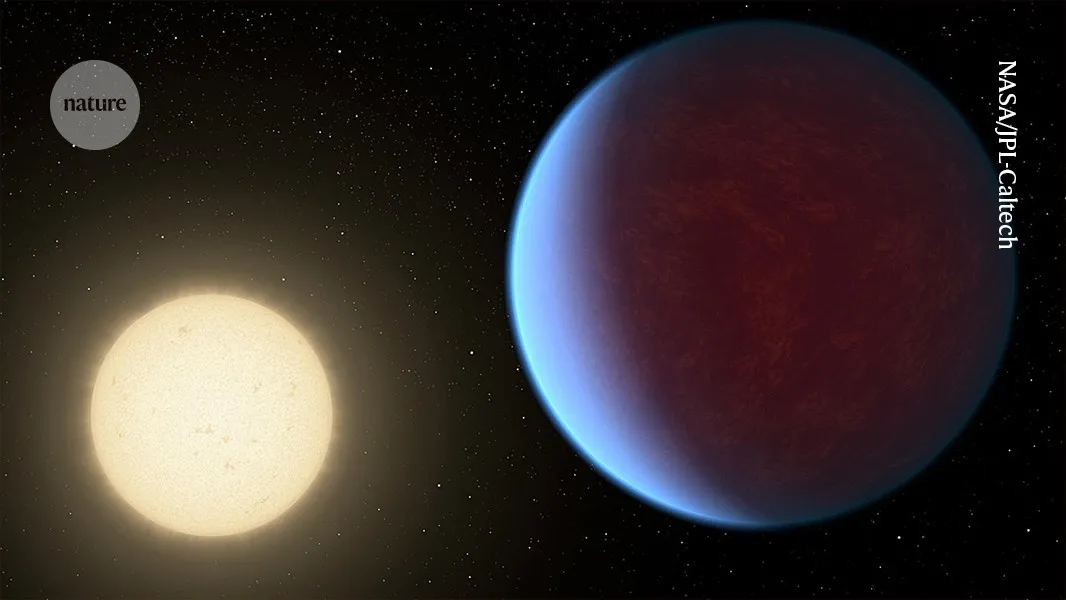
Helium escapes LHS 1140b: Nature confirms an atmosphere in a habitable-zone rocky exoplanet
The signal is helium escaping into space, tightening the odds that LHS 1140b could sustain conditions relevant to life.
By Salman Al-Amri·· 3 min

Curating from trusted global sources…
Curated from trusted global sources, refined into briefing-grade analysis with executive summaries, insights, and bullet-point takeaways.
The signal is helium escaping into space, tightening the odds that LHS 1140b could sustain conditions relevant to life.

The molecule is real, the chemistry is tricky, and it changes how we think about life's building blocks in space.

Nature reports wearable sensors on the face that stay out of sight, while still capturing measurable brain activity signals.

Decision-makers get a practical read on how long this extreme heat has lasted and what easing could realistically look like.

The 69th country to join a peace-and-safety framework, Serbia adds Apollo-era credibility and new payload possibilities.

Executives tracking public health risk, insurance claims, or air-quality rules need the fast physics behind the eerie color.

Gamma radiation tests point to a sturdier sensor path for fusion reactors, helping shrink a major grid-readiness hurdle.
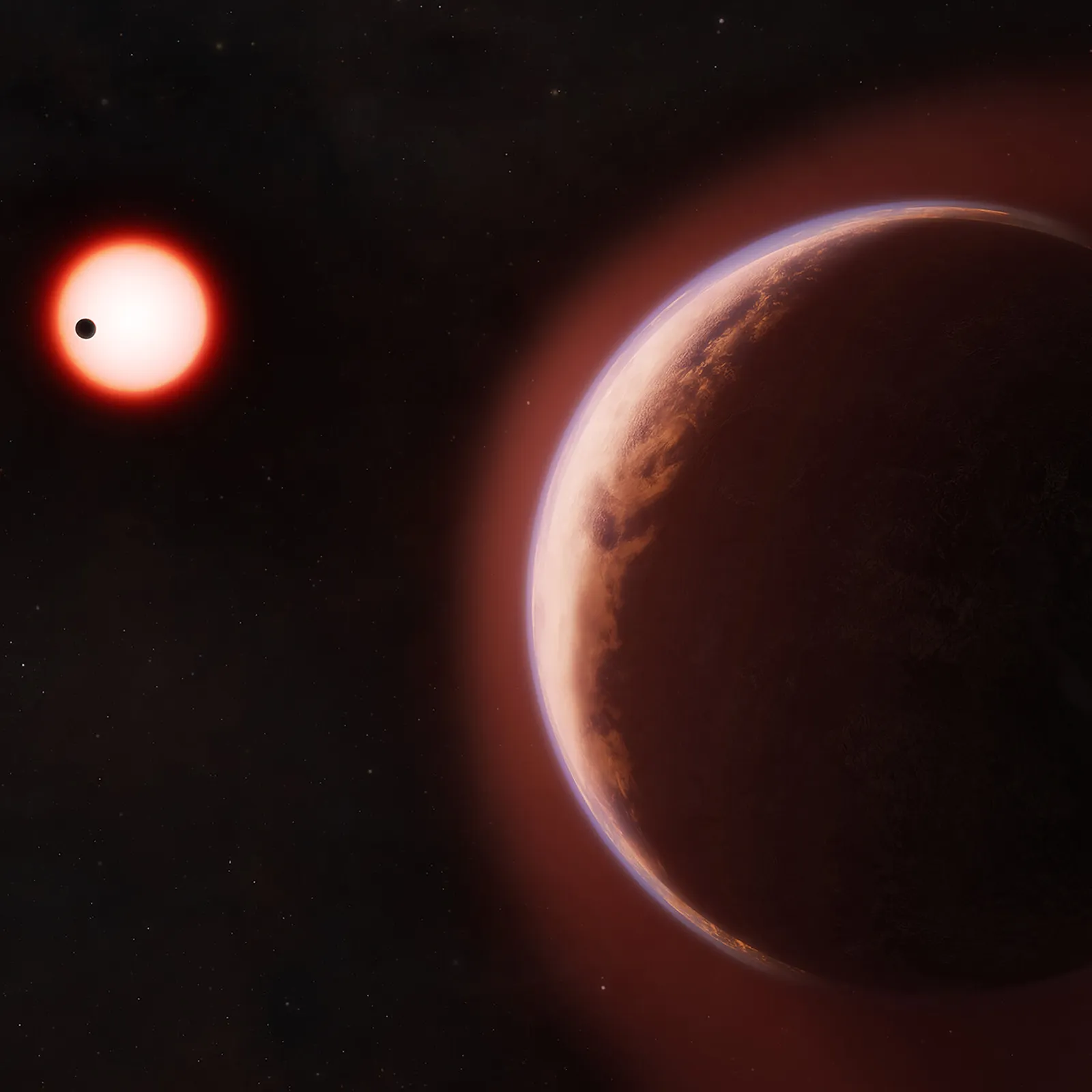
The finding makes it the first potentially habitable planet known to host an atmosphere, moving it to the top tier.

A 2,400-year-old ritual object was deliberately broken in a culture that burned its own buildings and then vanished.

A NASA imaging analysis of Pluto’s Sputnik Planitia shows six landslides, proving the dwarf planet is still geologically alive.

The Nobel physicist team used Claude to turn a decade-old jamming relation into a publishable proof in Journal of Statistical Mechanics.
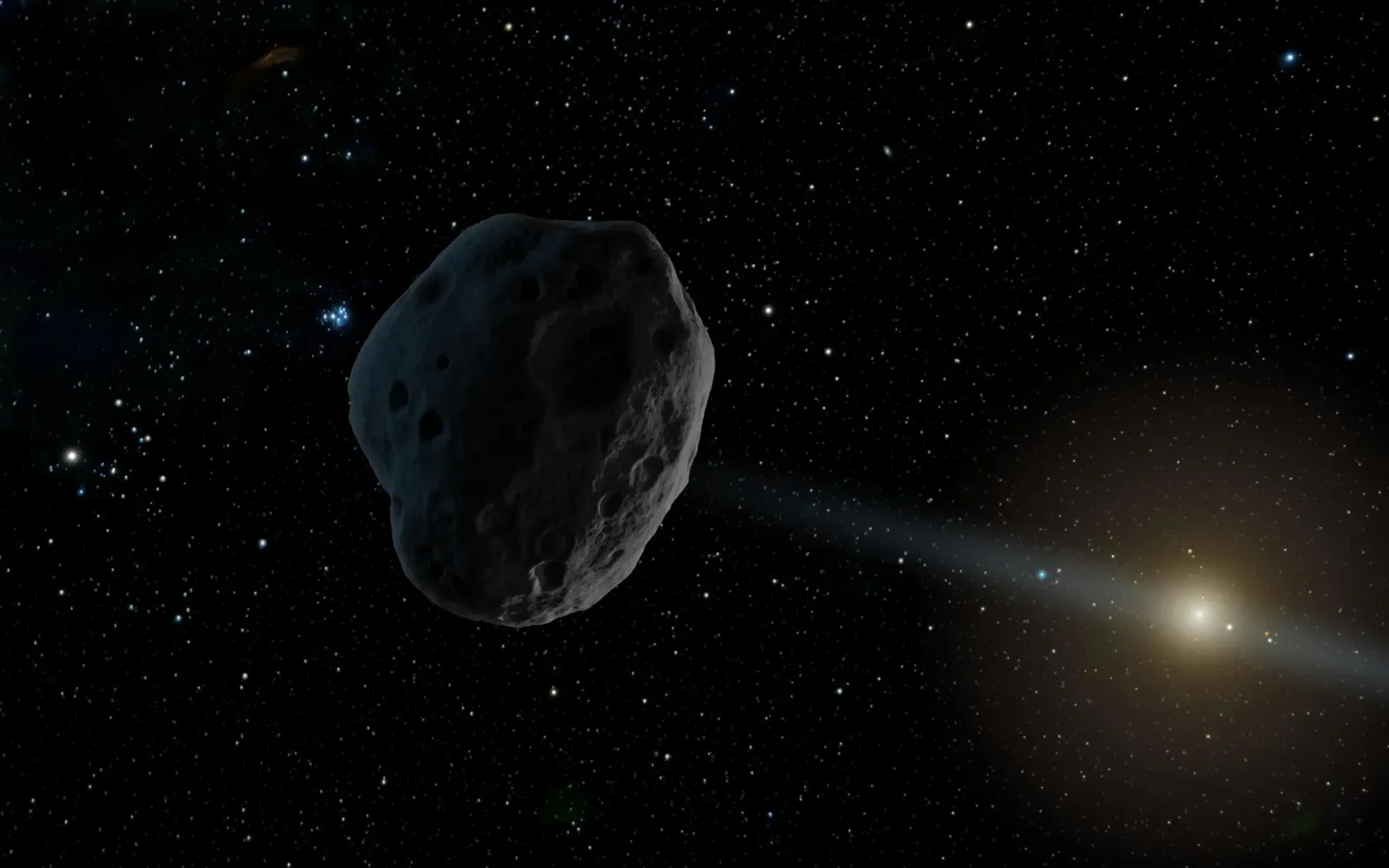
Precise tracking showed nongravitational motion, and new telescope images captured a weak tail.