

Climate evidence reframes Polynesians' eastward jump after 1,700 years of Pacific stability
New climate context helps explain why Polynesian voyagers suddenly began settling far to the east.
By Hessa Al-Faleh·· 3 min

Curating from trusted global sources…
Curated from trusted global sources, refined into briefing-grade analysis with executive summaries, insights, and bullet-point takeaways.
New climate context helps explain why Polynesian voyagers suddenly began settling far to the east.

Here is what the rise means for healthcare leaders, policy watchers, and anyone planning around allergic risk.
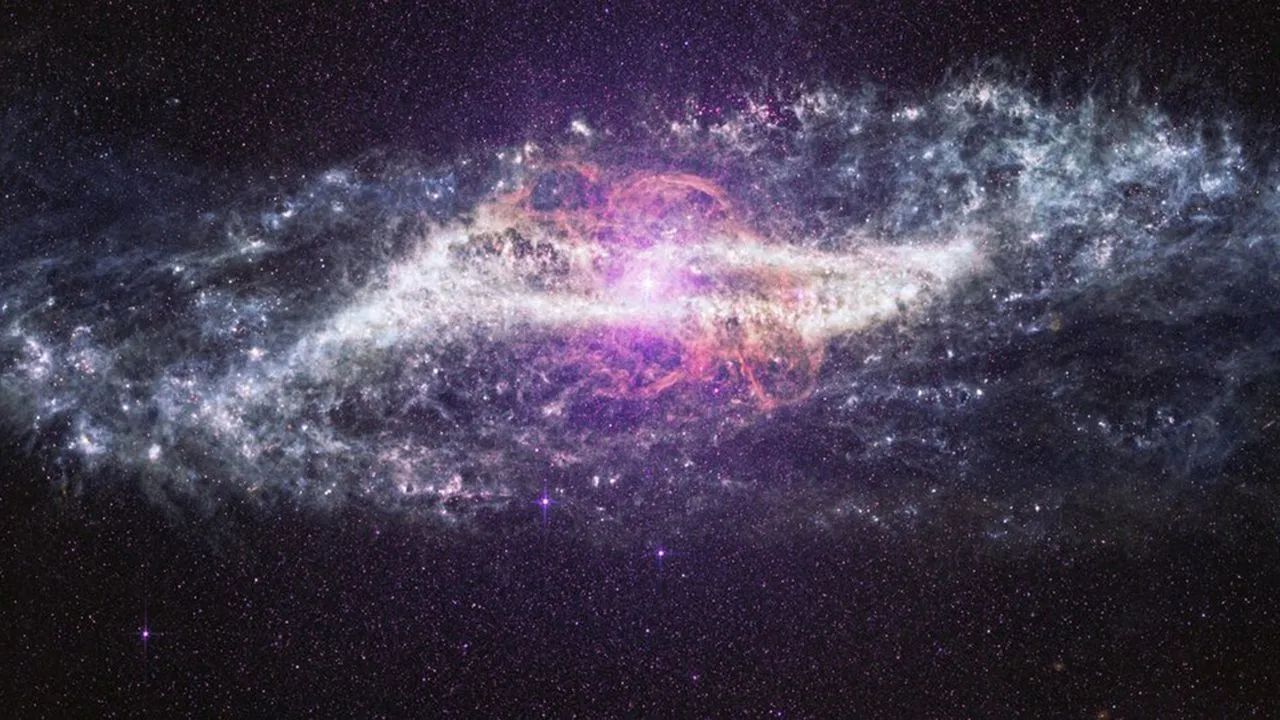
A July 6, 2026 image shows collision wounds, warm dust filaments, and jets shaping star birth.

A single coordinate mistake got caught, fixed, and helped cement gravitational waves as real science instead of forbidden infinities.
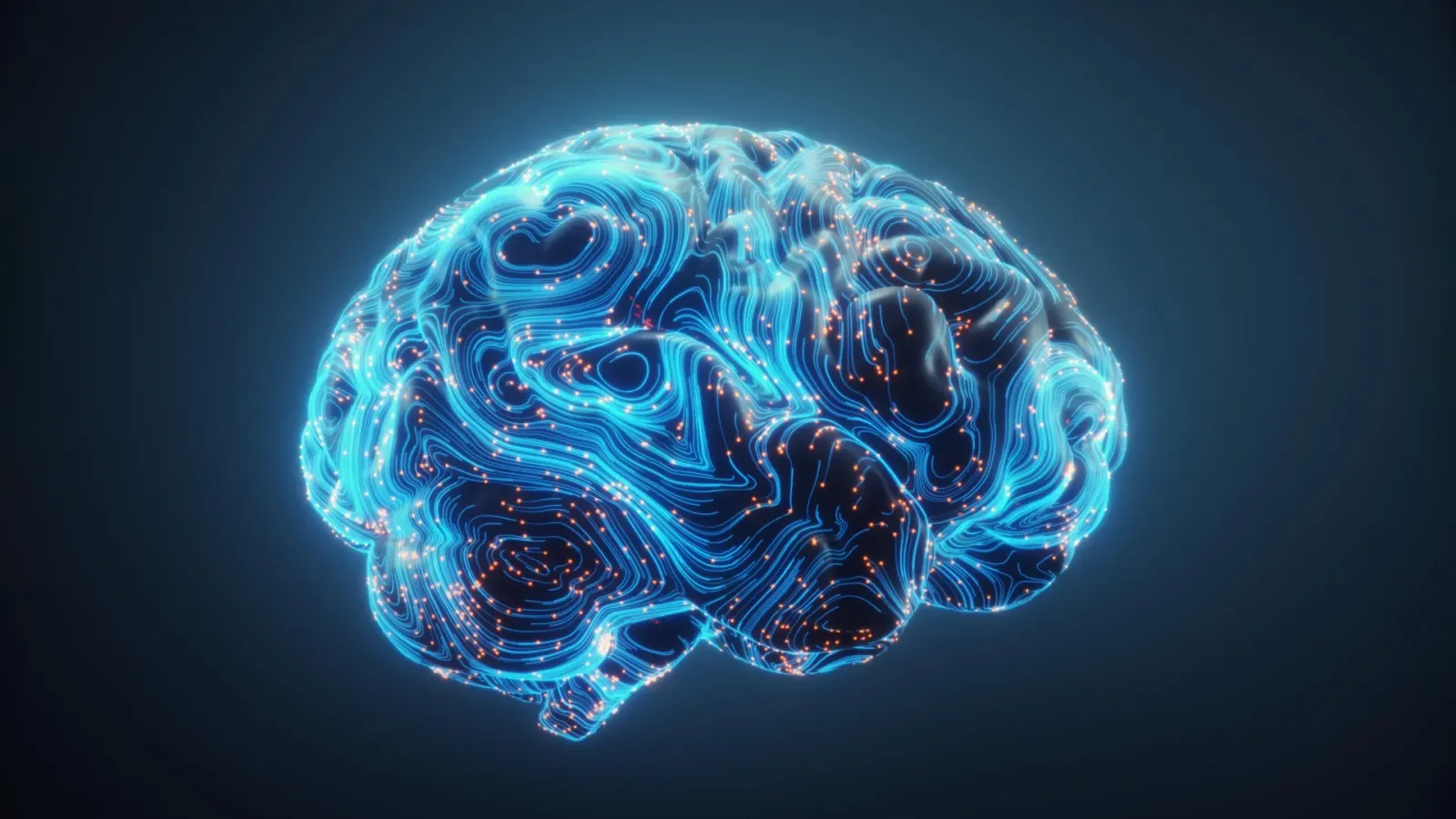
Extensive practice can reroute learned tasks through specialized circuits, improving true multitasking and challenging a core neuroscience assumption.

Zhejiang suspends schools and cancels many transport services, forcing a fast risk response that ripples through supply chains.

A TUM team tests laser-reflector sensing and drone sensor suites to measure gases faster, safer, and more accurately.

New research links serotonin signaling to earlier severe mitral regurgitation in certain patients, with implications for care timing and drug use.

New beekeeper survey data shows 4 straight years above 20% mortality, with stark regional gaps that ripple through food systems.
Life expectancy jumped after 1880. By 1930, Americans expected 20 more years, reshaping budgets, institutions, and priorities.

The 67-million-year-old T. rex auction price is tempting. The research impact could be the real problem.
A new Animal study suggests the welfare fears around virtual fencing may be less about fear and more about motion control.