

Two Milky Way spiral arms are 10% farther, forcing a possible mass and shape rethink
Chandra and XMM-Newton gamma-ray burst echoes suggest the Outer and Scutum-Centaurus arms sit thousands of light-years further out.
By Maha Al-Juhani·· 4 min

Curating from trusted global sources…
Curated from trusted global sources, refined into briefing-grade analysis with executive summaries, insights, and bullet-point takeaways.
Chandra and XMM-Newton gamma-ray burst echoes suggest the Outer and Scutum-Centaurus arms sit thousands of light-years further out.

A new fossil find could rewrite when animals first showed consistent behavioral preferences, with ripple effects for how scientists interpret evolution.
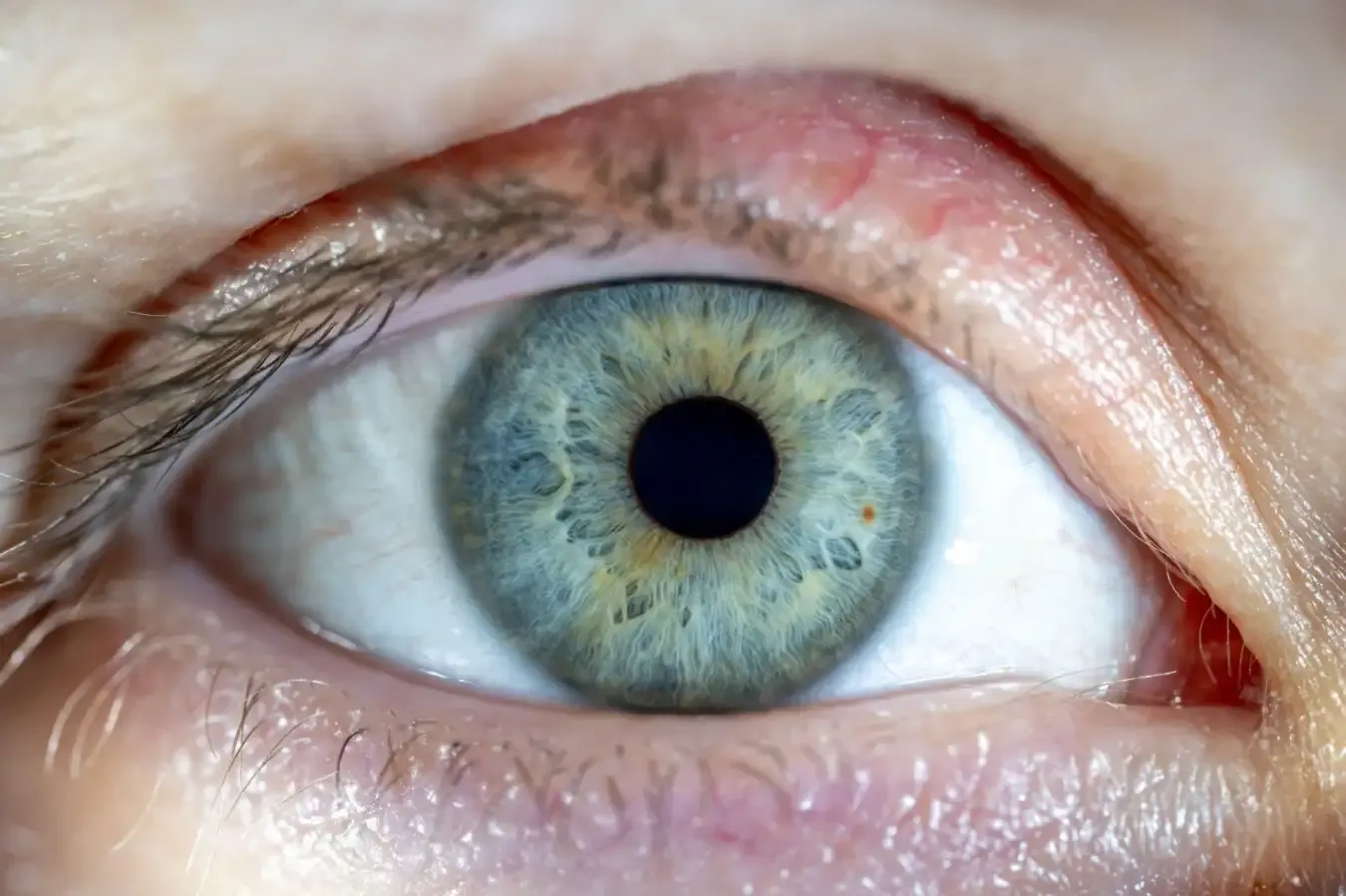
A new study shows light sensitivity can persist for hours postmortem, strengthening the transplant pathway for vision restoration.
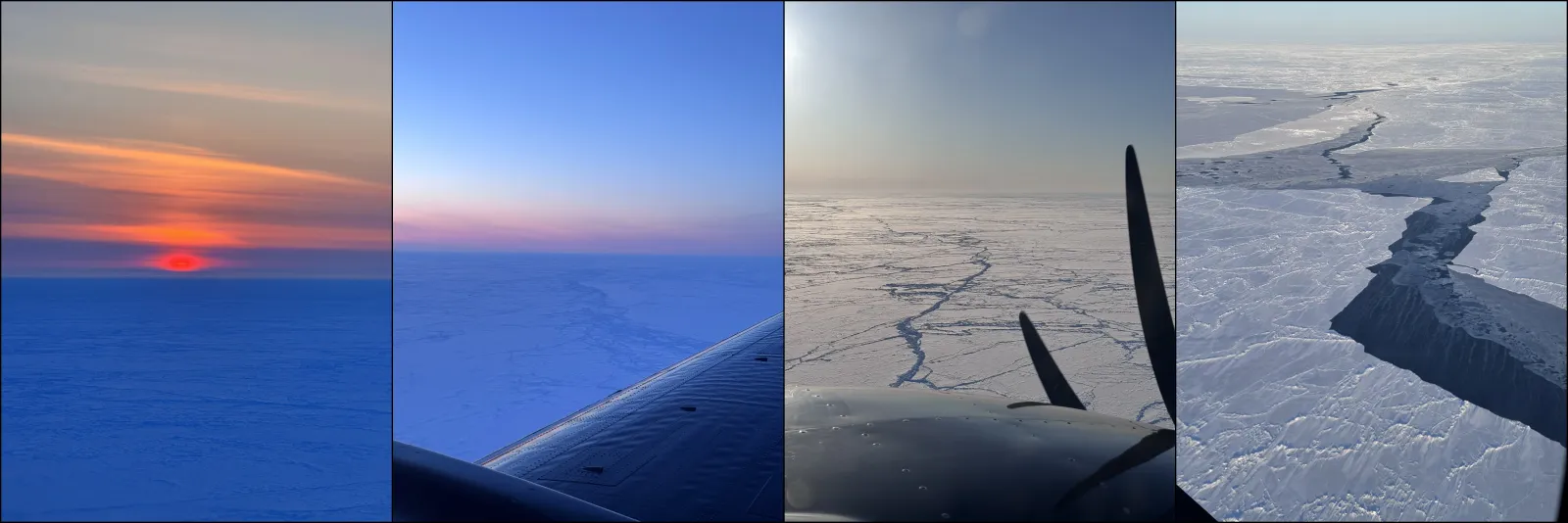
A two-week Canadian campaign timed aircraft and satellites to improve sea-ice thickness measurements that matter for climate, navigation, and future missions.
A 71-year-old opted for right-side inguinal hernia repair. Surgeons found a 26 cm living worm in his abdomen.
The first Quasi-Moon photo from Kamo‘oalewa turns a theoretical target into something mission planners can actually study.

A new paper argues Mars’ ancient clay at Oxia Planum could preserve evidence, and Europe is planning the landing.
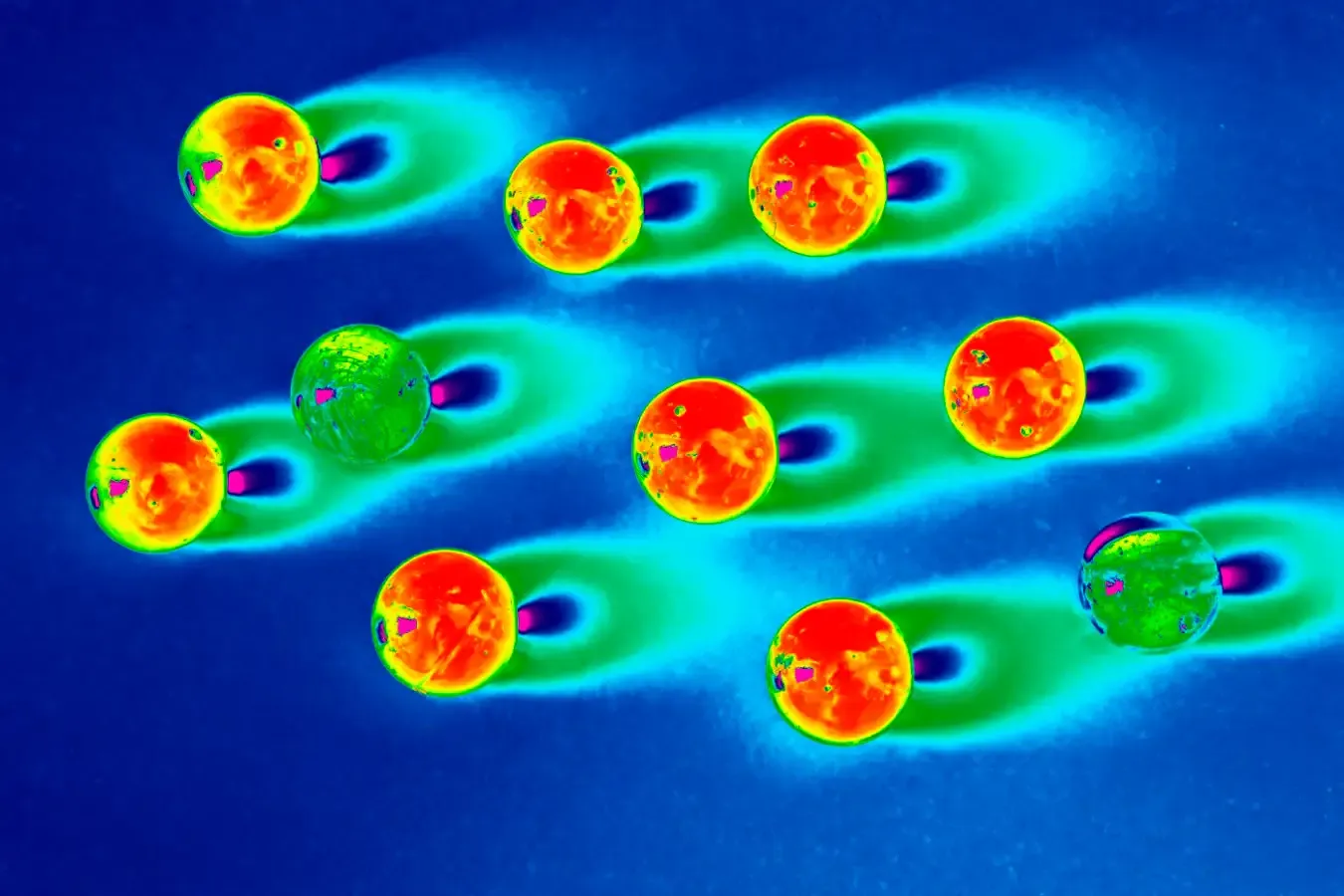
Gauge theory, already used in quantum fields, could give thermodynamics a stronger mathematical backbone for heat and work.
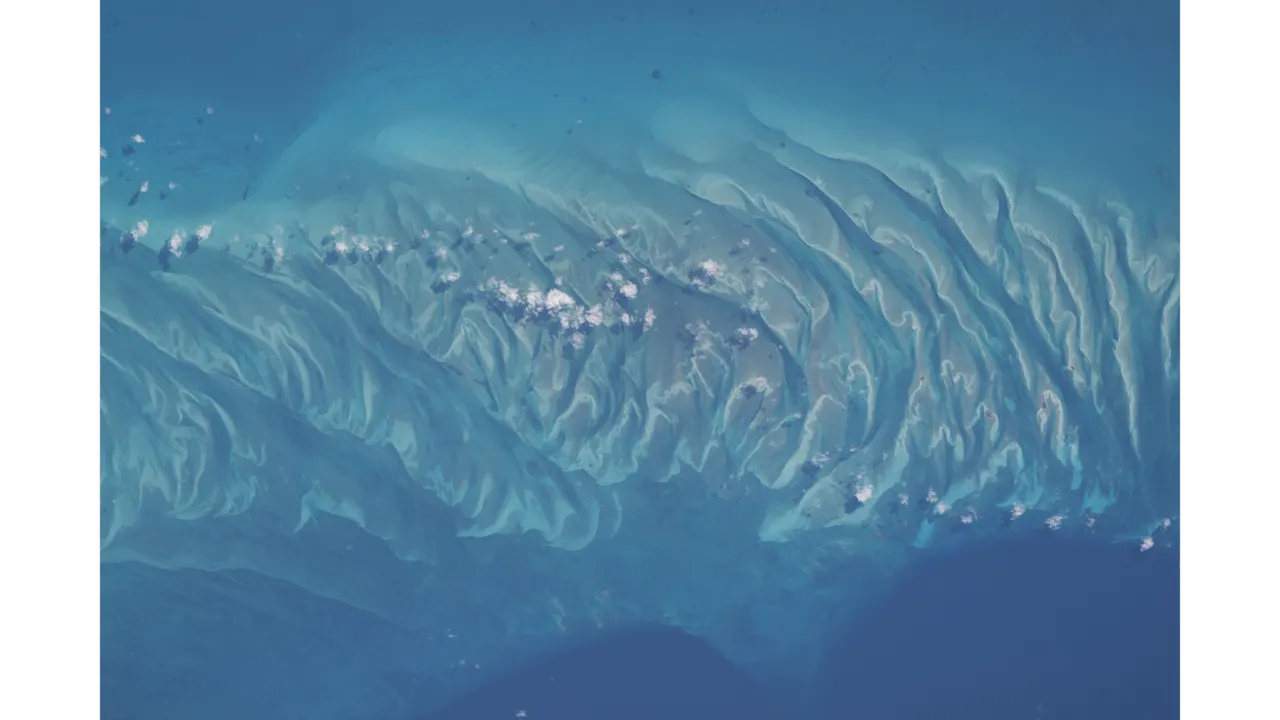
A summertime ISS snapshot turns into a reminder: we can still see beauty and physics clearly, even from space.

Universities in the US and Canada were targeted as credentials were stolen, with Proofpoint tracking the campaign back to May.
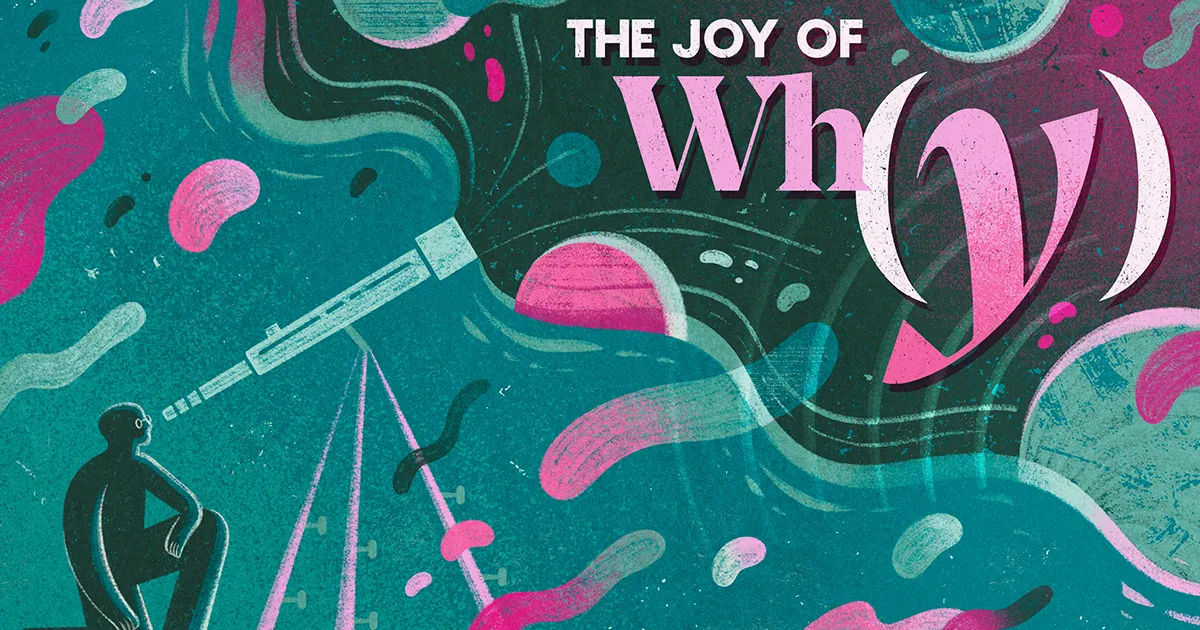
A leading astronomer explains why signals dissolve, and why a more grounded search changes what “rationally possible” means.
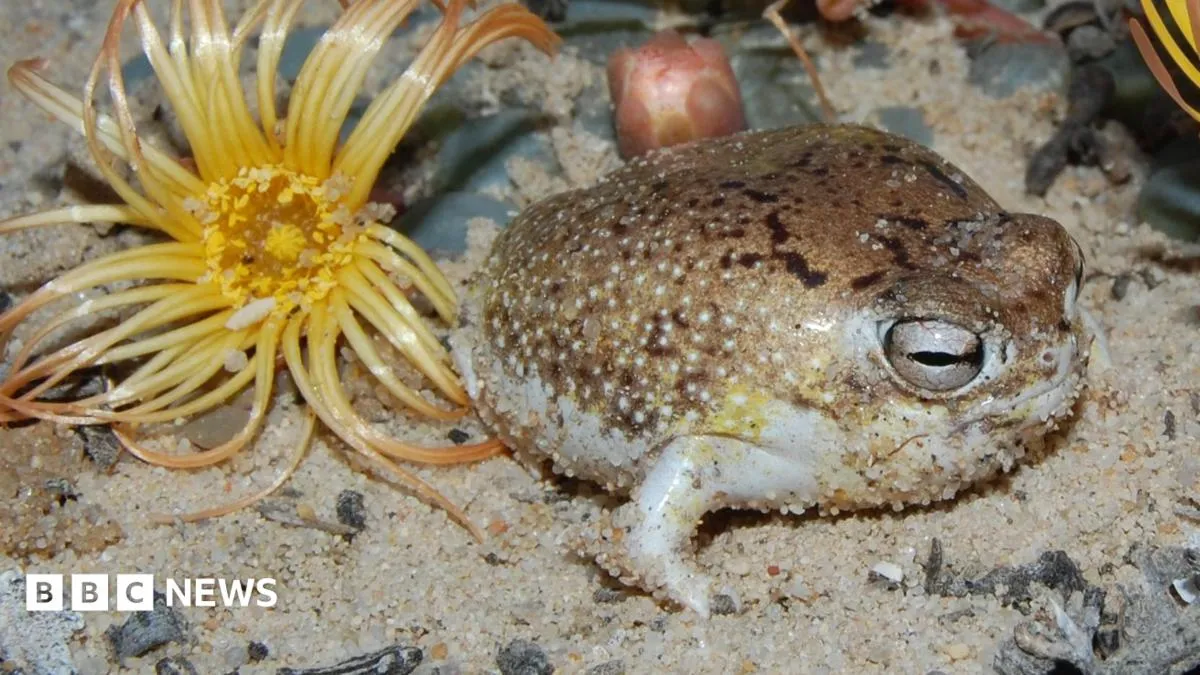
The internet loved the squeaky frog. Now it is officially flagged as at risk, with real policy and funding stakes.