City Labs launches BOHR, a nuclear-powered space micro-satellite, into 350-400 mile orbit
Miami-based City Labs’ Betavoltaic Orbital High-Reliability payload rides SpaceX, signaling the next phase of nuclear power in space.

Curating from trusted global sources…
Curated from trusted global sources, refined into briefing-grade analysis with executive summaries, insights, and bullet-point takeaways.
Miami-based City Labs’ Betavoltaic Orbital High-Reliability payload rides SpaceX, signaling the next phase of nuclear power in space.

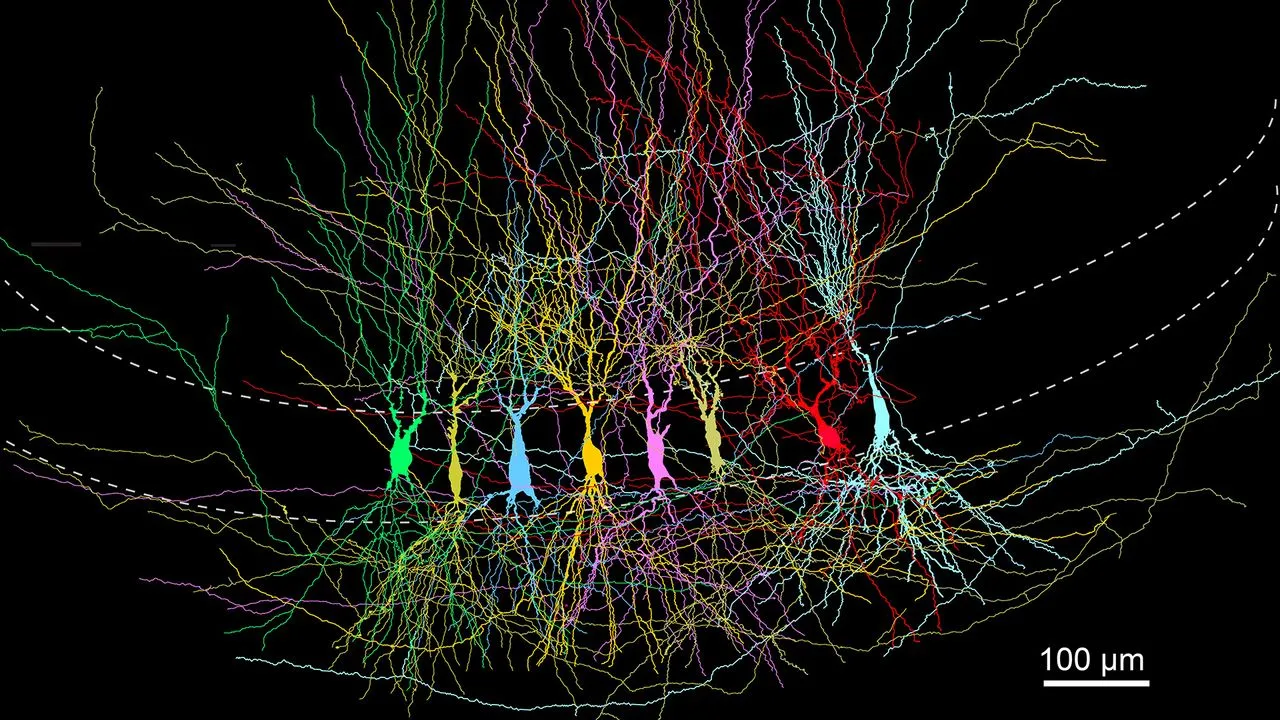
A Nature Communications study in mice links early hippocampal overwiring to fuzzy infant memory, then precision gains with maturity.

A fertility window might be extendable by changing the mechanics of ovaries, not just timing.

Cognitive experiments suggest a more reliable search for reality than “simplest explanation” alone.

China’s first quasi-moon close-up proves the orbit worked. The next step, collecting samples, looks harder than expected.

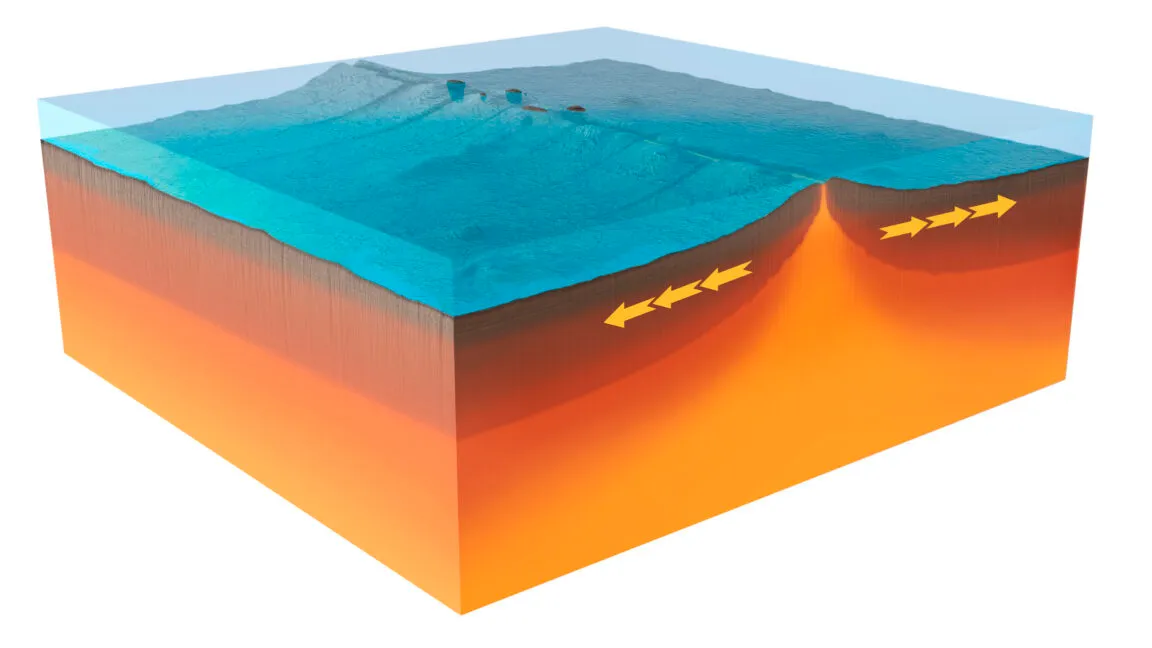
The new remote data suggests most spreading can happen quickly, sometimes without seismic signals, reshaping how we monitor the seafloor.

The WHO’s annual review says cancer outcomes improved, but inequities in prevention, diagnosis, treatment, and care remain persistent.

The Windrush-era musician endured racism in the 1950s, but his oil-drum steelpan orchestra changed UK music anyway.

A rare study used wildlife cameras to watch war impact animals as it unfolded, offering hard data for conservation and policy.

A 5,000-year-old French tomb links a population crash to an unrelated replacement group and shifting social traditions.

A once-daily pill delivers stronger trial results than leading oral semaglutide, with logistics and cost advantages over injections.
A new randomized study undercuts observational claims of cross-protection, reshaping how boards think about vaccine