

Octopuses carry a protein-building quirk that cuts translation errors and blocks toxic buildup
A mutation found in shallow-water species helps explain how octopuses build proteins with fewer mistakes.
By Maha Al-Juhani·· 3 min

Curating from trusted global sources…
Curated from trusted global sources, refined into briefing-grade analysis with executive summaries, insights, and bullet-point takeaways.
A mutation found in shallow-water species helps explain how octopuses build proteins with fewer mistakes.

A new orbital detector concept aims to spot the telltale signal of hidden nuclear devices, with bigger implications for space security.

A systematic in vivo feasibility evaluation maps what works today and what must be solved before any clinical deployment is plausible.

A breakthrough in thermal control points to infrared sensing, energy tech, and light-and-heat memory without constant power.
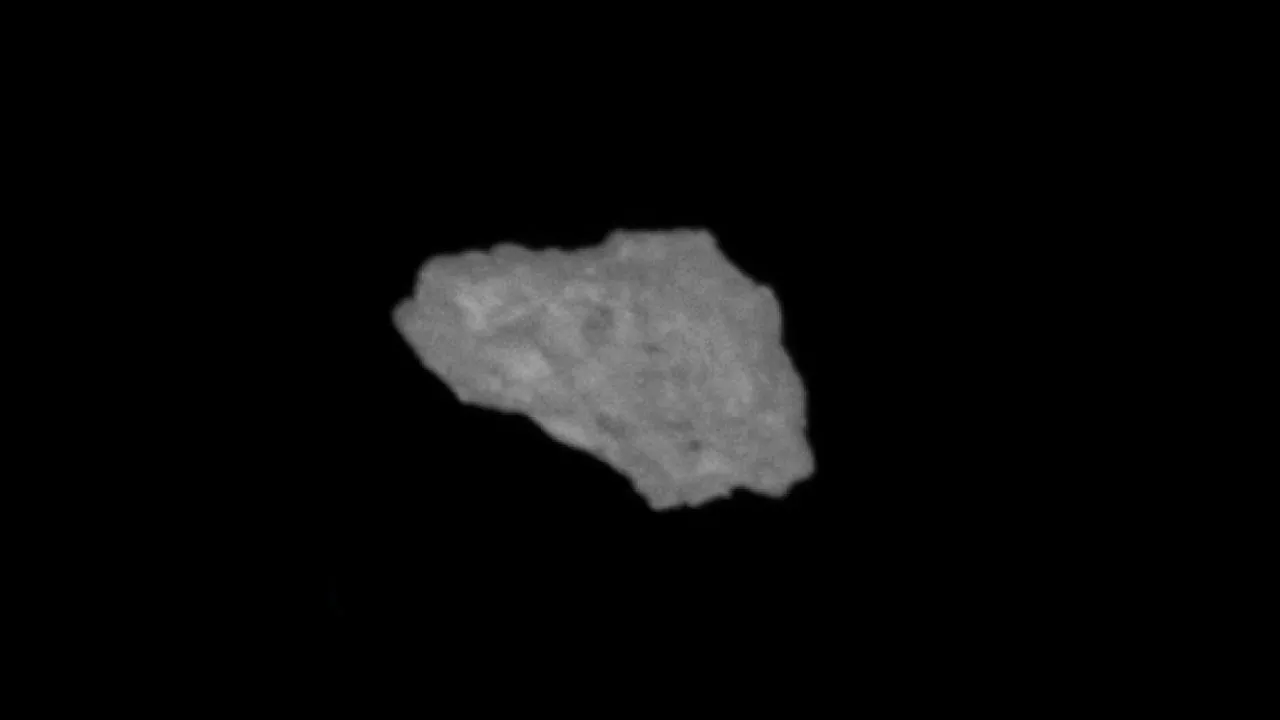
China’s first asteroid sampling mission snaps a July 2 image, then moves toward sample return that could test lunar-origin theories.

A European research team says obesity and diabetes are part of the cause. Boards should treat it as a health-system issue, not a sideshow.
A new study finds a rare upside in melting glacial ice, with direct implications for climate risk models.

NASA’s near-Sun measurements suggest cosmic dust can carry electrostatic charge on plasma waves.
Claude’s internal J-space behaves like global workspace theory, and Anthropic says it’s already improving AI safety monitoring.

Physicists say a subtle signal from GW250114 may encode motion right at the point of no return.
A new line of research argues the quantum world blocks shortcuts even when you only check answers.

Small drafting changes can spread fast, amplify bias, and potentially shift long-run public opinion.