
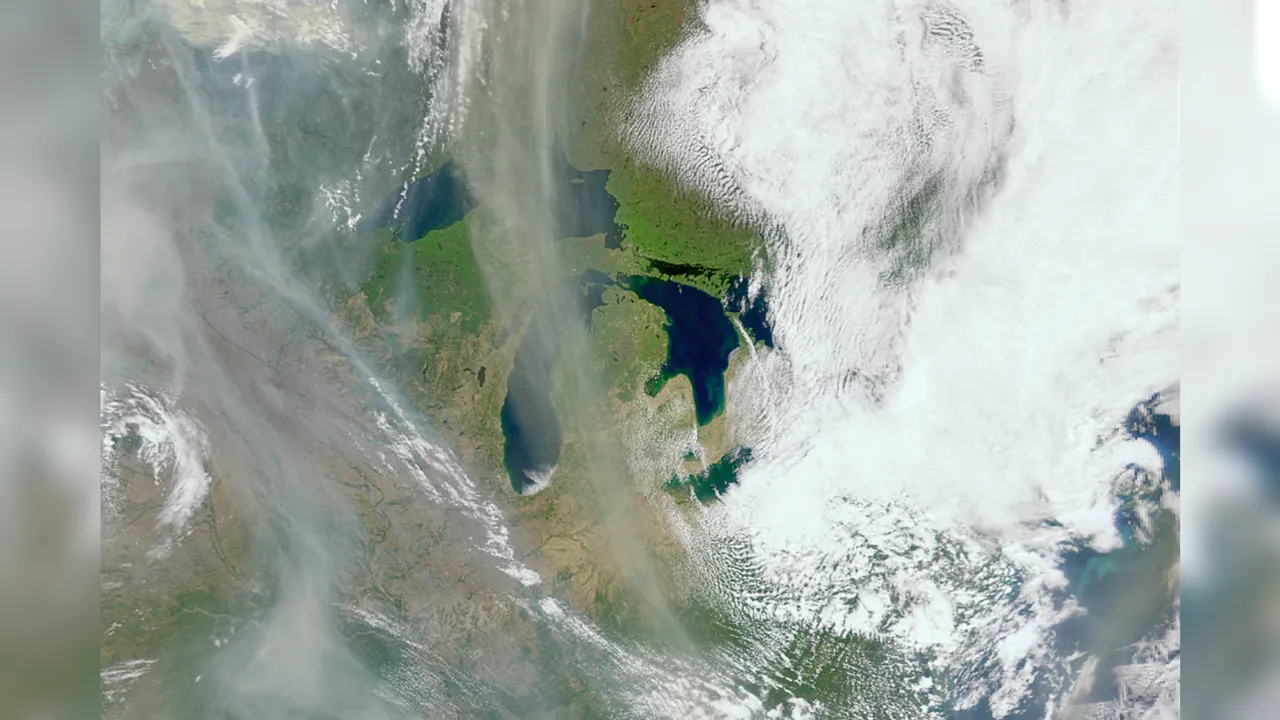
NASA’s PACE ocean satellite catches wildfire smoke, and it spots burn scars too
An ocean-focused hyperspectral mission is turning into a new wildfire intelligence tool, right from space.
By Mohammed Al-Shehri·· 3 min

Curating from trusted global sources…
Curated from trusted global sources, refined into briefing-grade analysis with executive summaries, insights, and bullet-point takeaways.
An ocean-focused hyperspectral mission is turning into a new wildfire intelligence tool, right from space.

New climate modeling extends the biosphere deadline to about 2 billion years, with CO2 and temperature as the battleground.

The UK’s temperature story now forces planners, insurers, and utilities to treat 1865-era baselines as outdated.
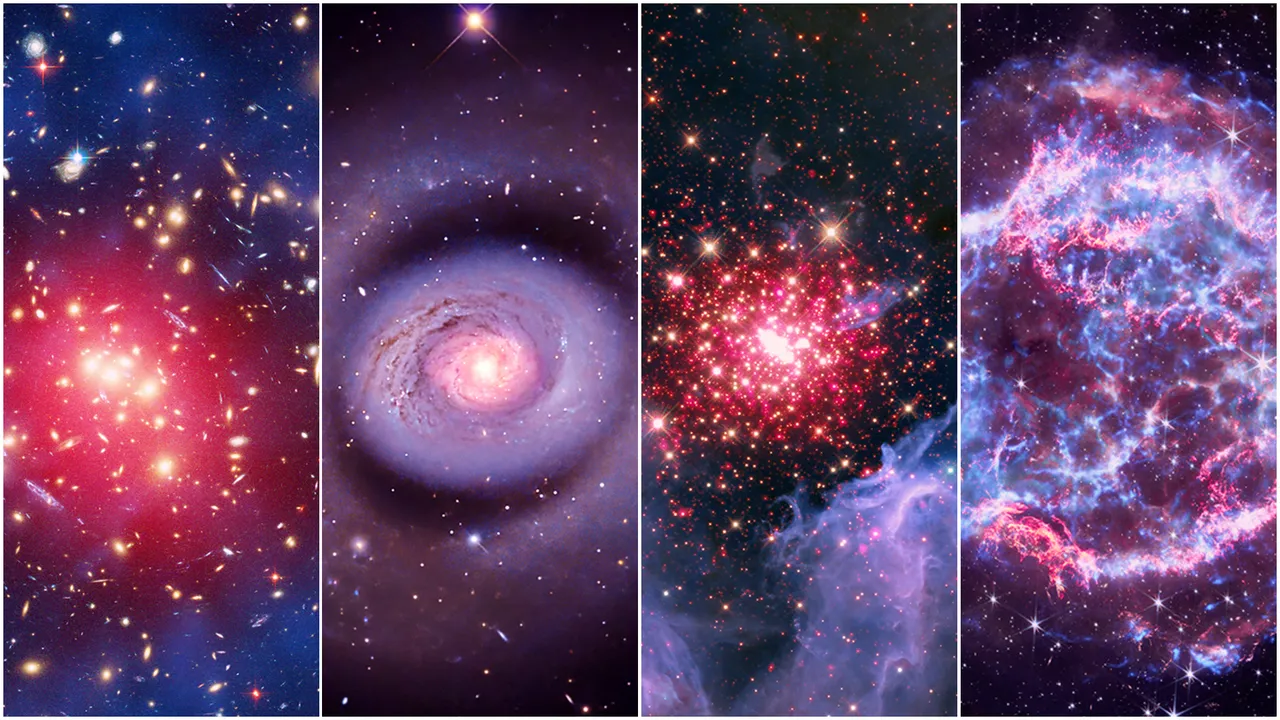
NASA released four Chandra X-ray images plus sonifications, mapping X-ray data into sound for the July 4 anniversary.
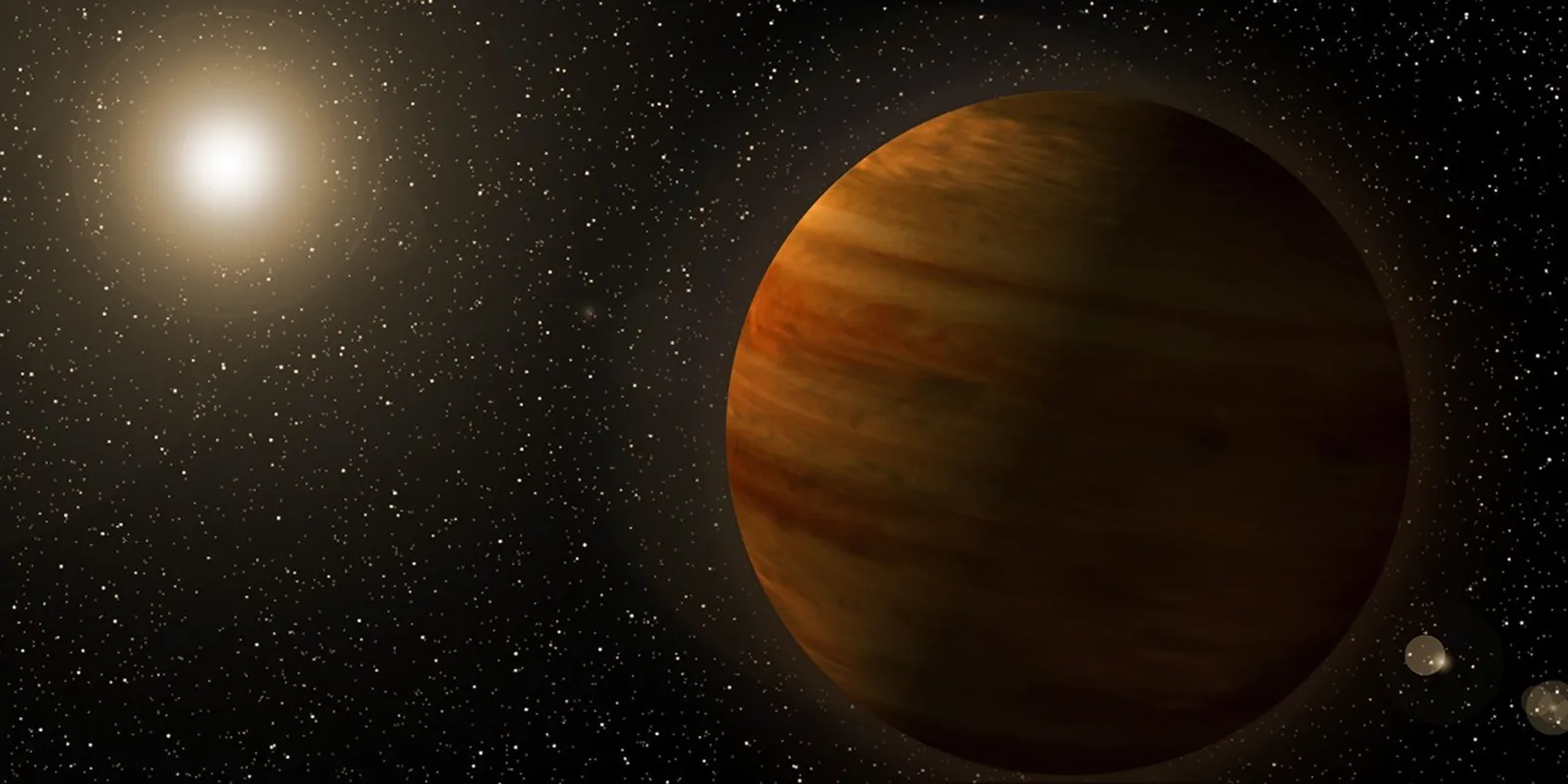
A super-Jupiter at nearly 40,000 light-years forced NASA to search differently in archived TESS data.

Pregnancy acetaminophen fears were repeated publicly. New research again finds no connection, even as usage dipped after warnings.
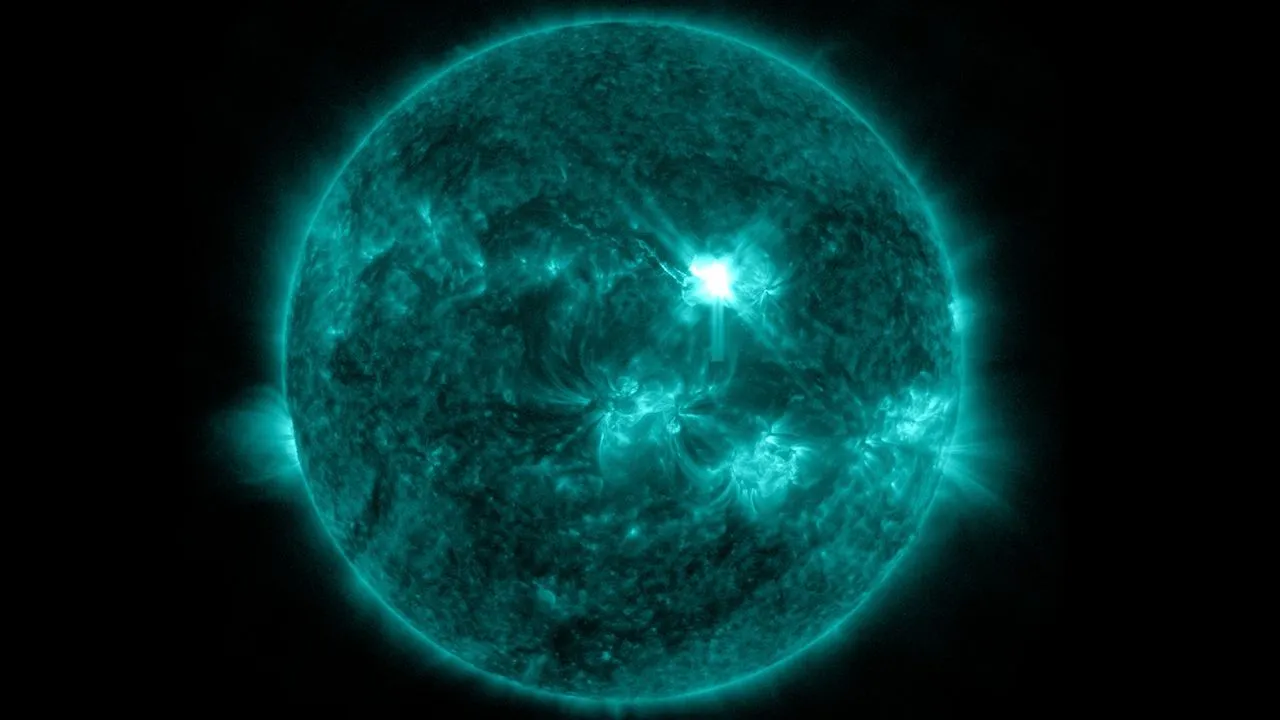
An X1.1 solar flare from AR4479 peaked at 4:50 p.m. EDT, briefly degrading high-frequency radio during daylight hours.

A lab-built “SpudCell” moves from static models toward life-like behavior, raising new questions for regulators and investors.

A new wave of horror and drama puts psychiatrists on the couch, and decision-makers should care about what that signals.
A DNA-backed species split tightens conservation priorities for the world’s most trafficked mammals.
Orbiting “data centers” and sunlight reflectors may add streaks and brightness that complicate telescopes and skywatching.
The new robotic flights aim to keep NASA's lunar surface plans moving despite recent setbacks, starting now.