NISAR’s L-band radar maps Antarctica’s “hummingbird” and exposes stressed ice cracks
The August 2025 image of Nunatak Zaterjavshijsja reveals how an ice obstruction fractures the surrounding surface.

Curating from trusted global sources…
11 briefings · “earth”

The August 2025 image of Nunatak Zaterjavshijsja reveals how an ice obstruction fractures the surrounding surface.

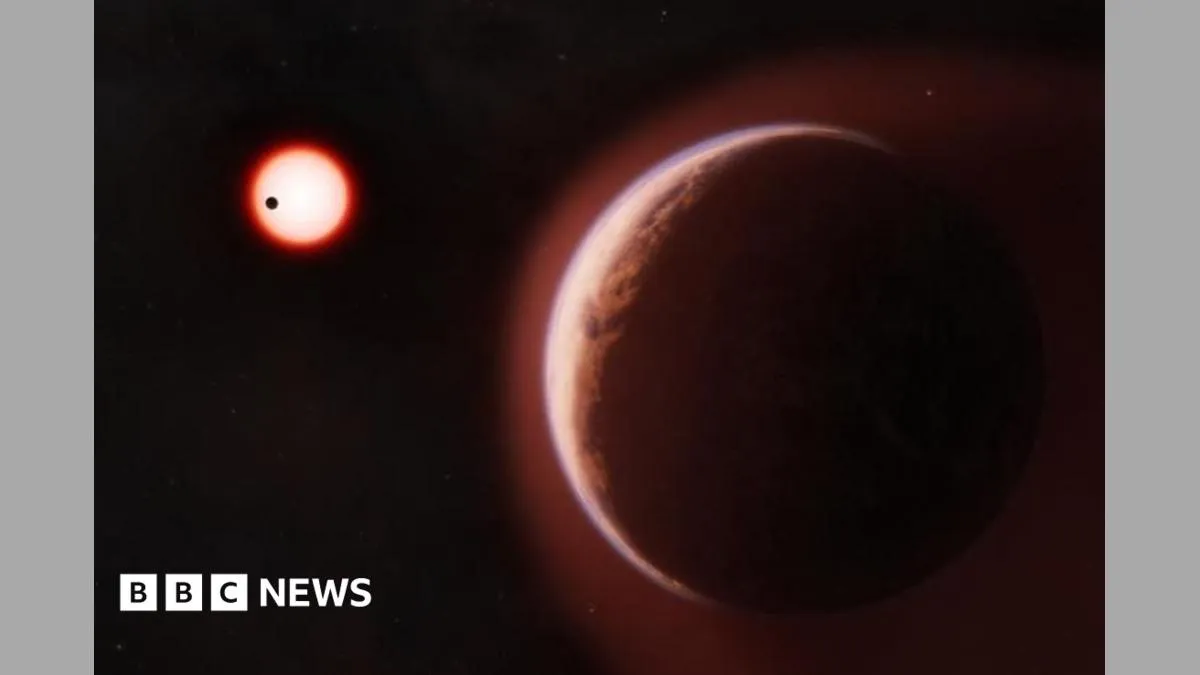
A habitable zone planet needs to be at least ~0.8 Earth radii to hold an atmosphere long enough.
NISAR teams begin continuous access to L-band and S-band products, turning glacier stress into signal-level science.
A compact, multiview particle-detection instrument could turn CubeSats into near-Earth science platforms without sacrificing data quality.

A new nulling interferometer and a 100 km space baseline aim for 10^10 star-planet contrast and surface-feature resolution.

A new approach could expand geothermal beyond lucky regions, changing how investors and regulators underwrite baseload clean power.

The new NASA-STD-3001 requirement ties habitable-air exposure to a 24-hour time-weighted average, with peak spikes handled.
New measurements suggest the planet’s magnetic engine kept running for billions of years, despite cooler-than-expected core estimates.

An amateur’s spotting turned into field evidence, and scientists now need microscopic confirmation before the impact call becomes official.

Middle-earth’s biggest forge scene is coming for Sauron, and the showrunners say it was their hardest technical sequence yet.

A new Earth-like discovery sharpens the roadmap for future telescopes, funding, and standards for what “habitable” really means.