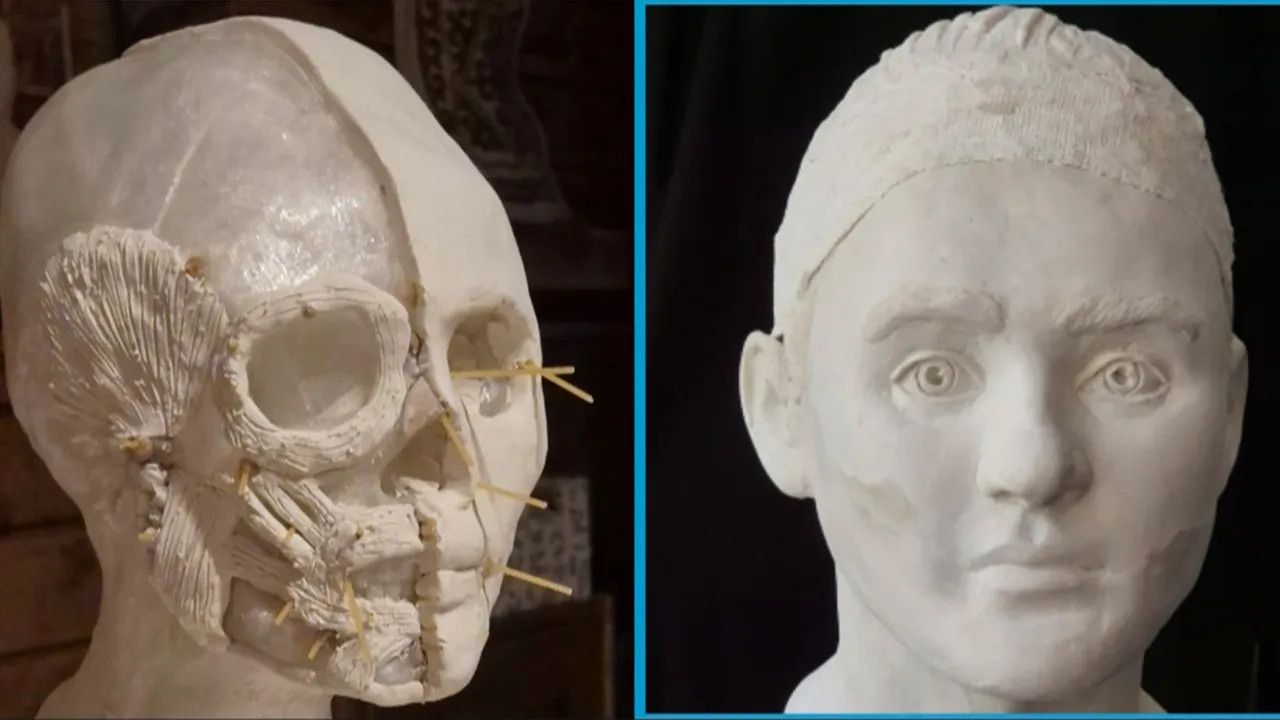
Aquincum museum reconstructs 16 Roman faces with 3D CT, silicone models, and ancient DNA
A new exhibition in Budapest turns skulls into hyperrealistic people, raising questions about what science can and cannot know.
By Abdullah Al-Otaibi·· 4 min

Loading briefings
Pulling the latest in this topic…
Research, space, health, climate, discovery
354 briefings briefings in Science
A new exhibition in Budapest turns skulls into hyperrealistic people, raising questions about what science can and cannot know.
A University of Tartu-led study pinpoints the first time marine animals moved into abandoned mollusk shells.
NASA confirms the spacecraft is in good health and will resume transmitting data with an 8-hour-52-minute delay.
The White House-backed, Energy Department-led AI research push is the biggest federal science overhaul in 80 years.
A transmissible tumor has been found deep in a lake, and the twist is fish, not mammals.
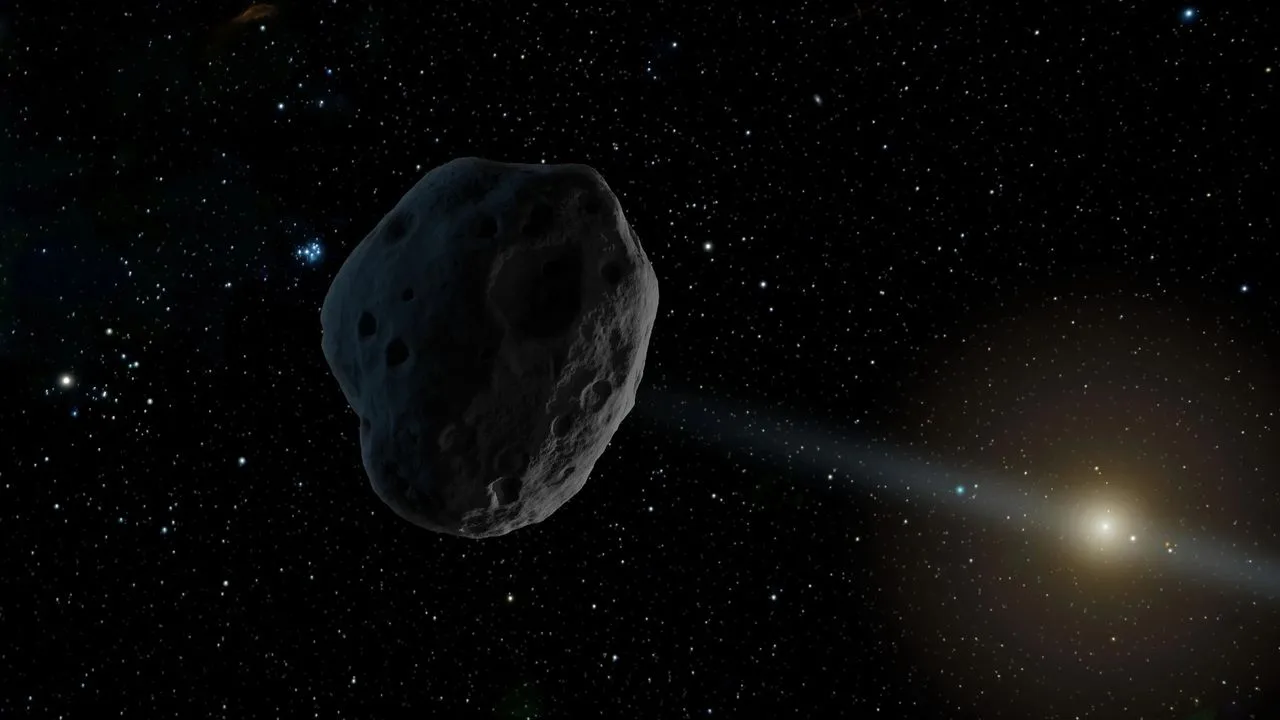
A 2-million-mile radar anomaly and follow-up telescopes reveal hidden outgassing, changing how impact orbits get predicted.
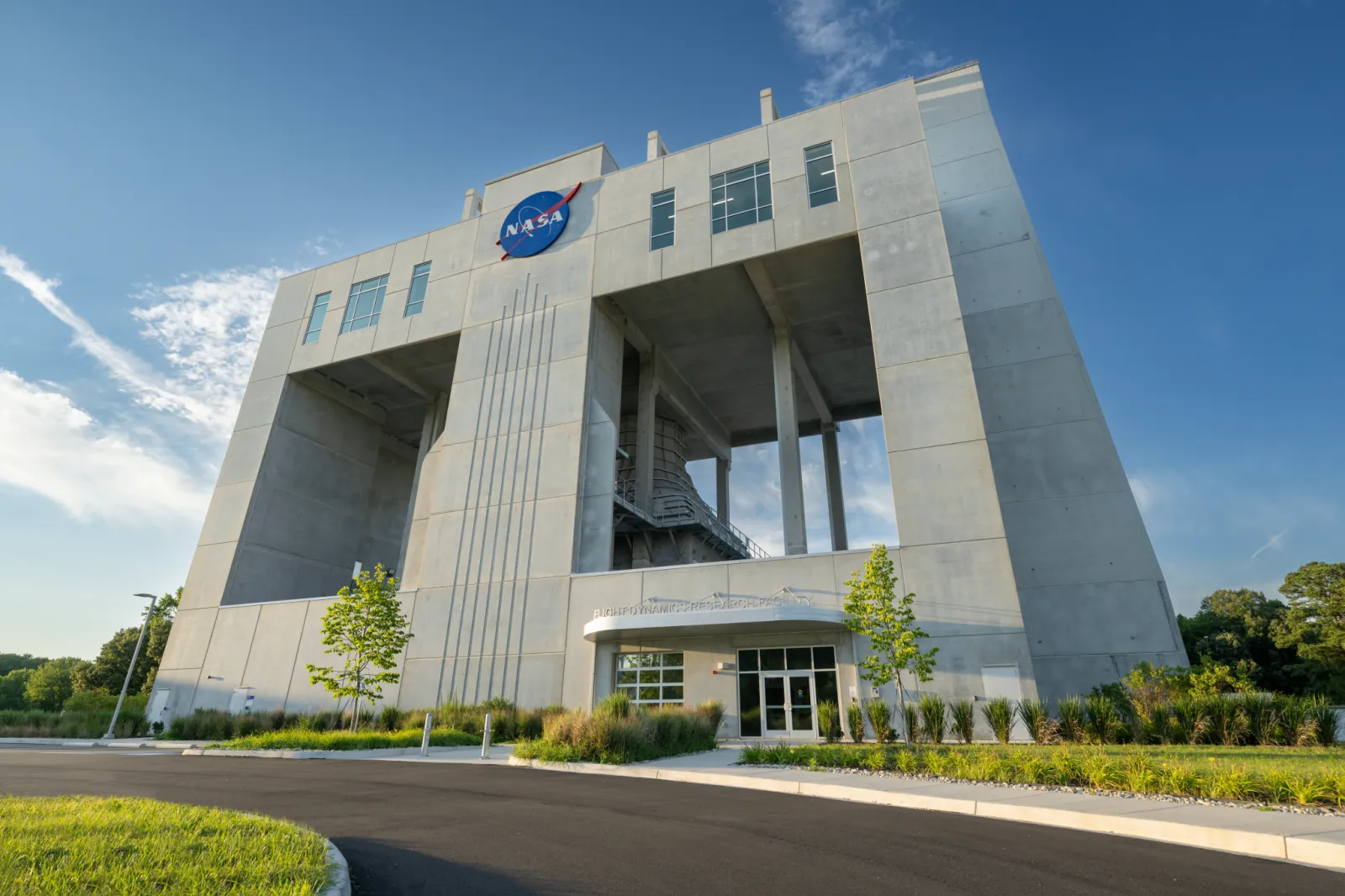
A ribbon-cutting at Langley brings Flight Dynamics Research Facility capacity back to aeronautics testing, with new policy and RSVP rules.
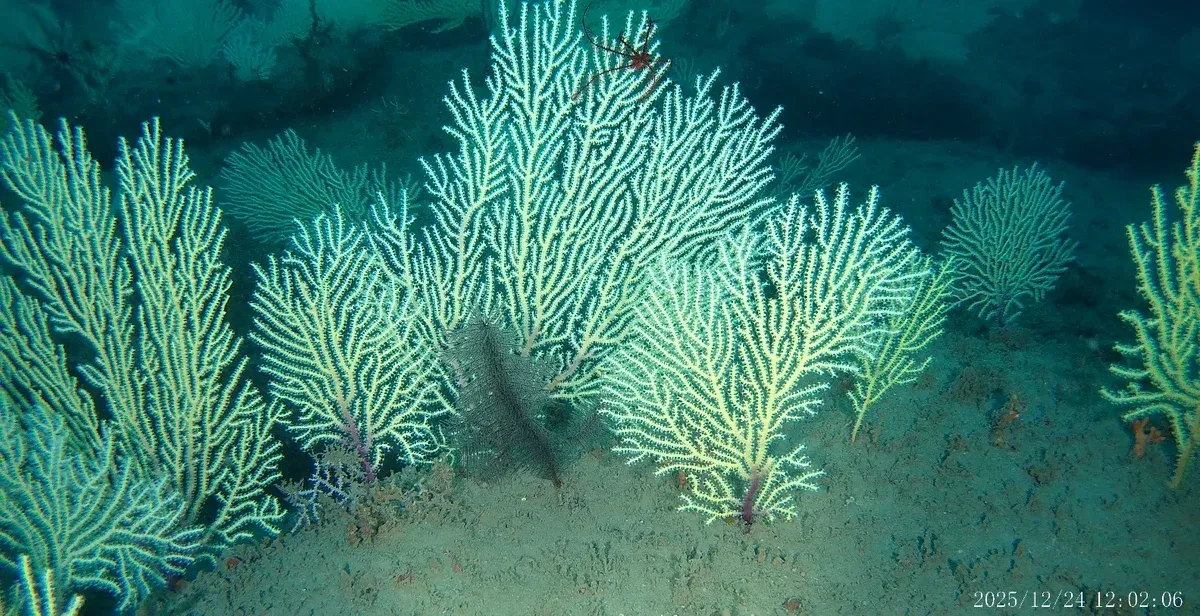
A rediscovery in the Gulf of Guinea is new evidence that coral ecosystems can rebound, even under stress.
A new Cell Host & Microbe study shows how hidden RNA controls help bacteria “pause” under antibiotics and immune pressure.
A fungus from Asia nearly erased the American chestnut. New genetic approaches are now trying to restore it.
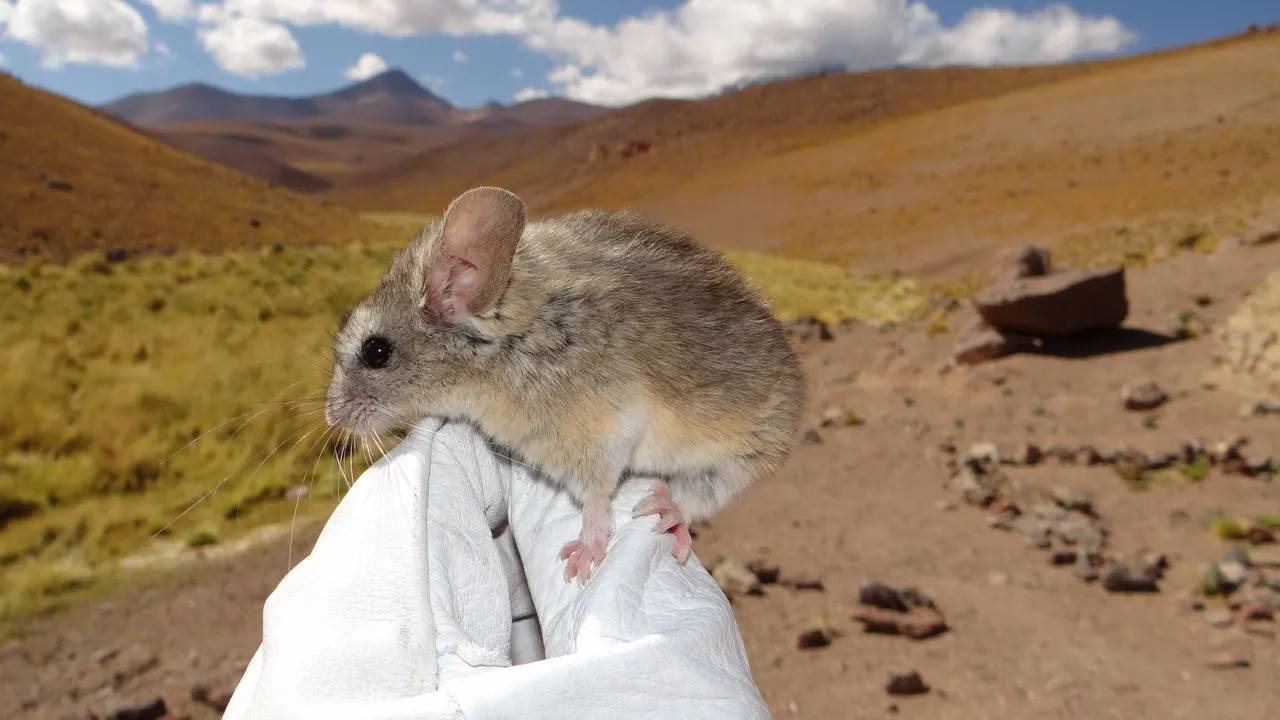
A July 9 Science study maps the genetic and physiological hacks that let Andean leaf-eared mice thrive where humans cannot.
If the math for steel and other metals is off by an order of magnitude, net-zero plans and budgets need an urgent re-check.