WAIC 2026 lets attendees play Black Myth: Wukong with EEG in 5-minute calibration
A non-invasive brain-computer interface uses SSVEP flashing targets to convert intentions into commands, fast enough to game.
By Omar Al-Balawi·· 4 min

Loading briefings
Pulling the latest in this topic…
AI, robotics, computing, technical advancement
810 briefings briefings in Technology
A non-invasive brain-computer interface uses SSVEP flashing targets to convert intentions into commands, fast enough to game.
The platform says some access tokens and internal materials may be affected, and users should act now to limit damage.
Fast-moving Chinese AI models are resetting expectations, raising fresh questions about how much Alphabet and peers can justify.
If your résume screening is AI-first, the unfairness could come from how models “learn” people, not just history.
A new leak surfaces rumored specs for Samsung's next Ultra smartwatch and hints at where the upgrade battle is really heading.
Vinay Perneti and Cat Wu explain why the software around models determines real-world coding results.
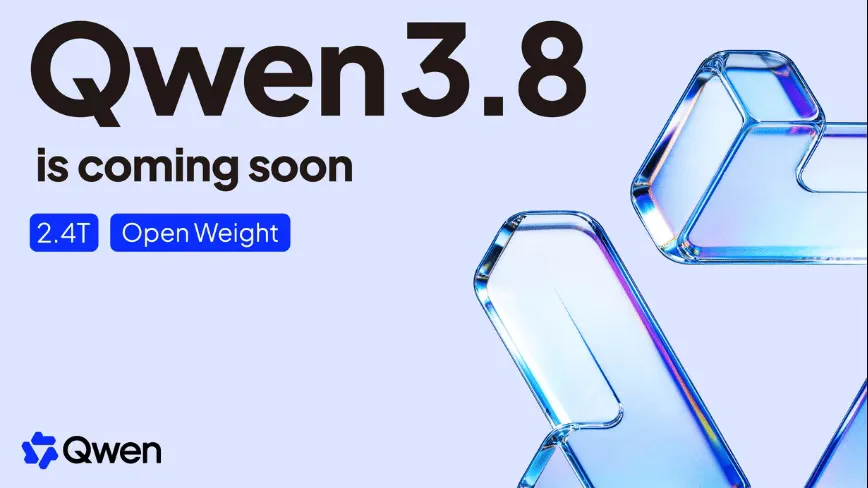
A fresh Qwen preview at Shanghai's AI conference packs a market-moving claim. Here is what it signals, and what it doesn't.
Their launches, including Moonshot's Kimi K3 on Friday, tighten the AI lead that security and industry depends on.
Hiring signals show AI moving from “engineer work” into sales, HR, legal, support, education, healthcare, and even trucking.
A Rest of World look at how AI boosts output for individuals in Istanbul, and what it costs writers, artists, and early engineers.
The U.S. cannot afford complacency, because China is closing the quality gap fast, and regulators will not wait.
Researchers compressed a huge entangled wave function so some quantum calculations run on ordinary hardware, matching theory and quantum simulations.