
Alnylam and Inceptive land up to $2 billion AI RNA deal
The pact could speed RNA drug discovery, showing how AI is becoming a core tool in biotech dealmaking, not just a lab experiment.
Alnylam Pharmaceuticals said on Wednesday it has teamed up with artificial-intelligence biotech Inceptive in a deal worth up to $2 billion to use AI to speed discovery of RNA-based medicines. For executives and investors, it is another signal that AI is moving deeper into drug development economics, where faster discovery can reshape timelines, spending, and competitive advantage.
Alnylam Pharmaceuticals said on Wednesday it has teamed up with artificial-intelligence biotech Inceptive in a deal worth up to $2 billion. The point of the partnership is straightforward and high stakes: use AI to speed up the discovery of RNA-based medicines. In biotech, that matters because discovery time is not just a scientific metric, it is a balance-sheet problem, a strategic moat, and often the difference between being first in a field or spending years chasing it.
The size of the agreement tells you this is not a token experiment. Up to $2 billion is the kind of number that signals both ambition and optionality. Alnylam is buying access to a technology partner it believes can make one of the slowest parts of medicine development move faster. Inceptive, described in the source as an artificial-intelligence biotech, brings the AI layer to a process that has historically depended on long cycles of trial, error, and expensive lab work. The headline here is not that AI is showing up in biotech. It is that a major drug company is willing to attach a potentially very large price tag to the promise that AI can improve how RNA medicines are found.
That matters because RNA-based medicines sit in a corner of biotech where speed and precision are everything. Drug discovery is usually a long game, and the companies that can reduce the number of dead ends, cut iteration time, or improve the odds of finding promising candidates can gain a real advantage. When a company like Alnylam uses a deal structure that can climb to $2 billion, it is effectively saying the upside from better discovery may justify a big payment if the collaboration works. For competitors, that is a reminder that the new battleground is not just the clinic or the sales force, but the engine that produces the next drug candidate in the first place.
There is also a broader capital story hiding inside this announcement. Big biotech deals often do more than fund research, they set market expectations for what kinds of capabilities deserve premium pricing. AI has already moved from buzzword to budget line in many industries, and drug development is now one of the clearest places where that shift is visible. The promise is not magic. It is efficiency. If AI can help companies prioritize better candidates, reduce wasted work, and accelerate discovery, then the economic value can be enormous, especially in a field where delays are costly and failure rates are high. That makes partnerships like this one important beyond the two companies involved, because they help define the market price of AI applied to science.
For boards and executives, the structure of the deal is the real lesson. A headline number like up to $2 billion usually reflects a mix of confidence and contingency, with the full value often depending on performance milestones, development progress, or future success. Even without those details in the source, the size alone suggests the parties are betting on a future in which AI is not a side tool, but a core input into discovery strategy. That has implications for how biotech firms budget, hire, and compete for partnerships. It also affects how investors think about which companies own differentiated discovery platforms and which are merely licensing someone else’s speed.
Reuters describes the broader context around the story as the science and business powering tomorrow's medicine, and this deal fits that frame neatly. The science is the use of AI to help discover RNA-based medicines. The business is the willingness to pay up for a capability that could shorten the road from idea to candidate. For peers across biotech, pharma, and AI infrastructure, the signal is hard to miss. Partnerships are increasingly being used to turn computational promise into commercial leverage, and the companies that can prove real improvement in discovery will be the ones most likely to command the next big checks. In other words, the race is no longer only to invent the drug. It is also to invent the fastest way to find it.
This story's Key Insights and Take-aways are locked.
Create a free account to unlock Executive Actions for one credit.
Register to UnlockAlways free for Executives Club members. Join the Club
More in Business

SpaceX targets $1.75trn IPO as investors question the price
SpaceX wants to raise up to $75bn at $135 a share, but critics say the fixed-price deal may leave buyers overpaying before book building even starts.
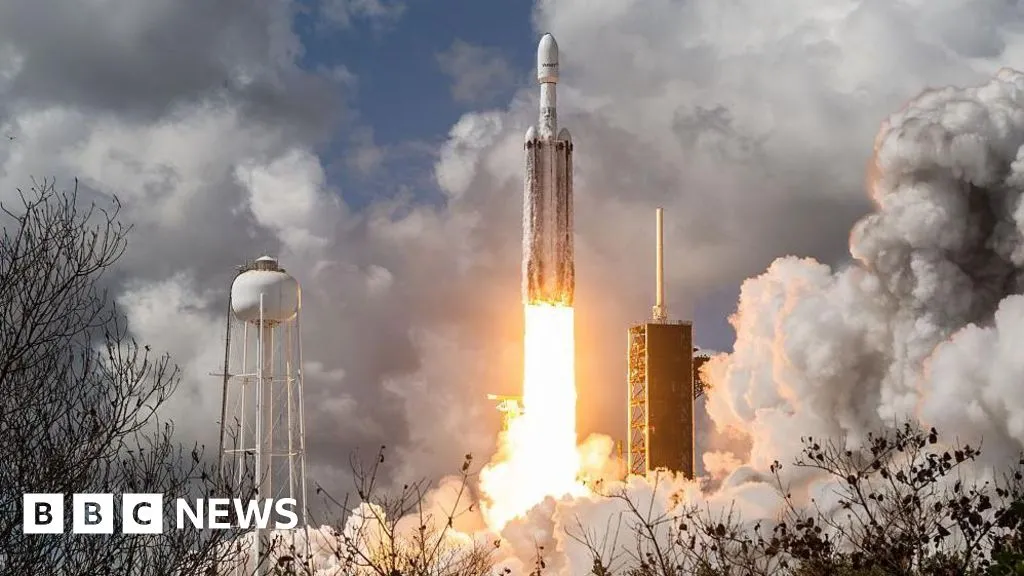
SpaceX sets price for record stock debut earlier than expected
Elon Musk’s company is moving faster toward a market debut that could reset expectations for private space valuations and investor demand.
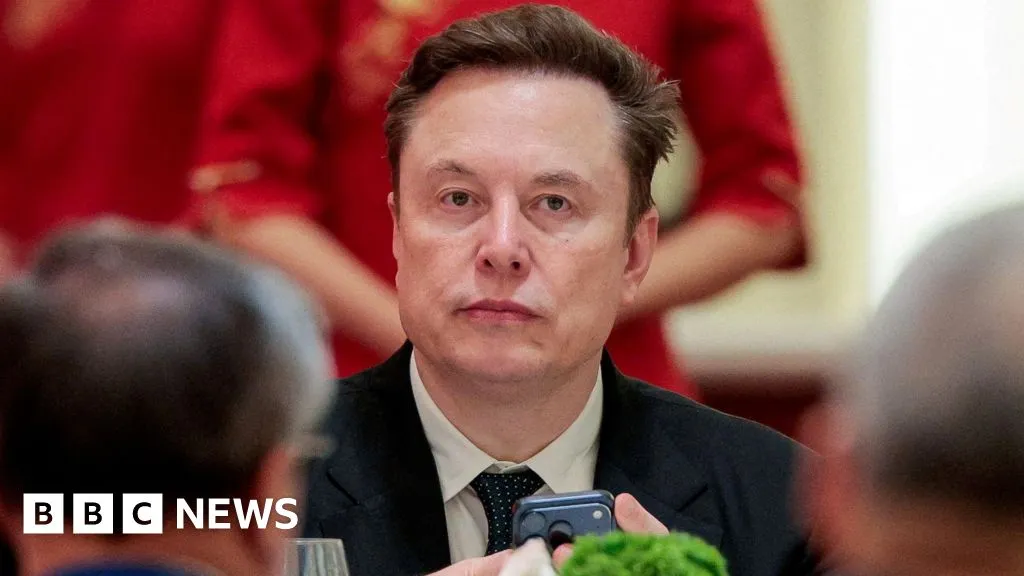
SpaceX says it is worth $1.75tn before its stock market debut
The Elon Musk company set a target price for buyers earlier than expected, putting a giant private valuation in the market’s spotlight.