
Android 17 and Wear OS 7 add multitasking, tighter security, and new parental controls
What Google shipped today changes how devices manage attention, family access, and risk, plus how Gemini lands on phones.
Google has released Android 17 and Wear OS 7 with new multitasking tools, parental controls, and security additions, alongside smartwatch upgrades. The same launch day includes a Pixel Drop that brings Google's latest AI models to its devices, shifting how leaders plan device strategy and safety.
Google has released Android 17 and Wear OS 7, adding new multitasking tools plus parental controls and security upgrades, while also pushing out smartwatch improvements. In parallel, Google ran a Pixel Drop that brings its latest AI models to its devices. If you run product, security, or platform partnerships, this is not just “another OS release.” It is a statement about where Google thinks user time, family controls, and device trust are heading, and how AI features should be distributed once the software base is in place.
The headline change for everyday users is the multitasking layer: Android 17 comes with new multitasking features, and Wear OS 7 follows with smartwatch upgrades that build on that same theme. For decision-makers, that matters because multitasking is where engagement becomes measurable, and where UI choices can either reduce friction or create new surface area for user mistakes. Add parental controls and security tools to the mix, and you get a release that targets both sides of the device lifecycle: the “how do people use it?” question and the “how do you keep it safe?” requirement that gets harder as phones, watches, and accounts become more interconnected.
This is also a timing story. OS upgrades do not just refresh features, they reset expectations across the ecosystem. OEMs, app makers, and enterprise IT teams typically align their roadmaps to platform releases because the underlying APIs and system behaviors determine what is easy, what is possible, and what is risky. When Google introduces parental controls and security tools in a major Android release, it nudges app developers to adjust how they handle permissions, access, and user data. It also gives IT teams an easier story internally: “Here is what the platform now enforces,” which can reduce the cost of building custom controls from scratch.
For Wear OS 7, the smartwatch upgrades matter for a different reason: wearables are not just extensions of phones, they are separate devices with separate trust problems. Battery constraints, screen size, and sensor-driven behavior can make user experience improvements visible, but they can also create new security and privacy considerations. Google pairing smartwatch upgrades with the broader Android 17 release suggests a coordinated plan: keep the platform logic consistent across devices, while improving the most common smartwatch workflows. From a governance standpoint, that can also influence how companies think about account linking, family device setups, and policy enforcement across phone and watch.
Then there is the Pixel Drop, which brings Google's latest AI models to its devices. The “second-order” implication here is distribution strategy. OS releases are the foundation; Pixel Drop is the delivery mechanism for capabilities that depend on that foundation. Leaders should assume that AI features will be staged in the same way: ship the platform capabilities, then roll out models and experiences that ride on top. That sequencing can shape competitive dynamics across Android devices, because it sets a baseline for what users will expect from other phones once AI becomes a default feature rather than a novelty.
Regulatory and compliance pressure has been a constant backdrop for mobile platforms, especially around privacy, data handling, and user choice. While this release description does not cite specific regulatory actions, the direction is clear: parental controls and security tools are precisely the kind of features regulators and consumer advocates tend to care about because they relate to who can access what, under what conditions, and with what safeguards. In other words, Google is putting more policy-like controls into the operating system itself, instead of leaving the heavy lifting to users, app settings, or third-party tools.
For executives planning product roadmaps, partnerships, or enterprise deployment, the strategic stakes are straightforward. Android 17 and Wear OS 7 set new defaults for multitasking behavior, family accessibility, and security posture. The Pixel Drop adds a new lever for AI availability and experience expectations. If you are building or integrating experiences on Android and Wear, you will likely need to validate how your app or service behaves under the new multitasking flows, how it fits within the expanded parental control model, and how it responds to new security expectations. And if you are on the buy-side, the decision becomes operational: upgrade timing affects user experience, compliance alignment, and the pace at which AI-enabled features can be rolled out to real users.
This story's Key Insights and Take-aways are locked.
Create a free account to unlock Executive Actions for one credit.
Register to UnlockAlways free for Executives Club members. Join the Club
More in Technology

Nvidia's $89B data center quarter: the 9 companies cashing in
The AI buildout is minting fortunes beyond GPUs, and memory, cloud, and cooling suppliers are riding the same wave.
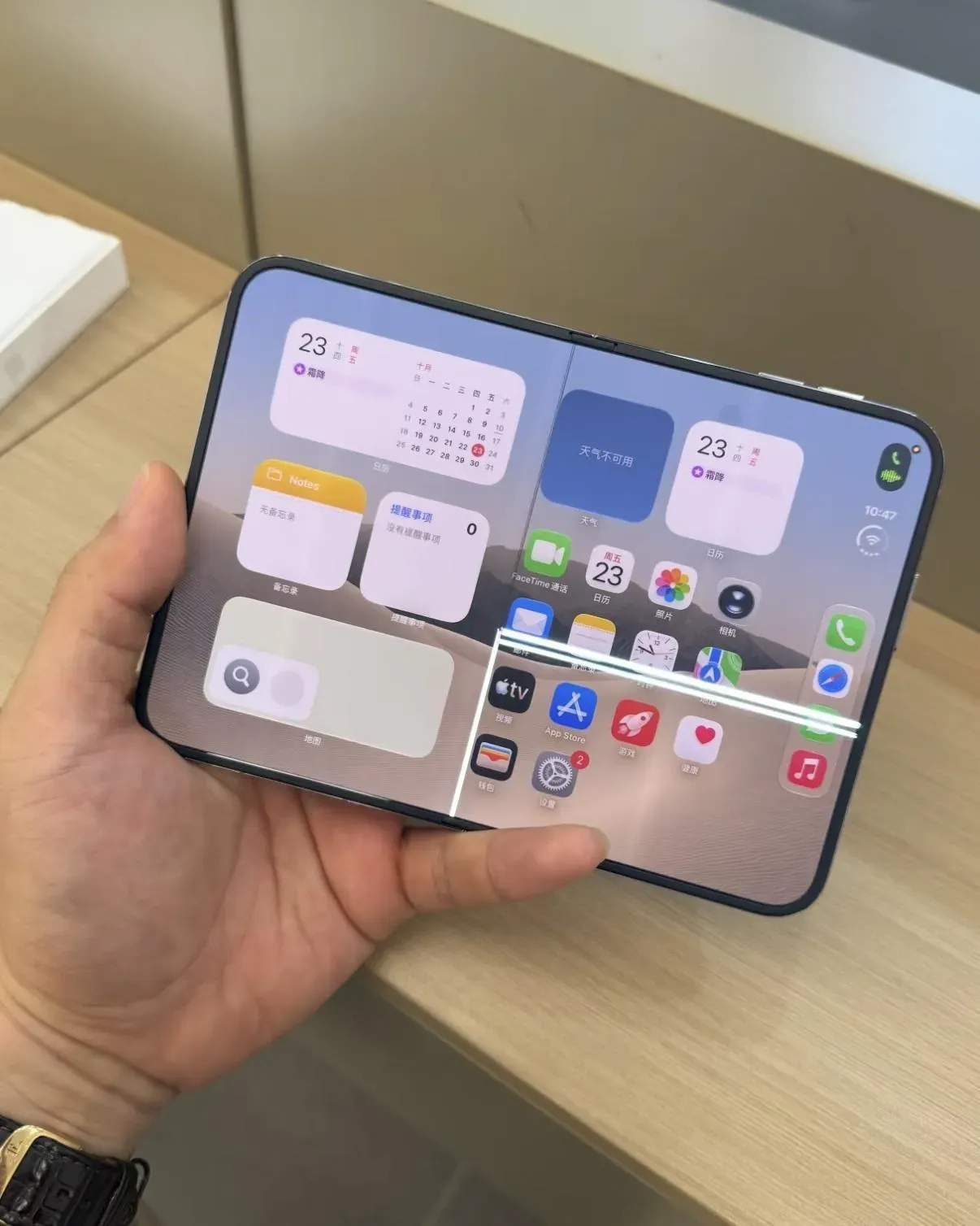
A YouTuber dissected the iPhone Duo and thinks he found crackgate's cause
CuriousHagi's teardown of Apple's foldable reveals a gear-like hinge that may explain why screens crack in the same spot within hours.

Google quietly links your phone number to every Android account on your SIM
Adding a SIM now ties your phone number to all Google accounts - and future accounts inherit it. Here's the security and privacy stakes.