
Wear OS 7 brings Live Updates to Pixel Watch 2, 3, 4, plus up to 10% battery
Google’s rollout today adds synced live event notifications across watch and phone, with a battery bump and later Gemini features.
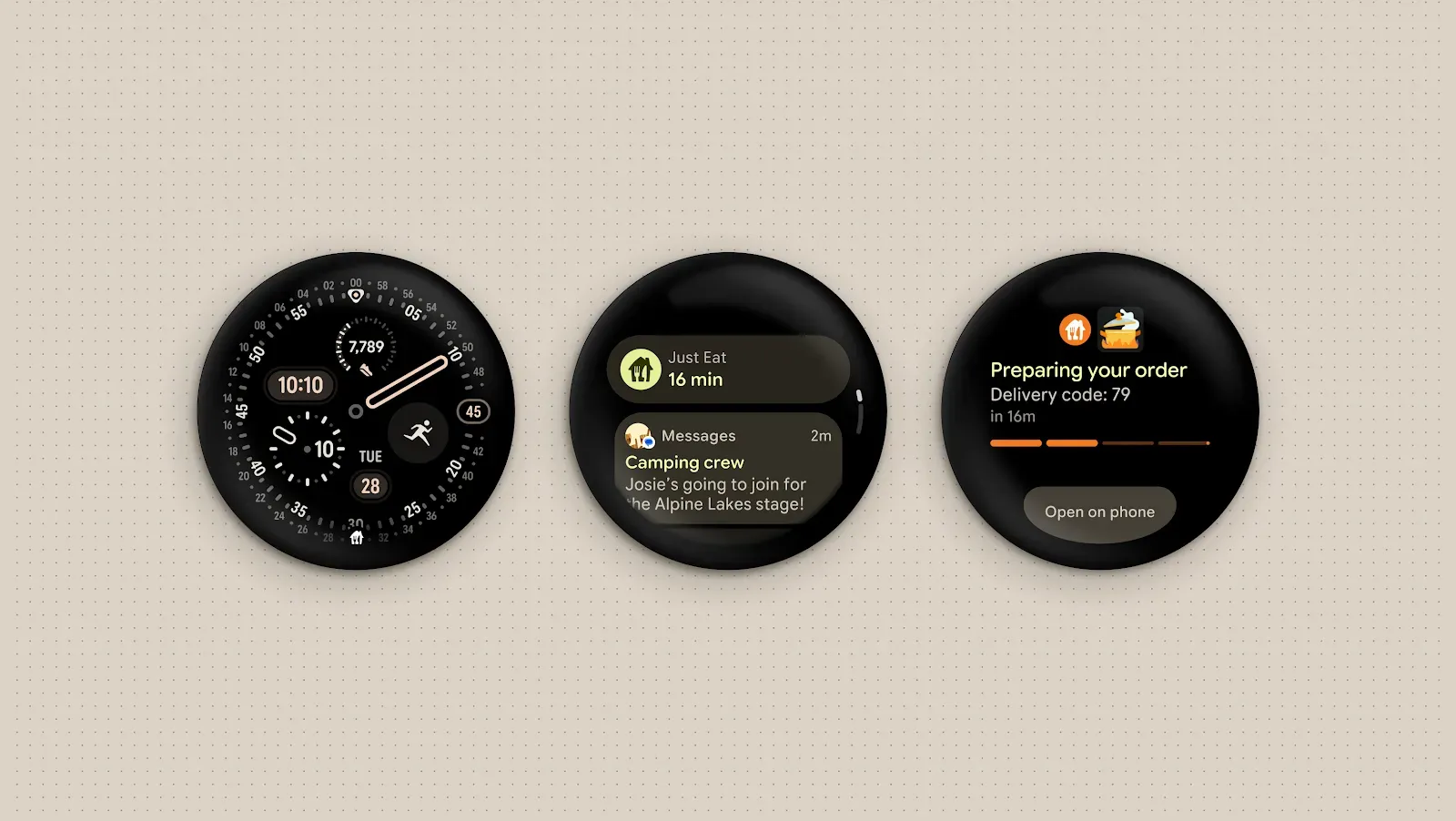
Google is rolling out Wear OS 7 starting today for Pixel Watch 2, 3, and 4, including a new Live Updates feature. For decision-makers, it signals how smartwatch platforms are competing on real-time utility and staying power, not just dashboards.
Google is rolling out Wear OS 7 today for Pixel Watch 2, Pixel Watch 3, and Pixel Watch 4. The centerpiece is Live Updates, which is designed to track live events on your Android smartwatch and then sync those updates with your Wear OS devices, so you see the same “in progress” moments on both your watch and your phone.
The practical stakes are immediate: Live Updates are meant to take things that are currently fragmented across devices and make them feel continuous. Google’s examples are sports scores and an ongoing meal delivery. Instead of you checking one screen and then another, the update stream is intended to carry forward where it matters, and it shows up on both the watch and the phone.
If you are running product teams, partnerships, or app strategies around wearables, the “live event” shift is not cosmetic. Wear OS has historically been judged on the basics like notifications, watch faces, and fitness tracking. Live Updates tries to move the conversation closer to mission-critical moments: the kind of information where latency and consistency change the experience. A sports score that appears on the watch but does not reliably “match” on the phone is fine once. A meal delivery that leaves you guessing mid-order is not. Live Updates is Google answering that gap with synchronization as the feature.
There is also a second carrot sitting next to the feature: battery life. Google claims Wear OS 7 offers up to 10 percent more battery life than Wear OS 6, and you might notice your watch lasting a little longer. For an operating-system upgrade, battery is the credibility test. Everyone can add features. Fewer can add features without making people charge more often. By leading with a specific battery improvement claim, Google is effectively saying Live Updates does not come with a silent power tax.
That battery claim matters because it intersects with how wearables users actually behave. Smartwatches are disposable in attention, but not in friction. If an update makes charging more frequent, users can react by turning down usage across the board. If it extends time between charges, users often keep the watch on-the-go more, and that increases the surface area where Live Updates can show up. In other words, the feature and the battery claim are bundled incentives: use the watch more, and expect it to work through the day.
Looking beyond the immediate rollout, Wear OS 7 also introduces new Gemini Intelligence features. But Google says those Gemini Intelligence features are not launching until “later this year.” That timing detail is important for anyone building around platform roadmaps. It means the initial version of Wear OS 7 is primarily about user-visible utility (Live Updates and battery), while the AI layer is staged for later delivery.
For partners, app developers, and platform-adjacent businesses, this split changes the planning calendar. The Live Updates capability arrives today for Pixel Watch 2, 3, and 4 users, meaning engagement changes could show up quickly in real-world usage. The Gemini Intelligence additions are farther out, so the near-term differentiator is likely the experience of synchronization and how live event data flows between watch and phone.
There is also a broader industry subtext hiding in plain sight. Wear OS is trying to compete not only for “who has the best widgets,” but for “who can make the watch a live companion.” That direction matters because it nudges wearables toward being an interface for ongoing events, not just alerts. And once a platform normalizes that expectation, competitors and regulators do not just evaluate features. They evaluate data flows, synchronization behavior, and how consistently the platform delivers those real-time experiences across devices.
So for executives tracking the smartwatch ecosystem, the move is strategically clear: Google is rolling out a feature that makes live moments portable across watch and phone, and it is pairing that with a measurable battery improvement claim. In the short term, Live Updates can shift user trust toward Wear OS as a “kept up” system. In the medium term, the “later this year” Gemini Intelligence roadmap suggests the platform is positioning itself to add intelligence once users already accept the baseline experience. The platform that keeps both the timing and the battery promise wins the next adoption cycle.
This story's Key Insights and Take-aways are locked.
Create a free account to unlock Executive Actions for one credit.
Register to UnlockAlways free for Executives Club members. Join the Club
More in Technology

Nvidia's $89B data center quarter: the 9 companies cashing in
The AI buildout is minting fortunes beyond GPUs, and memory, cloud, and cooling suppliers are riding the same wave.
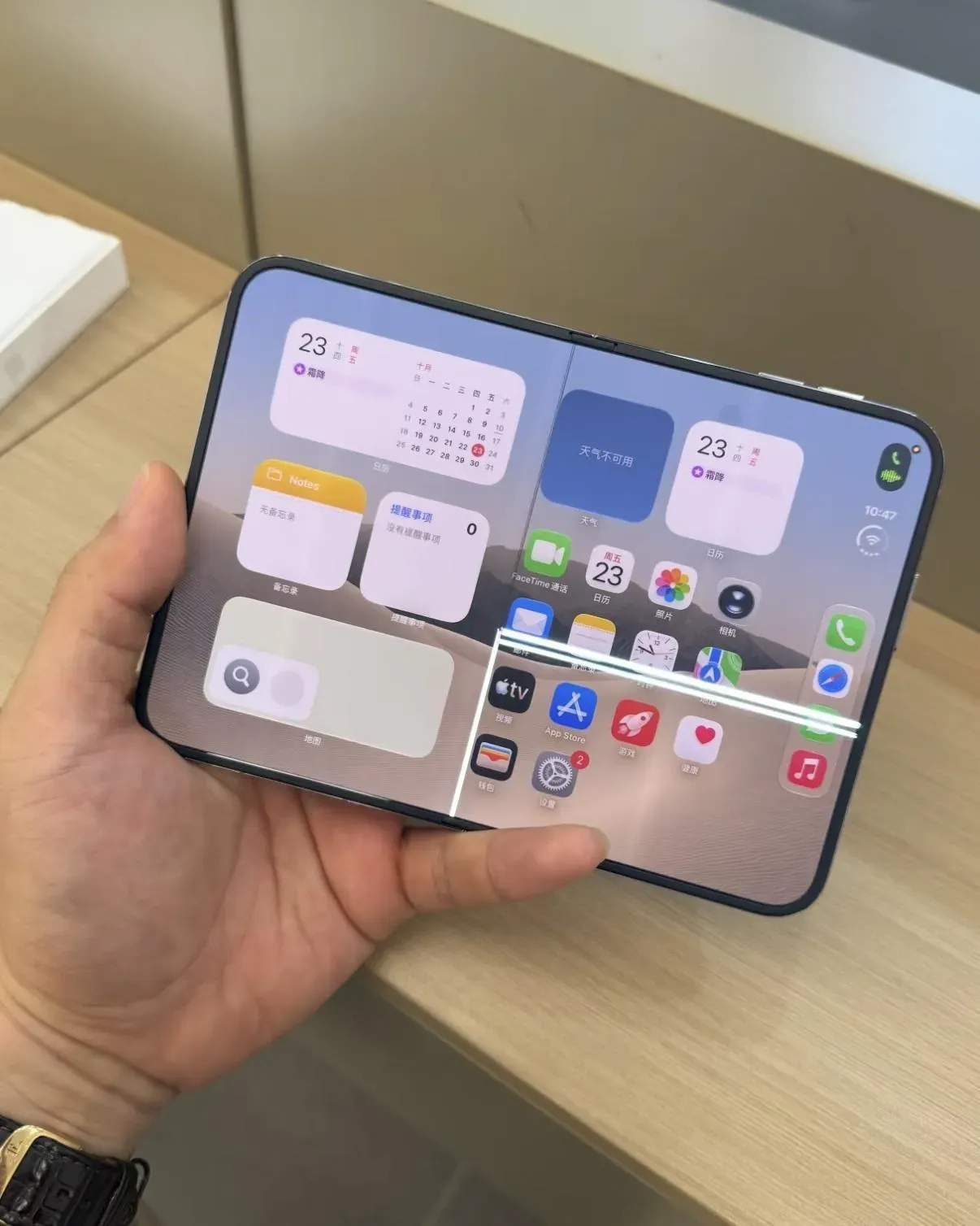
A YouTuber dissected the iPhone Duo and thinks he found crackgate's cause
CuriousHagi's teardown of Apple's foldable reveals a gear-like hinge that may explain why screens crack in the same spot within hours.

Google quietly links your phone number to every Android account on your SIM
Adding a SIM now ties your phone number to all Google accounts - and future accounts inherit it. Here's the security and privacy stakes.