
Android 17 hits Pixel phones today, with Floating Bubble windows leading the UI shakeup
Google starts rolling out Android 17 to compatible Pixels now, while other makers will follow throughout 2026.
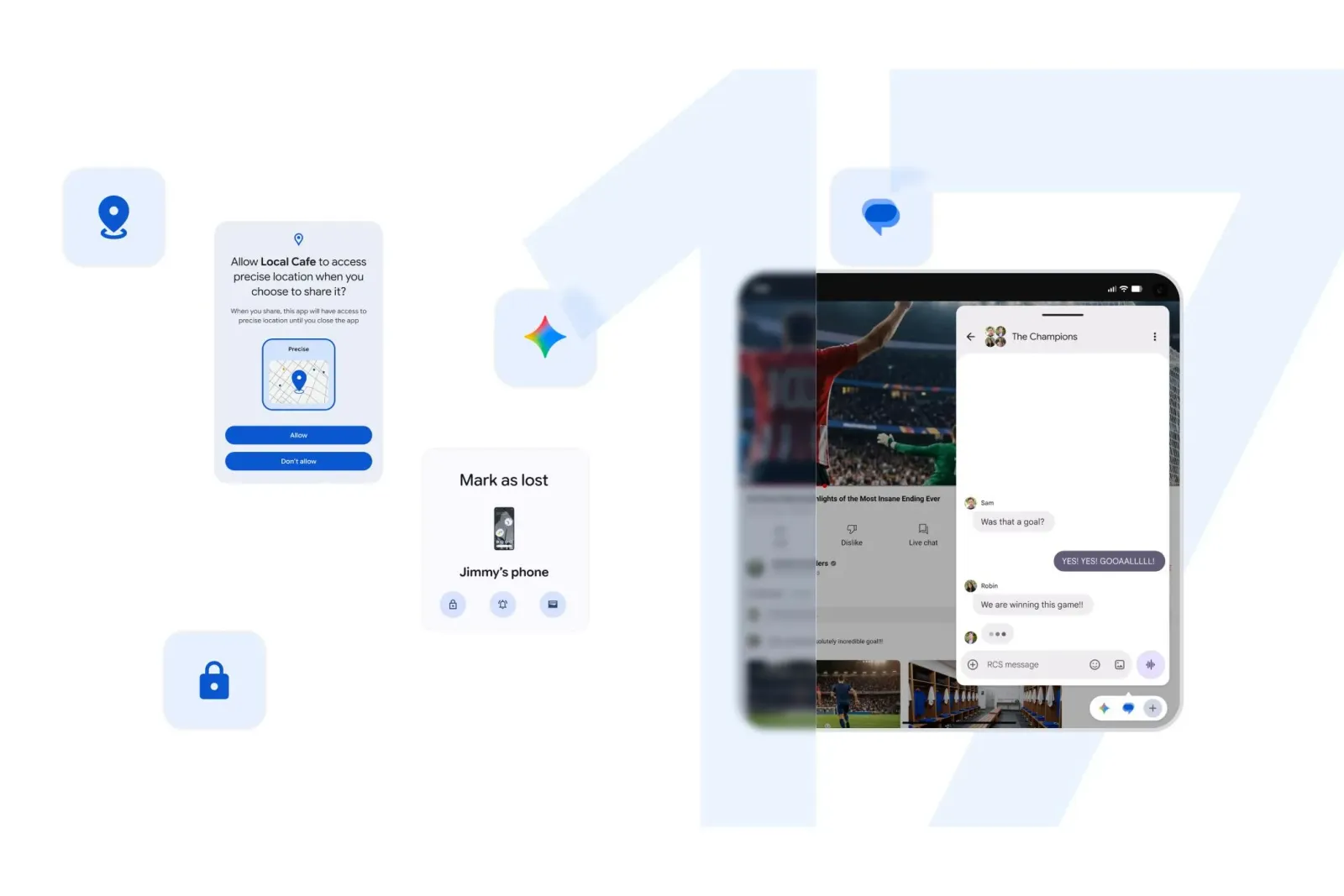
Google is rolling out Android 17 to compatible Pixel phones starting today, with the update arriving alongside June Pixel Drop exclusives. For decision-makers, the timing and feature rollout plan signals what to expect from Android’s next wave of UI and update cadence across the market.
Android 17 is arriving on compatible Pixel phones today, and the most visible change is not a back-end improvement. Google is introducing “Bubbles,” floating app windows that you can open with a long press, making multi-tasking feel less like a workaround and more like a default.
This matters because Google says the operating system is not just limited to Pixels. After today’s launch on compatible devices, Google says other manufacturers will issue Android 17 throughout 2026. That timeline turns what looks like a single handset update into a multi-year coordination question for the Android ecosystem, especially for product, UX, and partner teams who need to plan what users will see and when.
Bubbles are positioned as the biggest user interface update in Android 17. Google describes them as floating app windows you can open with a long press. If that sounds familiar, you are not wrong. The source notes that similar floating windows already exist in many Android skins, meaning device makers have long had their own variations on this idea. Android 17 is different because it makes this pattern an official part of the OS, not a skin-specific feature.
That shift from “skin feature” to “platform feature” is where the second-order implications start to stack up. When an interface behavior becomes standardized in the base OS, device manufacturers lose some ability to differentiate purely through convenience UX. Instead, differentiation can move to where the platform does not fully define the experience: performance tuning, visuals, integration depth, accessory ecosystems, and value-add services. For execs running product strategy across Android devices, that is a real constraint, but also a clearer path. You can plan for what is coming regardless of brand, then decide where to innovate.
The rollout is also paired with June Pixel Drop additional exclusive features. Google debuted Android 17 last month officially, and now it is moving into a broader release phase for Pixels. The source emphasizes that not every feature announced alongside the OS at the pre-I/O Android Show is available today. In practical terms, this is a reminder that update timing is rarely a single on/off switch. Even when the “big OS” lands, feature availability can be staged, gated, or phased, depending on device compatibility and rollout logistics.
For leadership teams, the gap between “announced” and “available” matters more than it sounds. Support teams get flooded when users interpret launch messaging as full parity on day one. Product teams get pressured to explain why something they saw in an event demo is missing. And executives have to manage expectations across channels, including retail, customer success, and app partners who design for platform capabilities.
Zoom out and the regulatory backdrop becomes relevant, even though the source does not mention a regulator by name. The UI and update cadence across Android devices is part of how the market organizes competition between the OS layer and the device layer. In many regulatory and antitrust discussions globally, the tension is whether a platform behaves as a neutral foundation or as a gatekeeper for how experiences are delivered. Standardizing a UX mechanic like Bubbles can be framed as platform improvement, but it also influences how much room partners have to shape user journeys.
Meanwhile, Google’s stated plan to have other manufacturers issuing Android 17 throughout 2026 gives the ecosystem a long runway. That is good for planning, but it also extends the period of fragmentation risk, where different devices get different experiences at different times. For executives at OEMs, carriers, and ecosystem partners, that means your app and services teams will need to test across an extended range of OS behaviors. For app developers, it means designing for both base platform features and OEM-variant experiences, at least until the OS adoption curve catches up.
Strategically, the stake is simple: Android 17 is not just another version number. It is a move to make an interaction pattern, previously common in Android skins, an official part of the OS via Bubbles. Google is also signaling an ecosystem-wide rollout plan stretching through 2026. If you are an executive planning roadmap bets, partner commitments, or user experience changes across the Android market, the practical question is whether you will treat Bubbles as a soon-to-be-universal baseline or as a feature you still need to support unevenly across devices for the next cycle.
This story's Key Insights and Take-aways are locked.
Create a free account to unlock Executive Actions for one credit.
Register to UnlockAlways free for Executives Club members. Join the Club
More in Technology

Nvidia's $89B data center quarter: the 9 companies cashing in
The AI buildout is minting fortunes beyond GPUs, and memory, cloud, and cooling suppliers are riding the same wave.
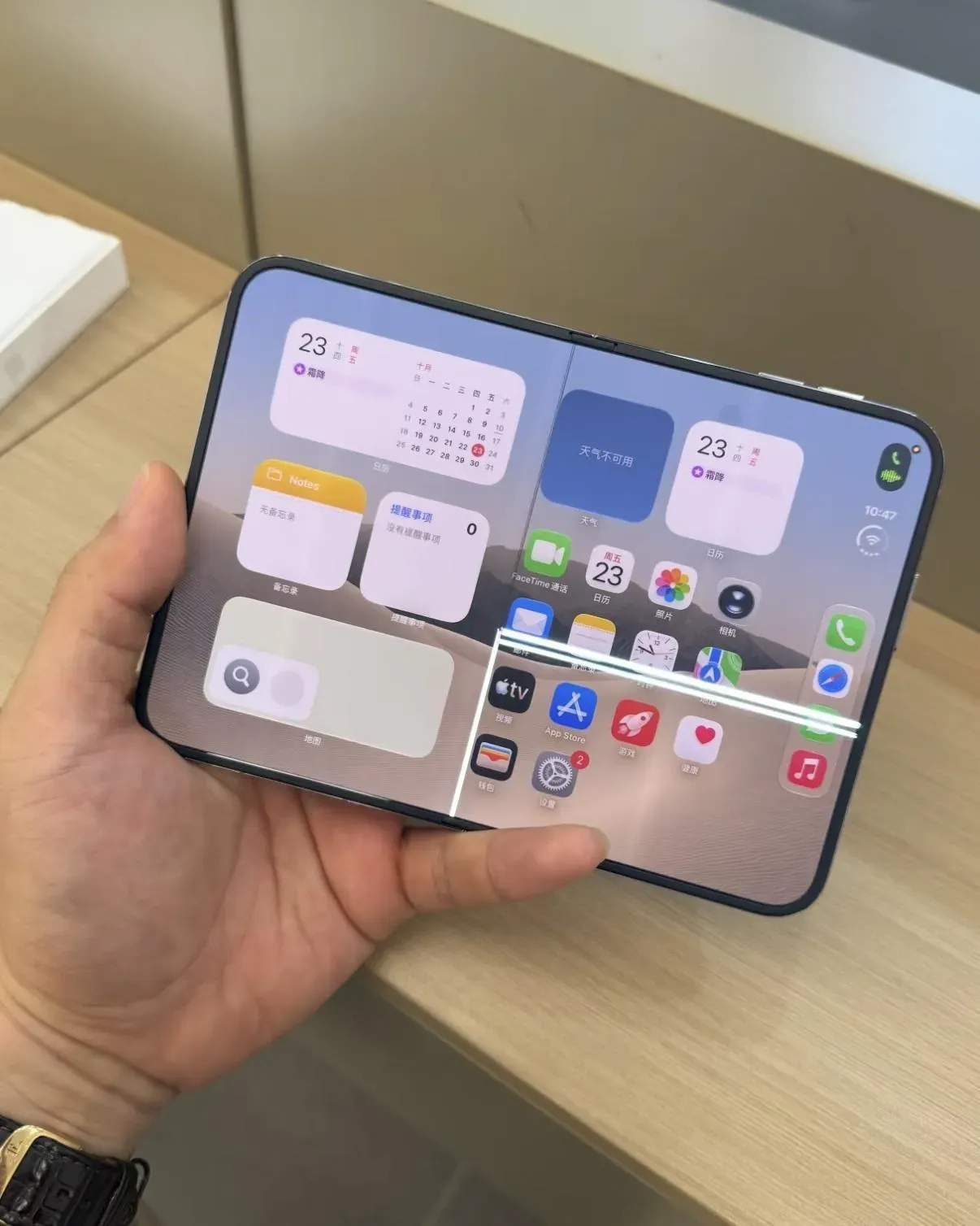
A YouTuber dissected the iPhone Duo and thinks he found crackgate's cause
CuriousHagi's teardown of Apple's foldable reveals a gear-like hinge that may explain why screens crack in the same spot within hours.

Google quietly links your phone number to every Android account on your SIM
Adding a SIM now ties your phone number to all Google accounts - and future accounts inherit it. Here's the security and privacy stakes.