
Collector Gustavo Egusquiza buys Diane Keaton nail clippers and Whoopi’s teapot
The auction isn’t just celeb cosplay. It shows how personal memorabilia moves markets and creates legal headaches for buyers.

Gustavo Egusquiza, a travel journalist and consultant from Bilbao, Spain, bought Diane Keaton’s nail clippers after seeing them in an auction catalogue. He also owns Whoopi Goldberg’s teapot and statuette from Larry King’s office, and the items he collects are now a case study in celebrity property value.
A box of assorted pins was the real plot twist in Diane Keaton’s recent auction. Collector Gustavo Egusquiza says the moment he opened the auction catalogue, he knew he wanted the actress’s nail clippers, because they were the kind of object she would have used every day. For Egusquiza, that wasn’t a random purchase. He framed it as a “tiny piece of Diane’s life,” and argued that objects like this reveal the intimate parts of a person’s real life.
That same collector story is why this goes beyond fan collecting. Egusquiza, who describes himself as a little celebrity obsessed, is building a memorabilia collection that already includes Whoopi Goldberg’s teapot and statuette from Larry King’s office. In other words, his taste runs from on-screen icons to the domestic, everyday stuff that feels weirdly close to the celebrity, and that closeness is exactly what tends to attract money at auction.
So what is happening here, economically and operationally? Auctions are often treated like simple bidding games, but for collectors they are really supply chain events. An auction catalogue determines the set of artifacts that can be acquired, the context in which they are perceived, and the pace at which bids can consolidate around specific objects. Egusquiza’s reaction matters because his selection criteria were not “big brand,” “red carpet,” or “most famous costume.” He went after a functional grooming item, the nail clippers, and he wanted them because of daily-use symbolism. In a market where many lots compete for attention, that kind of targeted narrative can be the difference between an object being a commodity and being a collectible.
There is also an identity angle that boards and executive teams should understand, even if they are not buying celebrities’ personal effects. Memorabilia collecting works because buyers believe they are purchasing proximity to a person, not just materials. Egusquiza’s own reasoning is explicit: the clippers are intimate because they reflect habitual use. He also says it is objects like this that reveal “the intimate parts of a person’s real life.” That’s a powerful mental model in any asset market, including ones outside traditional finance. The story can influence valuation because it upgrades an item from “stuff” to “evidence of a life.”
Now zoom out to second-order implications. When a collector builds a portfolio of celebrity household items, the risk profile changes. Even if the auction itself provides provenance narratives in the catalogue, the buyer is still exposed to disputes and compliance concerns that can land after purchase. In the broader art and collectibles world, provenance documentation and chain-of-custody questions are recurring themes, and they typically become important when ownership is challenged, when items are moved across borders, or when resale markets demand higher verification standards. Egusquiza is based in Bilbao, Spain, which means cross-border movement is part of the logistics picture for European collectors, even if the source does not spell out shipping details.
There is also reputational risk, and that is not trivial for collectors who become recognizable in their own right. Egusquiza says he is building his collection and highlights that he has Whoopi Goldberg’s teapot and statuette from Larry King’s office. That combination signals that memorabilia collectors do not only buy from one celebrity lane. They aggregate artifacts across multiple entertainment ecosystems, and that can intensify scrutiny, especially if buyers later attempt to commercialize items. For executives, the takeaway is that “cool” collectibles markets can still behave like regulated, paperwork heavy ecosystems once you get past the initial purchase excitement.
Finally, there is the governance question for anyone who touches high-value personal property markets. This is an exclusive auction context, but the underlying dynamic is similar across industries: whoever controls the catalogue narrative often controls the demand story. Egusquiza’s quote shows that he decided quickly when he saw the lot, and that the catalogue’s framing gave him a clear mental shortcut to value. If you are a board member overseeing trust, risk, or operations at a company connected to auctions, estate sales, or secondary markets, this kind of buying behavior signals where attention and documentation need to be tight: lot descriptions, provenance notes, and any rules around handling celebrity-associated property.
The strategic stakes here are simple. People with money compete on story, not only on objects, and then they compete again on who can prove what they own. Egusquiza’s obsession with the everyday artifacts of Diane Keaton and his ownership of Whoopi Goldberg’s teapot from Larry King’s office illustrate that the market will pay for intimacy. The same market will also punish sloppiness, because once personal memorabilia starts moving like an investment, the back-office details catch up fast.
This story's Key Insights and Take-aways are locked.
Create a free account to unlock Executive Actions for one credit.
Register to UnlockAlways free for Executives Club members. Join the Club
More in Entertainment
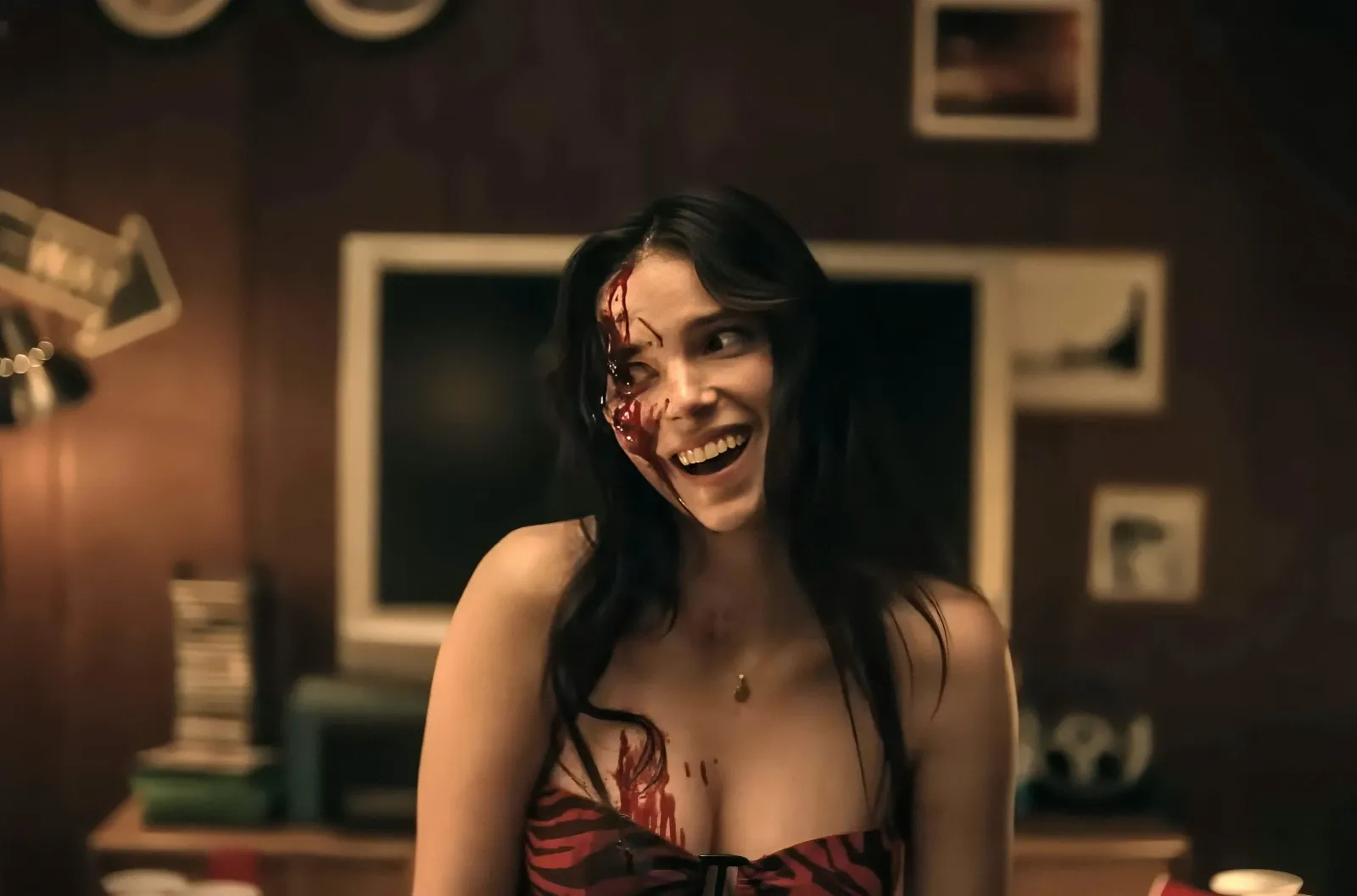
Oscar buzz hunts 'Obsession' as Curry Barker's breakout horror hits $19M
Academy voters and Hollywood gatekeepers face a new problem: a YouTuber-driven hit is rewriting awards-season math.
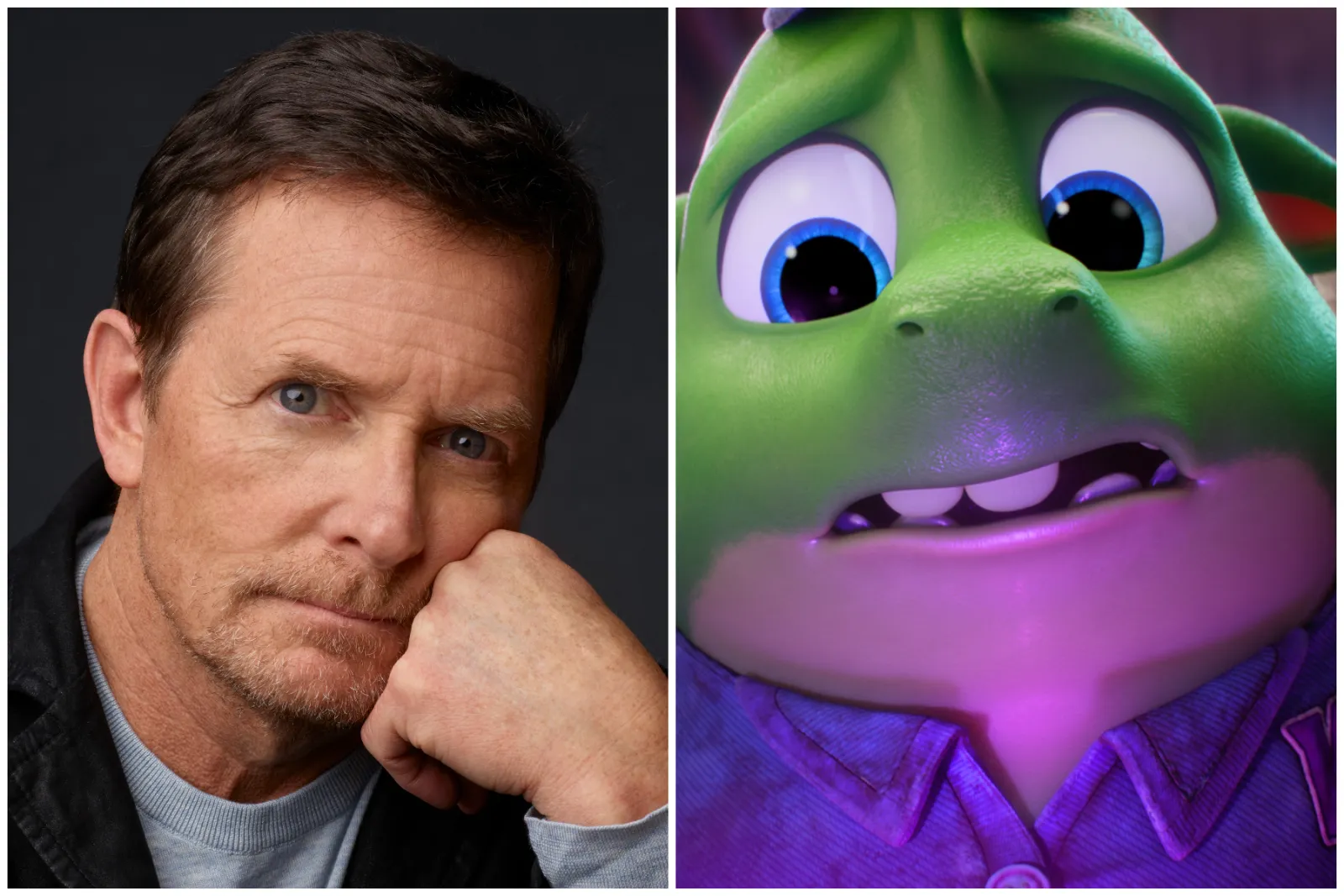
Michael J. Fox voices Dougie in Icon’s CG “Dragoons” animated feature
A celebrated actor joins a new CG studio project where a normal worker’s dragon transformation hinges on his apprentice.
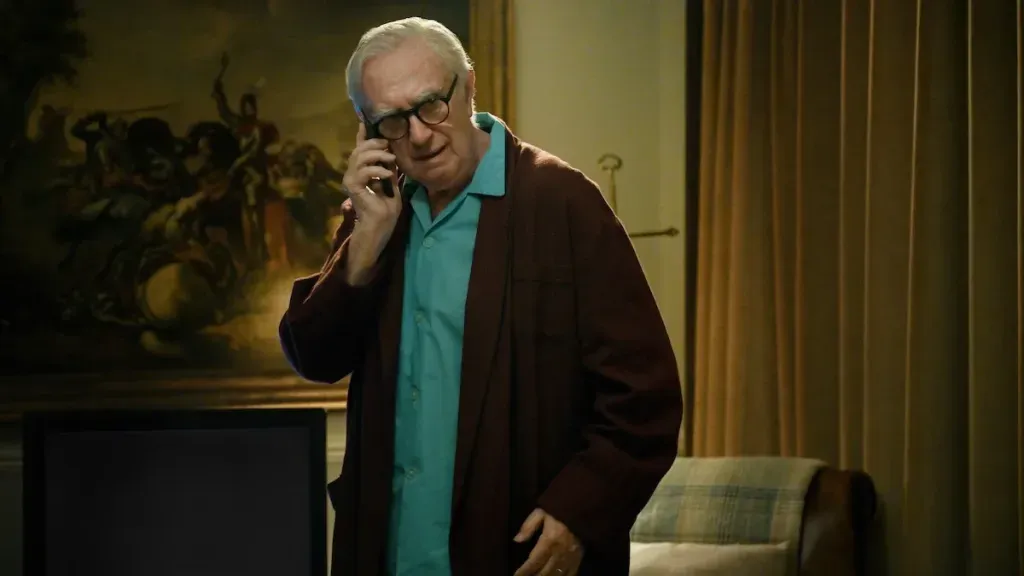
Jonathan Pryce says dementia makes “Slow Horses” easier: “You’re free of the past.”
The actor explains how playing David Cartwright’s dementia shifted workload, portrayal choices, and the season’s key payoff.