
Michael J. Fox voices Dougie in Icon’s CG “Dragoons” animated feature
A celebrated actor joins a new CG studio project where a normal worker’s dragon transformation hinges on his apprentice.
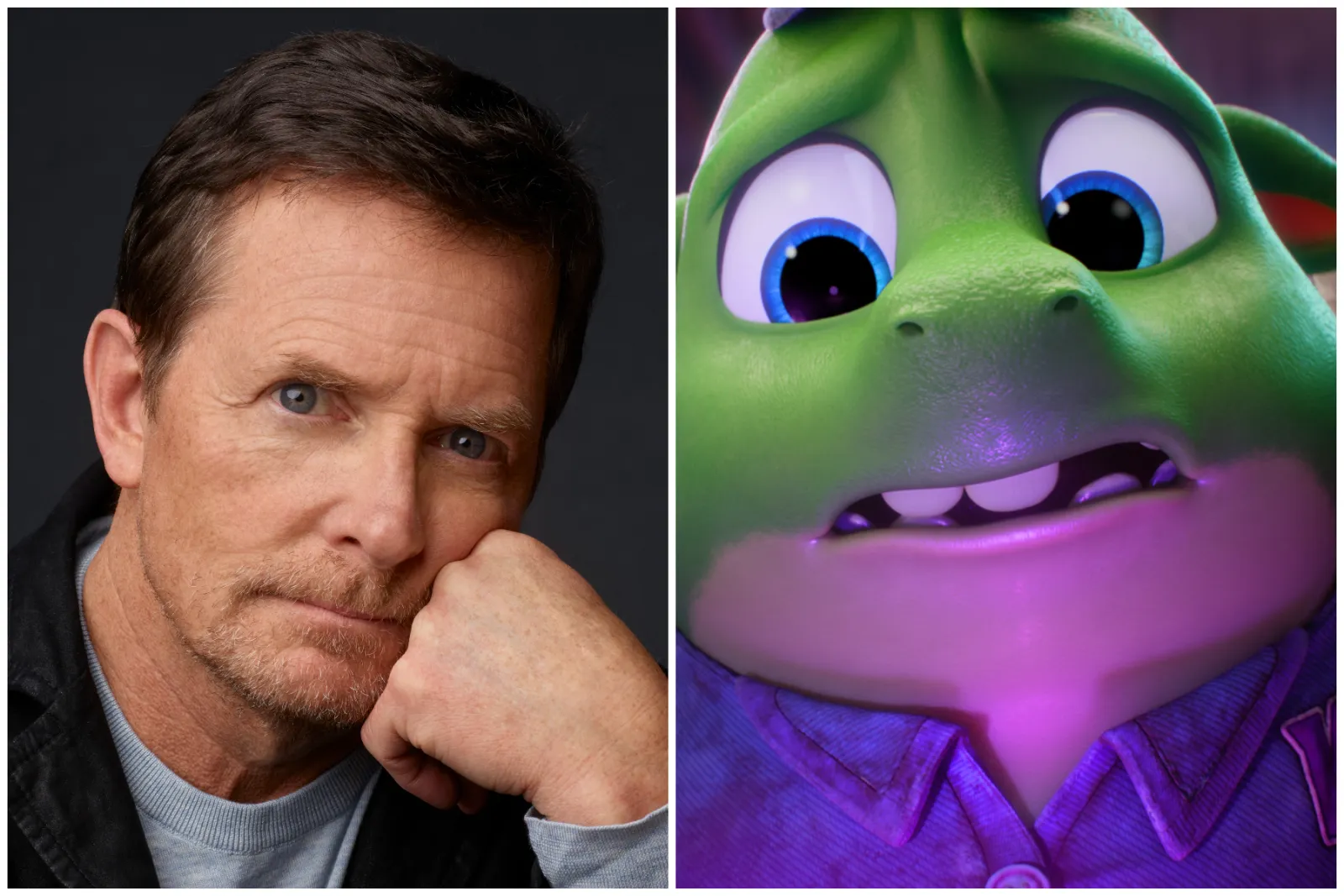
Michael J. Fox is set to voice lead character Dougie in the upcoming CG animated feature film “Dragoons” from Icon Creative Studios. The official description centers on Dougie, an overlooked worker at WizCorp, whose apprentice Dart triggers a freak accident and a dragon transformation.
Michael J. Fox is set to voice lead character Dougie in the upcoming CG animated feature film “Dragoons” from Icon Creative Studios. In the story’s official description, Dougie is an overlooked, ordinary worker at WizCorp until a freak accident awakens something extraordinary in his new apprentice Dart. The result is a transformation into a mighty dragon, with Dougie stepping into a role he never asked for and likely did not train for.
For executives, that’s the real headline under the headline: star voice casting plus a built-in character engine. “Dragoons” is not just asking audiences to watch a dragon movie. It is structuring the plot around a relationship and a triggering event. Dougie’s arc is tied to Dart, and the freak accident is what turns a normal workplace setup into a high-stakes fantasy. That kind of premise matters in animated development because it supports marketing clarity and gives creators a clear reason to escalate scenes, emotions, and spectacle.
Icon Creative Studios is taking this story to the CG animated feature space, which typically means long lead times and careful risk management. Animated features often require significant pre-production work early on, from character design and storyboarding through voice capture, animation production, and final render schedules. When you add an internationally recognizable voice talent like Michael J. Fox, the production team has one more incentive to get the performance right early. A voice lead is not background casting. It can shape pacing, comedic timing, and even how characters “move” emotionally from scene to scene.
There is also a commercial incentive hiding in plain sight. A lead voice actor brings attention before a single frame is animated. That can help a studio and its partners get meetings, secure distribution interest, and justify budget levels when stakeholders are comparing competing slates. In other words, the cast can function like a fast confidence signal, especially when the film’s concept blends the familiar workplace framing with a sudden magical or fantastical twist.
The plot description included with the announcement gives “Dragoons” an unusually specific causal chain: overlooked worker at WizCorp, new apprentice Dart, freak accident, something extraordinary awakened within Dart, and Dougie transformed into a mighty dragon. That chain matters for executives because it is a blueprint for how to keep the story from feeling like a random transformation scene. It also implies that the film likely leans on apprentice dynamics. Dart is not merely a side character. Dart is the trigger, which can keep the narrative centered on mentorship, responsibility, and consequences rather than only on monster spectacle.
For boards and production leadership, voice casting at this level also affects project governance. Even without referencing internal numbers, adding a major actor typically changes how leadership handles scheduling, deliverables, and stakeholder confidence. It can influence how the studio manages timelines with animators and editors because voice performance acts like a north star for many downstream choices. If the voice lead is locked, teams can align animation and sound design decisions to match the performance’s emotional beats.
Looking at the broader animated market context, CG features are in a constant race for attention. Audiences have seen enough dragons and transformations that the differentiation has to be more than “big creature, big visuals.” “Dragoons” appears to differentiate with the WizCorp workplace setup and the apprentice-trigger mechanic. That combination can help the film stand out in a crowded calendar by giving marketers a distinct narrative hook that is easy to explain in one minute.
Second-order implications for executives: star-driven projects can create both upside and pressure. The upside is visibility and confidence. The pressure is expectation. If Michael J. Fox’s performance becomes a talking point, the rest of the film has to support it with character clarity and a transformation payoff that feels earned. The good news, at least from the official description, is that the story already has an earned “why” for the dragon element: it is tied to a freak accident linked to a new apprentice. That gives creative teams an actionable foundation to deliver the promise quickly and credibly.
Bottom line, “Dragoons” is shaping up as a CG animated feature where the star voice lead and the internal story logic reinforce each other. If you are an operator, investor, or board member tracking animated slate risk, this announcement is a reminder that the best projects pair recognizable talent with premises that are specific enough to market and structured enough to animate without losing the plot. A voice lead can pull people in, but the worker-to-dragon transformation, awakened through Dart, is what should keep them watching.
This story's Key Insights and Take-aways are locked.
Create a free account to unlock Executive Actions for one credit.
Register to UnlockAlways free for Executives Club members. Join the Club
More in Entertainment
Oscar buzz hunts 'Obsession' as Curry Barker's breakout horror hits $19M
Academy voters and Hollywood gatekeepers face a new problem: a YouTuber-driven hit is rewriting awards-season math.
Jonathan Pryce says dementia makes “Slow Horses” easier: “You’re free of the past.”
The actor explains how playing David Cartwright’s dementia shifted workload, portrayal choices, and the season’s key payoff.

Keith Urban built a “flow state” studio lark into a yacht rock album, Flow State
The Grammy winner turned Nashville’s old Tracking Room Studio into Sound, then hired Dann Huff to make 70s covers feel like his own.