
Crystal Dynamics is remaking Tomb Raider again, aiming for a 2027 release at the franchise’s furthest point
The Unreal Engine 5 single-player narrative project is a timeline-joint effort, not a reboot, and it changes what 2027 looks like.
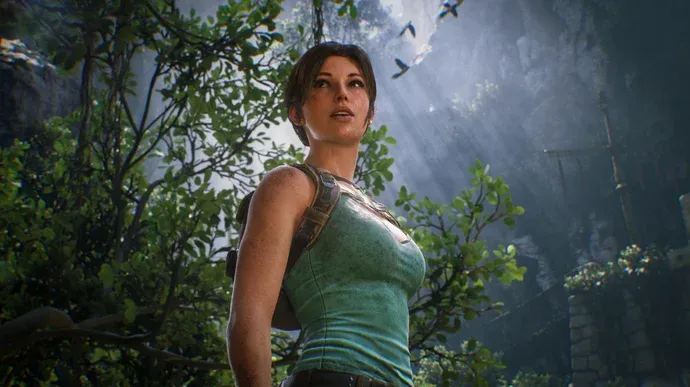
Crystal Dynamics announced a brand new Tomb Raider in 2022 with Amazon as publisher, built in Unreal Engine 5. The project was later revealed as Tomb Raider Catalyst, slated for release in 2027 as a unifying entry set at the farthest point in the franchise timeline.
Crystal Dynamics says it is remaking the original Tomb Raider by going to the franchise’s furthest point in time, not by starting over at the beginning. The studio announced a brand new Tomb Raider in 2022 alongside a publishing deal with Amazon, with a promise that the next game would be a single-player, narrative-driven title built in Unreal Engine 5.
That 2022 announcement later got a more specific label: Tomb Raider Catalyst. The game is set at the farthest point in the Tomb Raider franchise timeline and is designed to unify the many versions of Tomb Raider that have come before. Crystal Dynamics also says Catalyst is currently set to release in 2027, which is the real stake for anyone tracking budgets, pipelines, and platform publishing calendars.
If you are an executive trying to map where the next revenue streams come from, the headline detail here is not just “Tomb Raider is back.” It is the strategic choice to “unify” disparate past iterations while building in Unreal Engine 5. Unreal Engine 5 is now the baseline expectation for AAA visuals and tooling, but it also comes with a practical implication for production planning: teams need time to lock pipelines, iterate on environments, and keep gameplay and narrative systems aligned. When a title is positioned as both story-driven and technically modern, development risk tends to concentrate around pacing and scope, not just graphics.
The Amazon publishing angle adds another layer. Publishing deals are typically about more than distributing a game in stores and storefronts. They can influence marketing cadence, co-financing structures, launch sequencing, and how risk is allocated between creator and publisher when timelines stretch. The original 2022 framing paired the Crystal Dynamics announcement with that Amazon publishing deal, meaning this is a coordinated effort, not a solo studio bet. By the time a project is revealed under a specific name like Tomb Raider Catalyst, decision-makers can infer that the parties are past the earliest experimentation stage and are aligning on a more concrete product and narrative direction.
Just as important: Catalyst is not described as a replacement for the established Tomb Raider identity. It is framed as a “love letter” approach, and the core design goal is to unify the different versions of Tomb Raider into a single, coherent experience. Setting the game at the farthest point in the franchise timeline is doing narrative work that also acts like brand work. For longtime players, the time setting can function as a connective tissue, making past eras feel like chapters in one broader story. For newcomers, it can reduce the pressure to have mastered every previous storyline, because the game can be written to stand on its own while still delivering franchise callbacks.
That unification goal also has business implications. When franchises sprawl across multiple entries, audience segments often splinter. Some players want the feel of older games, others gravitate toward newer mechanics and narrative approaches. A timeline-based unifier is one way to reduce internal conflict about what the “real” Tomb Raider should be. Instead of asking teams to pick a favorite past era, Catalyst is positioned to incorporate the franchise’s identity in a later context, where many threads can plausibly converge.
From an industry lens, the 2027 target date matters because it places this project into a crowded planning window. GamesIndustry.biz notes the timeline: announced in 2022, later revealed as Tomb Raider Catalyst, and set to release in 2027. That five-year runway is long enough for multiple cycles of market feedback, platform shifts, and audience expectations to move around. Executives budgeting for marketing and partnerships also need to consider the opportunity cost of holding a major slot for a premium single-player narrative game, especially when players have many alternatives across genres and delivery models.
For boards and leadership teams, the second-order takeaway is that Tomb Raider Catalyst is attempting to solve a brand math problem with production math. The brand problem is how to unify “different versions of Tomb Raider” without alienating existing fans. The production problem is how to deliver an Unreal Engine 5-built, single-player narrative title on a realistic schedule while coordinating with a publisher partner like Amazon. If Crystal Dynamics pulls it off, it sets a reference point for how large publishers and studios can handle franchise continuity in a world where expectations for both story and technical quality keep rising.
This story's Key Insights and Take-aways are locked.
Create a free account to unlock Executive Actions for one credit.
Register to UnlockAlways free for Executives Club members. Join the Club
More in Entertainment
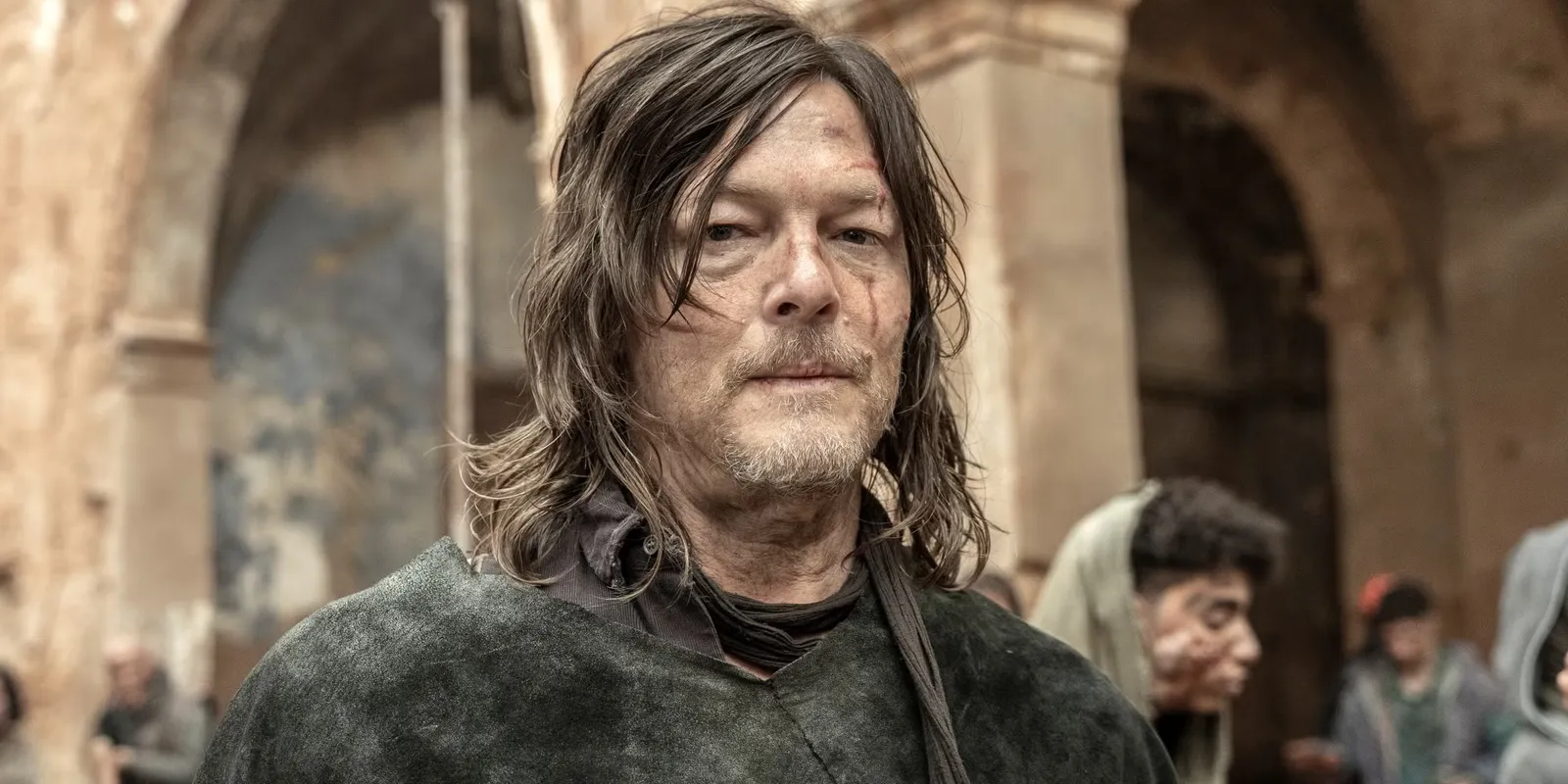
Norman Reedus exits The Walking Dead after 16 years as Daryl Dixon
A 16-season Daryl Dixon era ends, and it reshapes how TV studios hedge risk in long-running franchises.

“Leviticus” turns conversion therapy panic into romantic horror, inspired by gay-rights “regression”
Adrian Chiarella’s debut channels a specific fear: LGBTQ rights backsliding into coercion, then demonic pursuit.
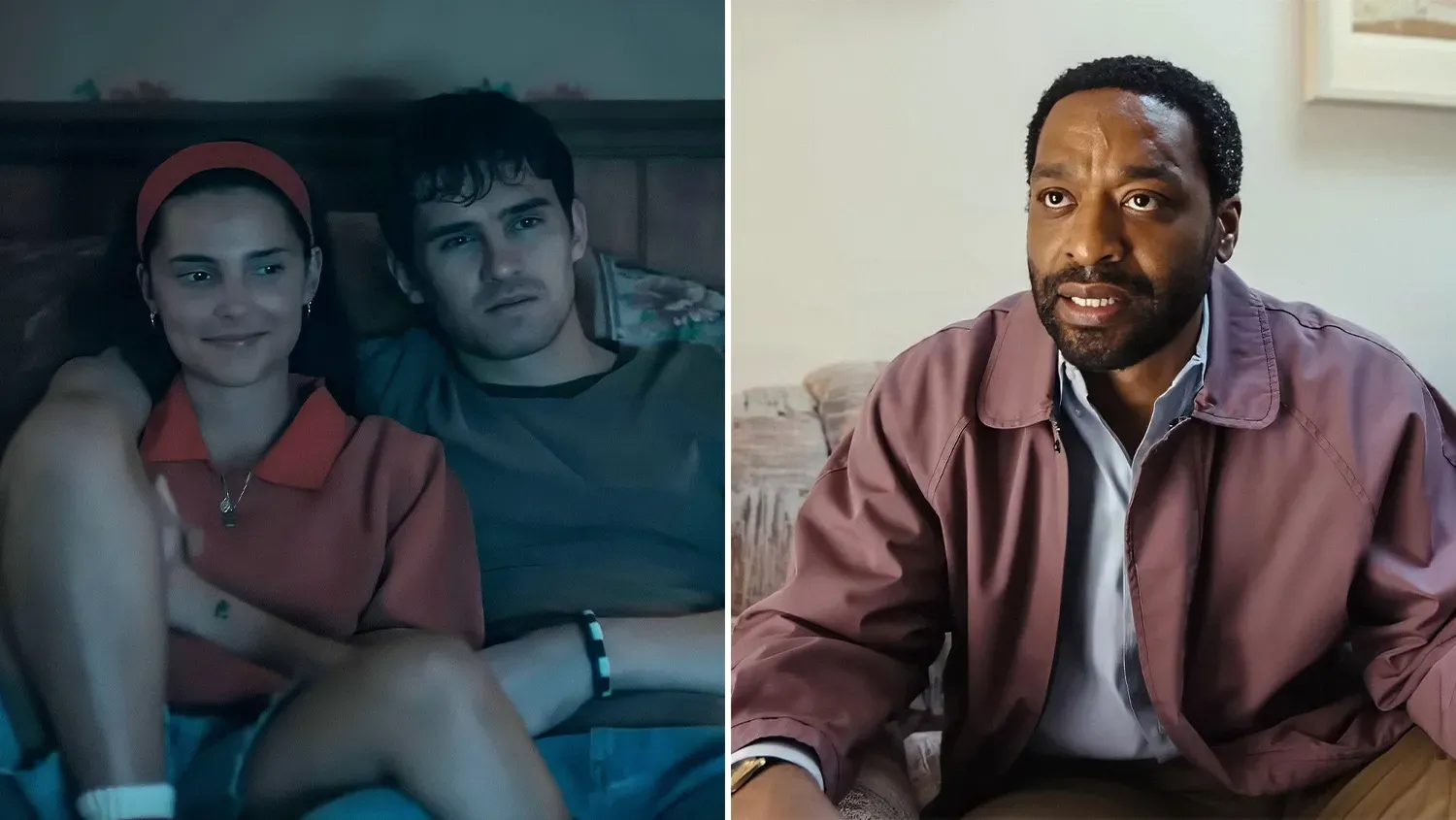
‘Obsession’ tops $300M worldwide for Focus Features as Focus goes back-to-back for hits
Curry Barker’s third Universal-Blumhouse-Atomic Monster movie clears $300M globally, while Mando and Baby Yoda “get lost” stateside in the Backrooms.