
FIFA will red-card mouth-covering at World Cup confrontations to curb racism
FIFA says players who cover their mouths during confrontations will get a red card, with other 2025 Qatar match drama piling up.

FIFA announced that players who cover their mouths during confrontations with opponents will receive a red card as part of World Cup measures to combat racism. For decision-makers and football operators, the policy raises the compliance bar and increases the match-day consequences of sideline behavior.
FIFA says players who cover their mouths during confrontations with opponents will receive a red card, as part of World Cup measures to combat racism. That rule lands in a tournament already packed with high-temperature moments, where emotions are fast, visuals go viral, and officials have to decide in real time what crosses the line.
The immediate impact is simple: behavior that might once have been treated as “just a reaction” becomes a disciplinary trigger. Covering your mouth during an on-field confrontation is now framed as tied to racism concerns, which means captains, teams, and match officials are all operating under a tighter interpretation window. In a sport where confrontations are common late in games, this can change risk math for managers, coaches, and even federations preparing for what players will do when tensions spike.
This also matters because other on-field storylines in the World Cup cycle show how quickly a match can flip from controlled to chaotic. Scotland tried to pile on pressure late in the game, but despite late chances, could not find an equaliser. That kind of late-game intensity often produces confrontations, and under FIFA’s new lens, the margin for “do something small under stress” shrinks. Meanwhile, Canada’s match took a scary turn in the 51st minute when midfielder Ismael Kone suffered an apparent lower left leg injury and was stretchered off. When momentum is already unstable, officials being empowered to punish specific behaviors can add another layer to how matches unravel.
Beyond discipline rules, the tournament’s social dynamics are also getting louder. The reigning African footballer of the year was booed by fans in the crowd of over 64,000 at the Gillette Stadium near Boston during Friday's encounter. If a player can be booed in a packed stadium, you can expect confrontations to carry extra signaling, for better or worse. FIFA’s decision to combat racism through match enforcement tries to prevent not just slurs, but patterns of behavior that may be interpreted as racist or racially coded. For boards and league administrators, that means the operational focus is no longer just coaching tactics, it is also education, player conduct protocols, and rapid messaging to players when temperatures rise.
The World Cup picture also shows why scheduling and group pressure are relentless. Haiti’s first World Cup appearance since 1974 will end after they play Morocco in Atlanta. The clash, part of the race to qualify from Group G, will take place on Monday, June 22, at 5am UAE time. These are the kinds of elimination stakes that change how teams manage discipline, especially if a rule can turn a confrontation into an automatic red card. When qualification hinges on a single match window, even one sending off can swing not just the result, but the group narrative.
There is also a wider strategic context around how football media, culture, and fandom intersect with the sport’s politics and perceptions. Bangladeshi expats reject Western media claims that Messi created Bangladesh’s football obsession, insisting Argentina and Brazil fandom existed long before his rise. While that specific dispute is about media narratives, it underscores why FIFA’s racism-focused enforcement is politically and culturally sensitive. The “what does this gesture mean?” debate is exactly the kind of controversy that policy tries to preempt, but it also means clubs and players will need to understand the intention of enforcement, not just the letter of it.
On the operational front, match logistics still demand constant attention. The source notes that no date has been announced for the start of the trial at the criminal court in the Hauts-de-Seine department in France. In parallel, other fixtures remain in motion: they will face Czech Republic at the Estadio Azteca on Wednesday, while South Korea, on three points, face South Africa in Monterrey. For executives overseeing communications and risk, these threads matter because they demonstrate how the tournament functions like a live feed across sports, governance, legal developments, and fan behavior. When FIFA introduces a behavioral red card trigger, it affects everything from team travel briefings to the way officials communicate warnings during matches.
Taken together, FIFA’s mouth-covering red card decision is not just a rule change. It is a signal that football’s governance is tightening around the visible signals of respect and hostility, especially in confrontations. And when games already feature pressure, booing in front of crowds over 64,000, and injury-caused momentum shifts, a single red card can be more than a moment. It can rewrite qualification odds, inflame fan response, and force teams to re-plan training and discipline around what players do with their hands, faces, and expressions when tempers flare.
This story's Key Insights and Take-aways are locked.
Create a free account to unlock Executive Actions for one credit.
Register to UnlockAlways free for Executives Club members. Join the Club
More in Entertainment
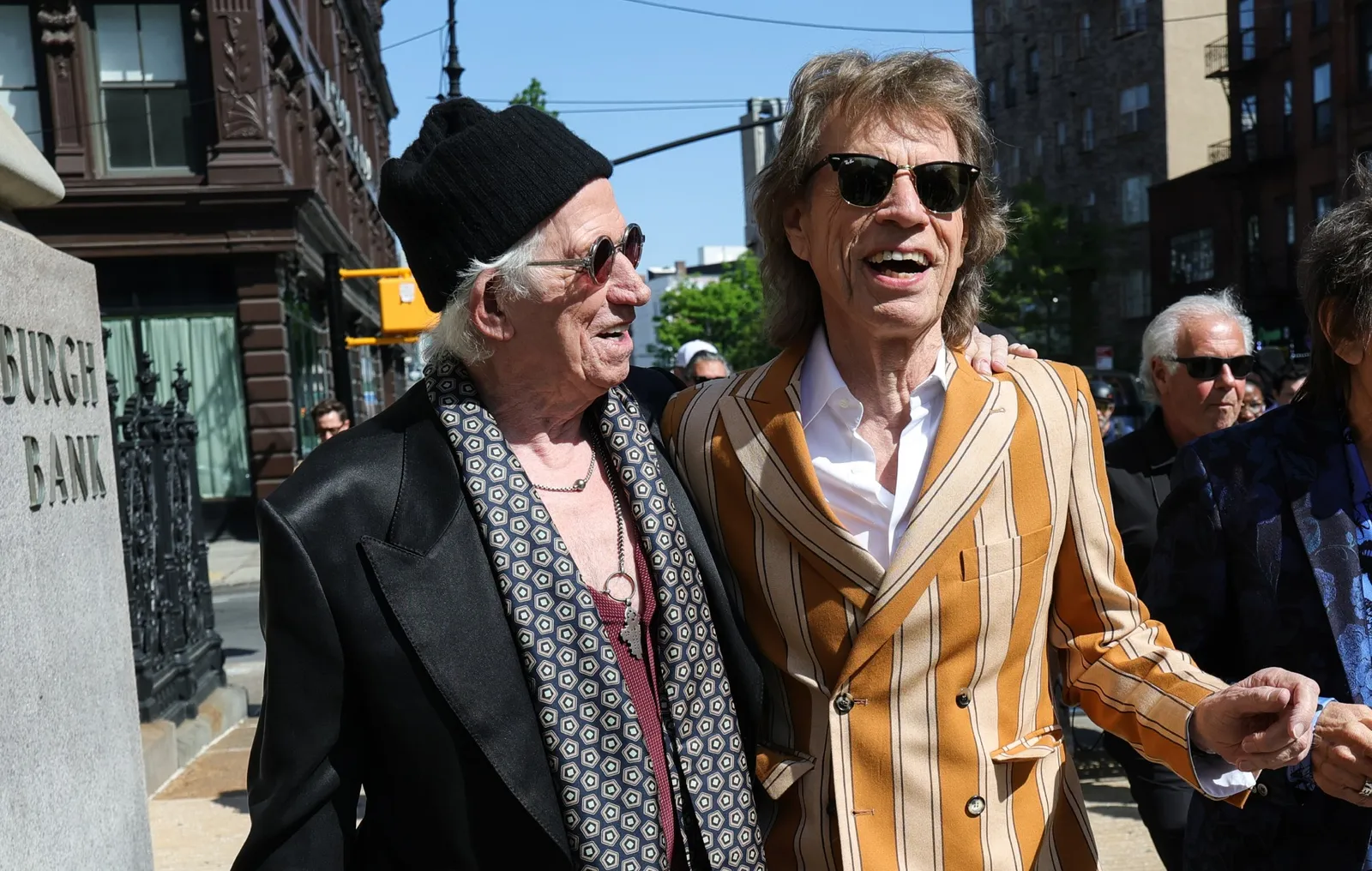
Keith Richards says Mick Jagger “won’t bloody stop” on new Rolling Stones album
What keeps Jagger moving and why Foreign Tongues, July 10, is the Stones’ momentum business case in public.
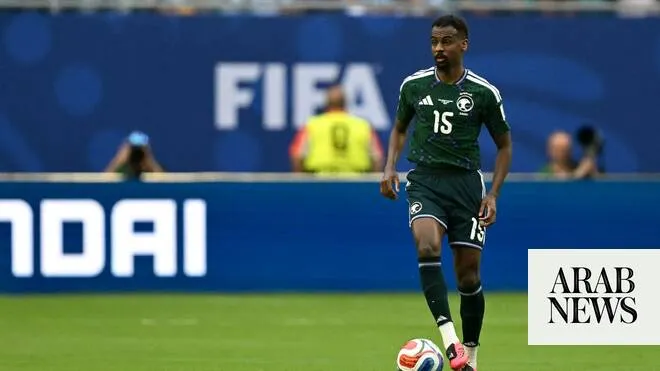
Saudi’s Planes warns Spain: 0-0 with Cape Verde proves Group H is harder now
After Spain stumbled to a 0-0 draw, Ramon Planes says Saudi’s improved mix could decide Sunday’s World Cup clash in Atlanta.

Tony Leung at Shanghai Film Festival: why “Silent Friend” must be seen in cinemas
At a packed Shanghai International Film Festival masterclass, Tony Leung Chiu-wai argues his subtle acting only lands on the big screen.