
Herman Hulst says PC ports were “inconsistent” and dropped single-player plans
PlayStation reportedly told staff it is pulling back PC for narrative games, citing inconsistent releases and weak revenue.

Sony Interactive Entertainment CEO Herman Hulst reportedly told staff that PlayStation is abandoning PC as a platform for single-player games. The consequence for decision-makers: tighter platform alignment, continued PC focus on live-service only, and tougher expectations for future ports.
Sony Interactive Entertainment CEO Herman Hulst reportedly told staff that PlayStation is dropping plans for PC as a platform for single-player games. According to Bloomberg reporter Jason Schreier on the gaming forum ResetEra, Hulst’s reasons were blunt: PC ports were “inconsistent” and did not make enough money.
The story is also clear about what PlayStation is not doing. Schreier reports there are no plans for titles to make the jump on a case-by-case basis. Instead, PlayStation plans to support live-service games on PC, while single-player narrative-driven games are set to remain exclusive to PlayStation consoles. “During a townhall a few weeks ago, Hermen Hulst told staff that their single-player narrative games will be PlayStation only,” Schreier wrote, adding that Hulst explained the PC releases were inconsistent, underperformed financially, and that PlayStation wants to keep its IP aligned to its own platform. Schreier also said it was “confirmed this with two people who heard him say it,” and that there is “no ‘case by case’ here.”
If you run a studio, fund publishing, or advise a platform, this matters because it reframes the PC port debate from a technical one into an incentive one. In the traditional playbook, PC ports can look like a free second life. In reality, consistency and timing drive revenue, and timing is where PlayStation’s PC strategy appears to have struggled. The source notes that many of PlayStation games on PC arrived months or years after the initial release. That delay changes the economics. The original hype cycle has moved on, marketing tends to be thinner, and attention is already being harvested by other new releases. For players, that can feel like buying a product after the showroom lights turn off.
There is also the “what did we actually ship?” problem. The source ties Hulst’s “inconsistent” line to the possibility that some ports were simply not ready for prime time. The example given is The Last of Us Part 1, described as “pretty busted when it launched on PC,” which is a particularly painful data point when the title is also one of PlayStation’s most beloved franchises. Even when the long-term trajectory improves, an unstable launch is a brand and a business problem. It affects reviews, refunds, trust, and future conversion, all of which determine whether a port becomes a durable revenue stream or a one-off gamble.
Meanwhile, the “lack of revenue” piece is the other half of the logic. Hulst reportedly said the ports “didn’t make enough money.” That is the kind of sentence executives say when the numbers do not justify the operational burden. Porting is not just engineering. It is QA cycles, performance work, configuration complexity, platform-specific support, and marketing alignment. If single-player PC does not earn enough to cover those costs, the board does not need a policy committee to reach a decision. You consolidate.
Notice what PlayStation is choosing to consolidate rather than abandon completely. The source says PlayStation will keep live-service games on PC. That distinction is strategically important. Live-service titles typically depend on ongoing engagement, which can justify the ongoing cost of multi-platform support. Single-player narrative games, on the other hand, are often front-loaded into a shorter sales window, and any mismatch between the release cadence on consoles and PC becomes more damaging. So the decision is not “PC is dead.” It is “PC is not where we want our biggest narrative identity to sit.”
If you are a publisher or investor watching this from the sidelines, the market signal is bigger than one company’s roadmap. PlayStation is telling staff there is no “case-by-case” carve-out. That implies an internal gate is being tightened: either the project meets a revenue bar with consistent outcomes, or it does not get PC as a single-player destination. That is the kind of rule that changes staffing plans, budgeting, and how studios pitch platform strategy. It also affects how players set expectations. If Marvel’s Wolverine is still scheduled for this fall on PlayStation, the source states you will “need a PS5,” with “no PC version in 2027.” That timeline is a concrete reminder that exclusivity is being treated as a deliberate business lever, not a marketing accident.
So what should decision-makers take away? The second-order effect is that platform alignment will likely strengthen. For PlayStation, that means keeping single-player narrative IP tied to its hardware ecosystem. For partners and competitors, it means watching for faster, more conservative commitments on PC for big single-player brands, because inconsistency and underperformance can quickly turn into a policy, not just a lesson.
In other words, this is not just a rumor about ports. It is a reported internal reckoning about consistency, revenue, and who each platform believes it should serve best.
This story's Key Insights and Take-aways are locked.
Create a free account to unlock Executive Actions for one credit.
Register to UnlockAlways free for Executives Club members. Join the Club
More in Entertainment
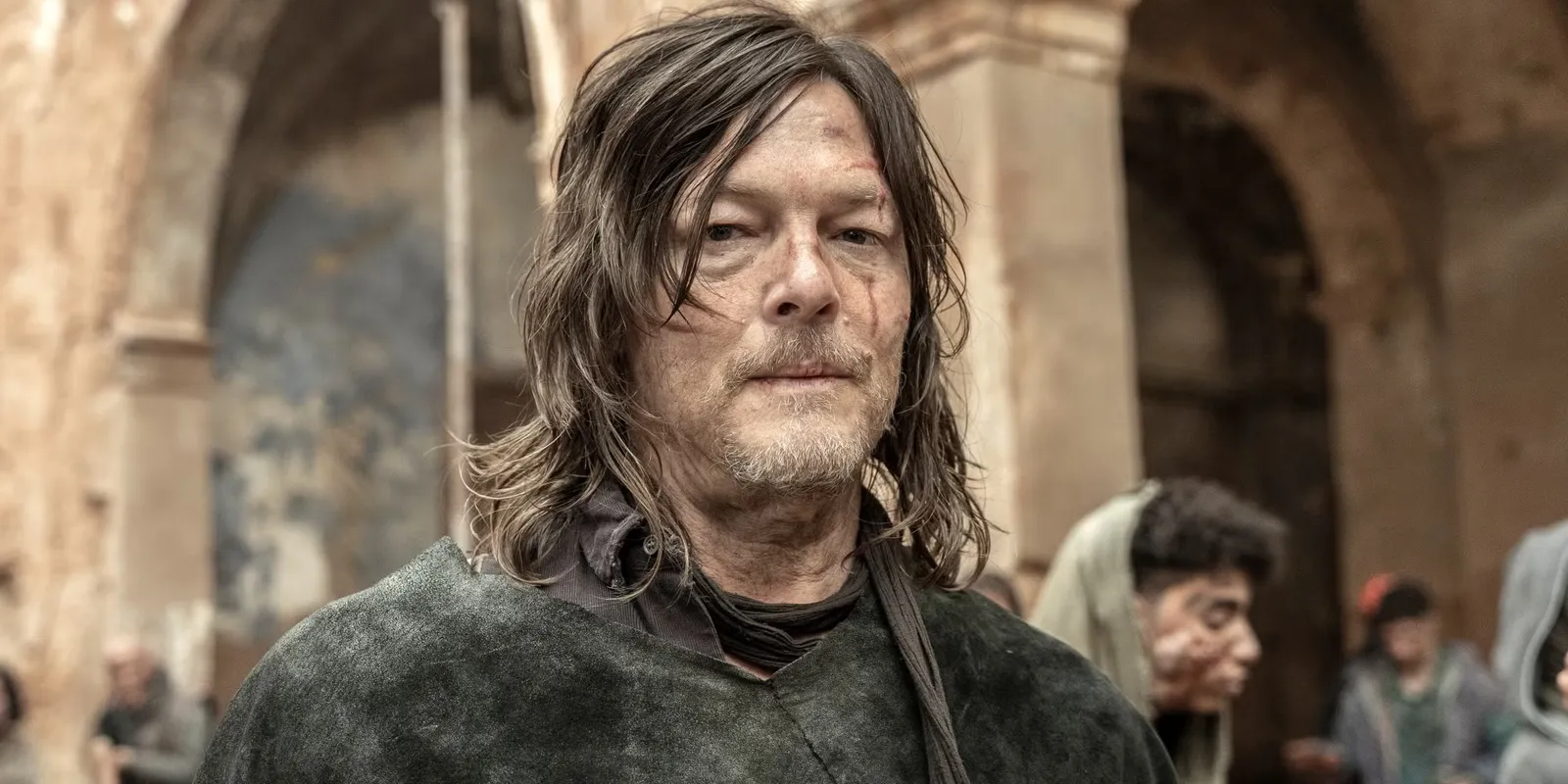
Norman Reedus exits The Walking Dead after 16 years as Daryl Dixon
A 16-season Daryl Dixon era ends, and it reshapes how TV studios hedge risk in long-running franchises.

“Leviticus” turns conversion therapy panic into romantic horror, inspired by gay-rights “regression”
Adrian Chiarella’s debut channels a specific fear: LGBTQ rights backsliding into coercion, then demonic pursuit.
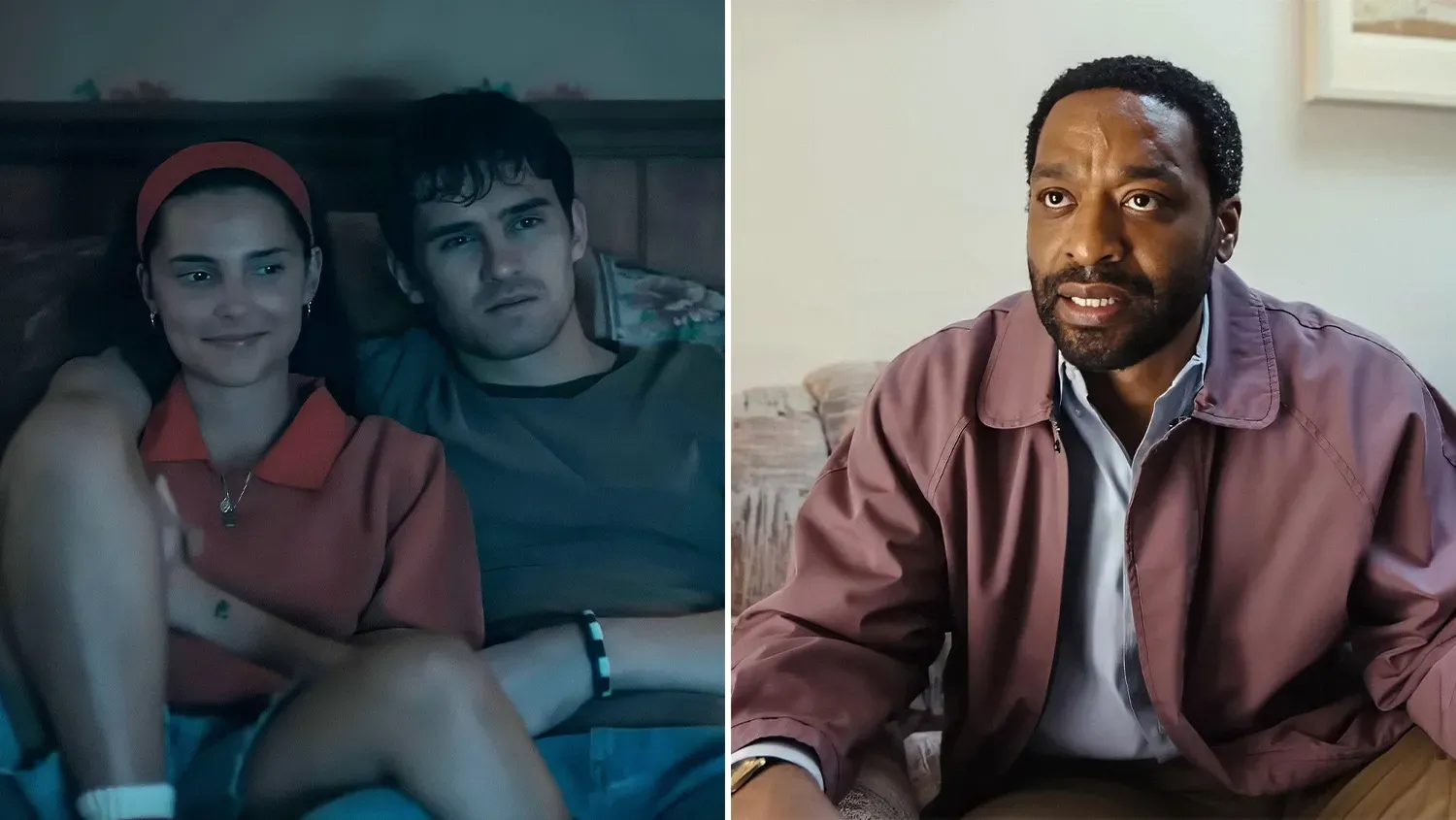
‘Obsession’ tops $300M worldwide for Focus Features as Focus goes back-to-back for hits
Curry Barker’s third Universal-Blumhouse-Atomic Monster movie clears $300M globally, while Mando and Baby Yoda “get lost” stateside in the Backrooms.