
John Humphrys on the night he was drunk during a live broadcast
The former BBC presenter details the professional fallout and personal reckoning that followed a major on-air incident.

Former BBC presenter John Humphrys released a new podcast discussing his early life in Cardiff, which includes details about a highly publicized incident involving alcohol during a live broadcast.
Former BBC presenter John Humphrys has released a new podcast detailing his upbringing in Cardiff, a conversation that touches on his professional life and includes a specific, highly publicized anecdote about his behavior during a live broadcast. While the podcast primarily focuses on his formative years and experiences growing up in the city, it inevitably brings up the professional stakes and personal challenges inherent in a career in high-stakes media. The discussion, therefore, serves as a candid look at the pressures of public life, the blurred lines between personal conduct and professional performance, and the lasting impact of moments of perceived indiscretion in the unforgiving spotlight of national broadcasting.
This new podcast offers a rare, unscripted look into the life of a veteran journalist, allowing listeners to hear his personal reflections on his journey from local life in Cardiff to the global stage of BBC journalism. The content is less about breaking news and more about the narrative arc of a career, offering insights into the cultural shifts within British media and the evolution of public broadcasting itself. For those tracking the media landscape, this provides a unique, anecdotal window into the mindset of a seasoned broadcaster, one who has witnessed the industry change dramatically from the days of traditional print and broadcast to the current streaming, digital-first environment. The stakes here are not financial, but reputational and cultural, concerning the perceived integrity and professionalism of the journalistic craft.
Humphrys's reflections on his early life in Cardiff provide a rich context for understanding the man who became a prominent figure in British media. The podcast allows him to share stories of his youth, which are foundational to understanding his later career trajectory. These stories, while seemingly personal, carry the weight of professional experience, as they frame the development of a public intellectual. The discussion naturally moves into the realm of personal accountability, a theme that resonates deeply with any high-profile professional, whether they are founders, operators, or thought leaders. The narrative suggests that even the most successful careers are built on a foundation of personal growth and the ability to navigate complex, sometimes messy, personal histories.
In the broader context of media ethics and public trust, the anecdotes shared by Humphrys-including the mention of the incident involving alcohol during a live report-serve as a powerful, if informal, case study. They highlight the immense pressure placed on journalists to maintain absolute composure and credibility, especially when reporting on high-stakes political events, such as the resignation of a major political figure like Nixon. The expectation of flawless performance in front of millions of viewers is a constant, invisible pressure that shapes the entire industry. This pressure is amplified in the modern era by the 24/7 news cycle, where the line between reporting and performance is constantly being tested.
For decision-makers in media, the takeaway is clear: brand integrity is the most fragile asset. A single lapse in judgment, whether personal or professional, can create a public relations crisis that is incredibly difficult to manage. The incident, as recounted, serves as a potent reminder that the public scrutinizes not just the facts presented, but the character of the person presenting them. This scrutiny extends far beyond the studio; it permeates social media, personal lives, and every public utterance. The stakes are the trust of the audience, and that trust is the ultimate currency in journalism and public communication.
Furthermore, the podcast's focus on Cardiff and Humphrys's roots grounds the discussion in a sense of place and identity. This local grounding is crucial because it humanizes the public figure, making his professional struggles more relatable. It suggests that the journey to professional eminence is rarely linear and often involves navigating significant personal and cultural shifts. For founders and operators building personal brands, this is a critical lesson: authenticity, even when flawed, often resonates more deeply than manufactured perfection. The public wants to see the struggle, the messy process, and the human element behind the polished professional facade.
Ultimately, the conversation about growing up in Cardiff and the professional anecdotes contained within it provide a masterclass in narrative control. Humphrys is not just recounting memories; he is curating a narrative of resilience. He is framing his professional challenges, including the drunken incident, not as failures, but as necessary parts of a complex, evolving story. This act of self-reflection and public narrative construction is, in itself, a highly valuable piece of executive education. It teaches that the way you tell your story-the framing, the emphasis, the omissions-is often more powerful than the story itself. The strategic implication for any leader is to manage their own narrative proactively, understanding that every personal detail, every past mistake, can become a potential headline, and thus must be accounted for in the overall brand strategy. The goal is to transform perceived weakness into perceived depth, turning a moment of vulnerability into a testament of survival and experience.
This story's Key Insights and Take-aways are locked.
Create a free account to unlock Executive Actions for one credit.
Register to UnlockAlways free for Executives Club members. Join the Club
More in Entertainment
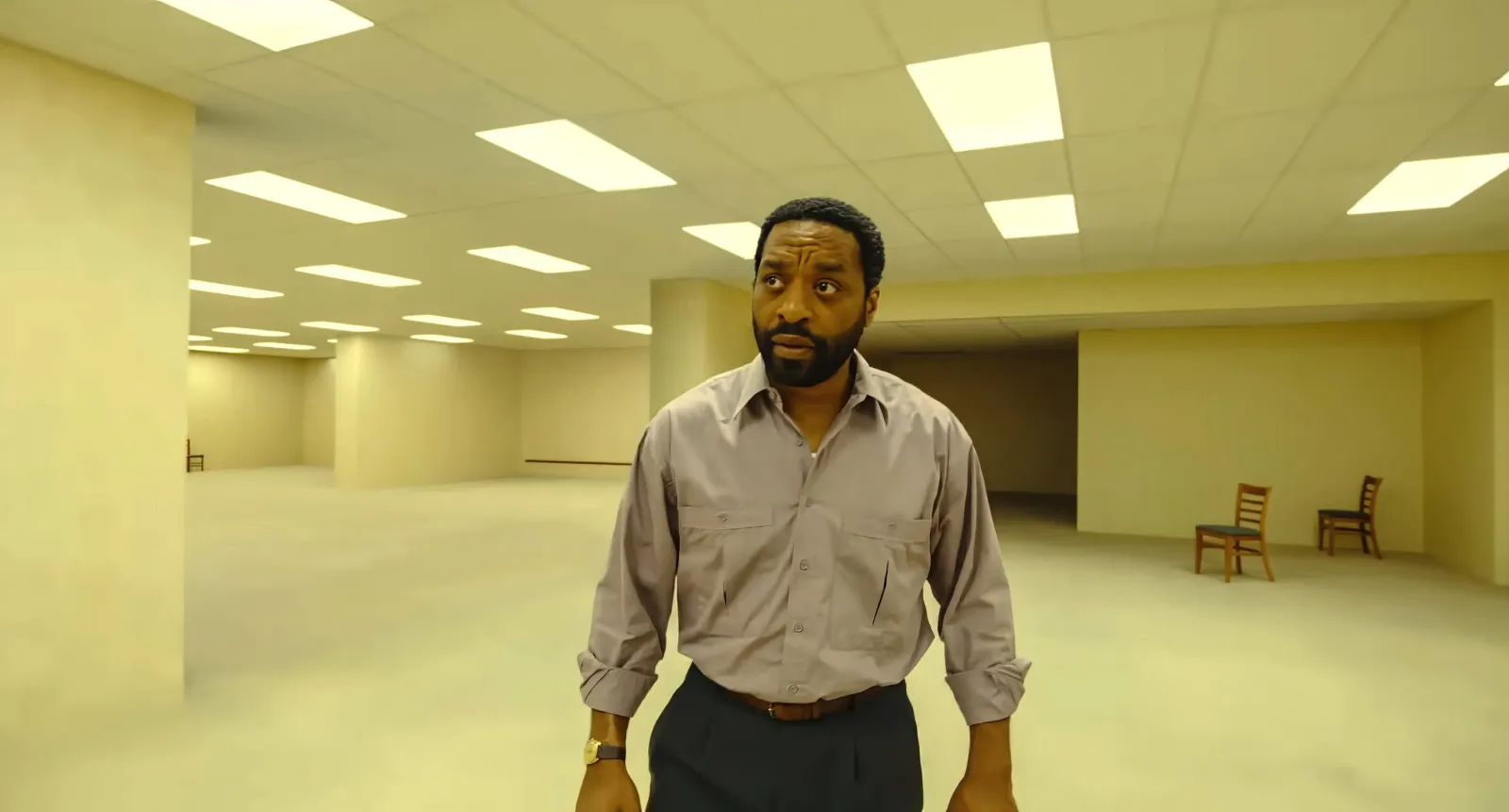
Backrooms hits $100 million in 6 days, and A24 just made history
The horror hit crossed a massive box office line faster than most arthouse films ever do, reshaping what A24 can do in theaters.

Adam Scott's horror movie just crashed Apple TV's domestic top 10
A newer horror release found instant streaming traction after a crowded box-office run, showing how fast digital windows can reset attention.

SAG-AFTRA locks in 4-year studio deal, with AI and pensions at stake
The performers' union just turned a tentative labor truce into a four-year contract that changes how Hollywood handles retirement security and generative AI.