

John Ternus has 8 days to fix Apple's AI lag before iPhone launch
Apple's new CEO inherits a catch-up AI race, a talent exodus to Meta, and a September 9 foldable iPhone debut.
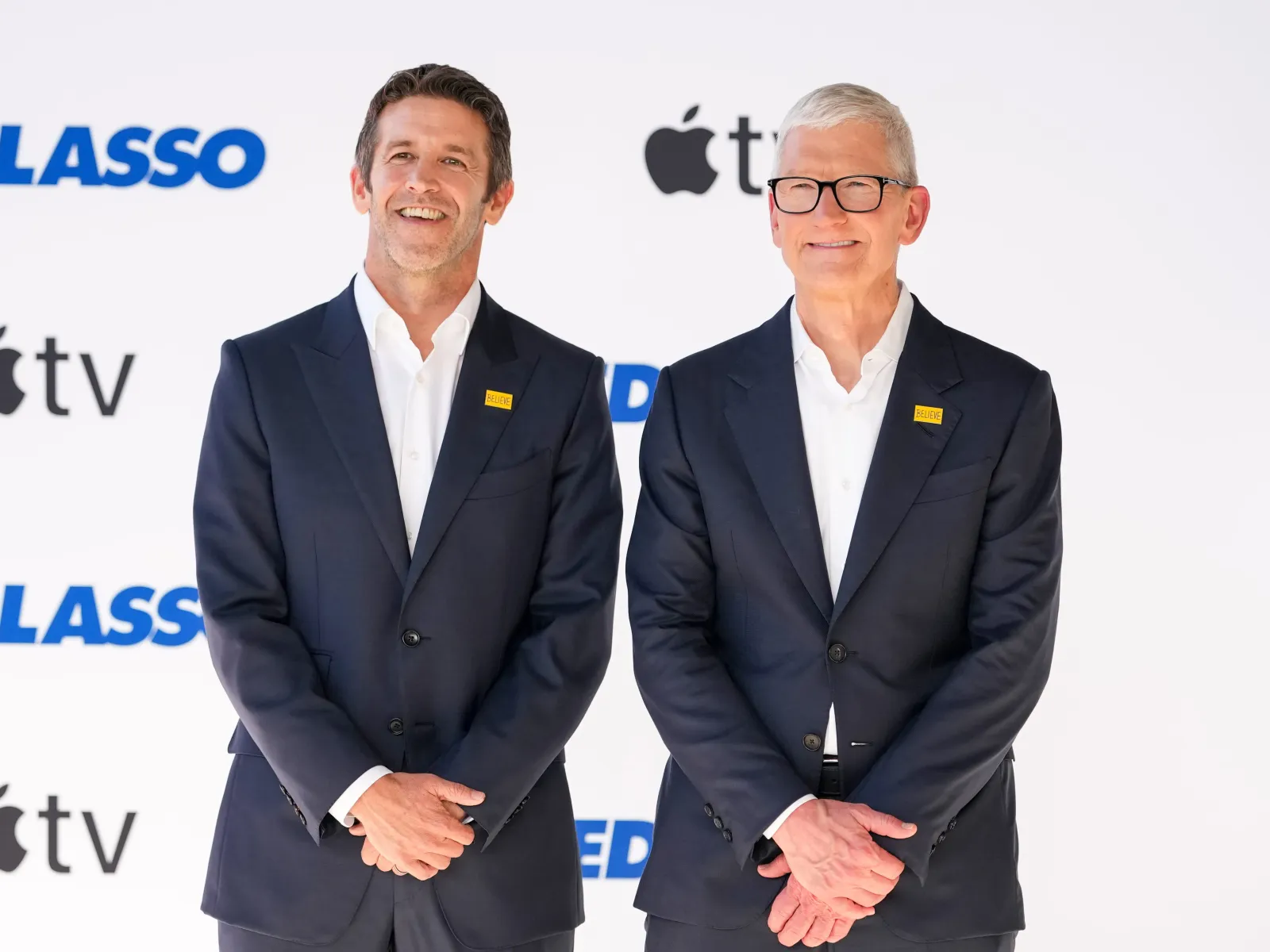
John Ternus takes over as Apple's CEO with eight days before the September 9 iPhone event, where a foldable iPhone is expected to headline. He inherits an AI catch-up game, a talent drain to Meta, and a geopolitical tightrope that Tim Cook will still help walk.
It's day one for John Ternus, and the clock is already ticking. Apple's new CEO has eight days before the company stages its annual iPhone event on September 9, where the reported headliner is Apple's first foldable iPhone. No pressure, then. The event is the kind of moment that defines a leadership tenure, and Ternus is walking into it with the shortest runway of any Apple CEO in recent memory.
But the foldable is only the opening act. Behind it sits the problem that will define Ternus' tenure: Apple's AI strategy. The company had a head start in the AI-assistant race, but it is now playing catch-up. Apple delayed its AI overhaul of Siri and turned to Google's Gemini for the next generation of Apple Intelligence. You can read that as a way to avoid paying Google-sized R&D bills. You can also read it as an admission of weakness. Either way, it is a strategic choice that Ternus now owns.
The people problem is just as acute. Apple has suffered a talent exodus, with foundation-models leader Ruoming Pang, engineering head Frank Chu, and design VP Alan Dye all leaving for the same rival: Meta. Meta has become something of an Apple alumni association. For a hardware man like Ternus, convincing Apple's best people that the future is still being built in Cupertino may be as important as any chip or hinge. The exodus is not just a loss of bodies; it is a signal about where the most ambitious AI work is happening.
Then there is the geopolitical tightrope. Tim Cook was pivotal in expanding Apple's presence in China and navigating tariffs and supply chain challenges by getting on President Donald Trump's good side. Cook is staying on as executive chairman, a role that includes engaging with policymakers around the world. That gives Ternus cover, but it does not give him a pass. Diplomacy is a different kind of engineering, and the stakes are enormous: Apple's supply chain and its access to the Chinese market remain central to its margins. For a CEO whose background is hardware, the shift to statecraft is a steep learning curve.
The product roadmap suggests Apple is not short on ambition. Reports point to an AI home hub, camera-equipped AirPods, smart glasses, and a robotic assistant. Apple has no shortage of places to put AI. It still has to make AI worth putting there, though. That is Ternus' problem, and it is a strategic one, not just a technical one. The company's AI assistant has lost ground to rivals, and the Gemini deal, while pragmatic, signals that Apple is willing to lean on a competitor for the core intelligence layer. That may be the right financial call, but it complicates the narrative of Apple as the company that builds the best integrated experience.
For other executives watching, the playbook is instructive. A new CEO inherits not just a product cycle but a set of expectations that were set by a predecessor. Ternus has eight days to settle in before the world judges his first big moment. The September 9 event will be a test of whether Apple can still surprise, and whether Ternus can turn a hardware showcase into a statement about Apple's AI future. The broader lesson is that leadership transitions in tech are no longer just about operational continuity; they are about convincing the market that you have a credible answer to the platform shift of the moment.
The deeper question is whether Apple can convert its installed base and its hardware design advantage into an AI story that feels native rather than borrowed. The talent departures to Meta suggest that the gravitational pull in AI research has shifted. For Ternus, the first eight days are about more than a launch. They are about signaling to employees, investors, and the industry that Apple's best days are not behind it. If the foldable iPhone lands well and the AI roadmap starts to look coherent, Ternus will have bought himself time. If not, the scrutiny will only intensify.
This story's Key Insights and Take-aways are locked.
Create a free account to unlock Executive Actions for one credit.
Register to UnlockAlways free for Executives Club members. Join the Club
More in Business
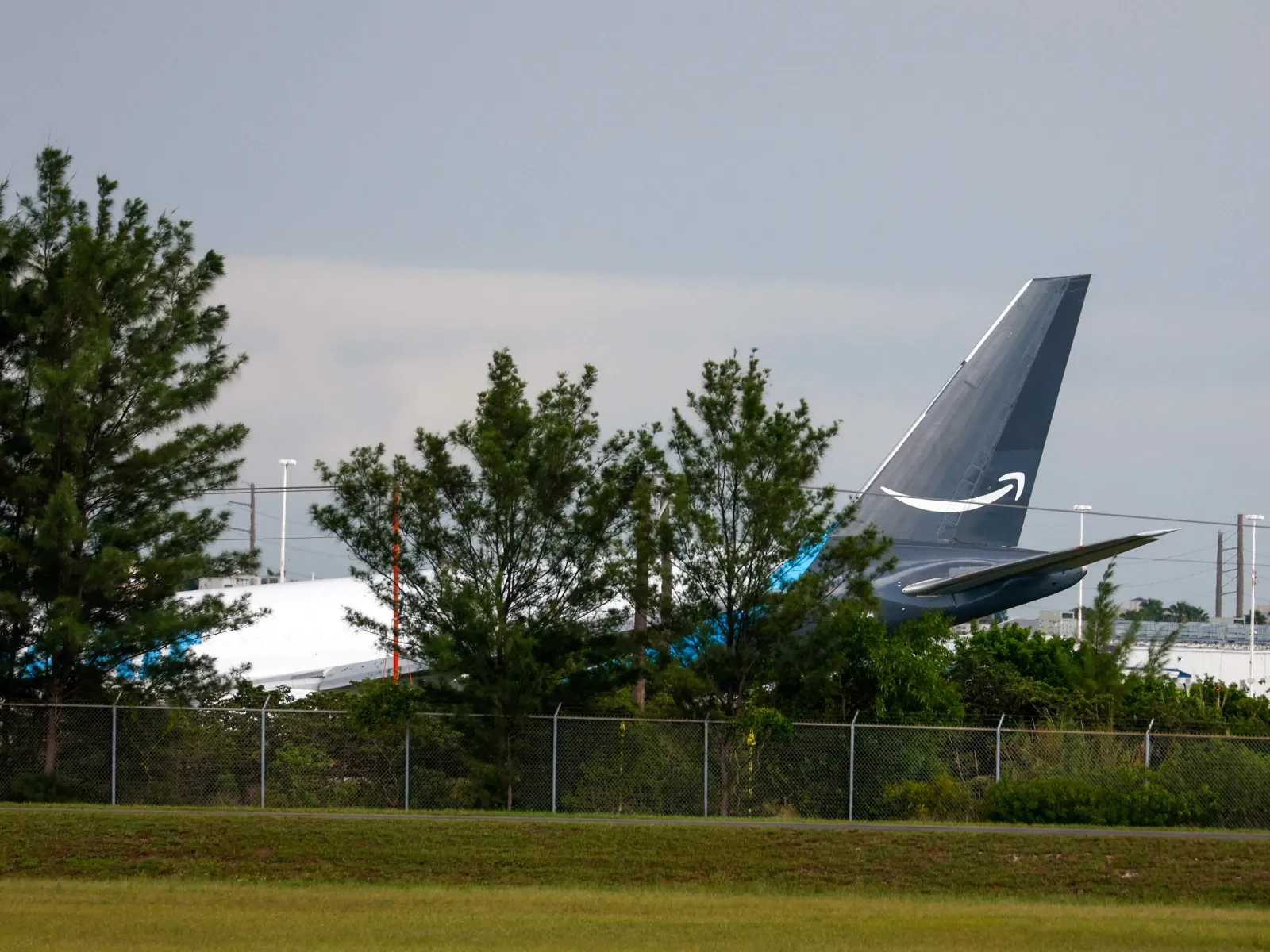
Amazon Prime Air 767 overshoots Miami runway, killing at least 5
The Boeing 767 freighter from San Juan struck vehicles and erupted in flames, prompting a ground stop and a fresh NTSB investigation into Amazon's air cargo network.

Death sentence for TV presenter Sarah Khalifa: Egypt's drug case hits media
The sentencing of Sarah Khalifa and 11 others underscores the severity of Egypt's anti-drug laws and the exposure of public figures to capital punishment.
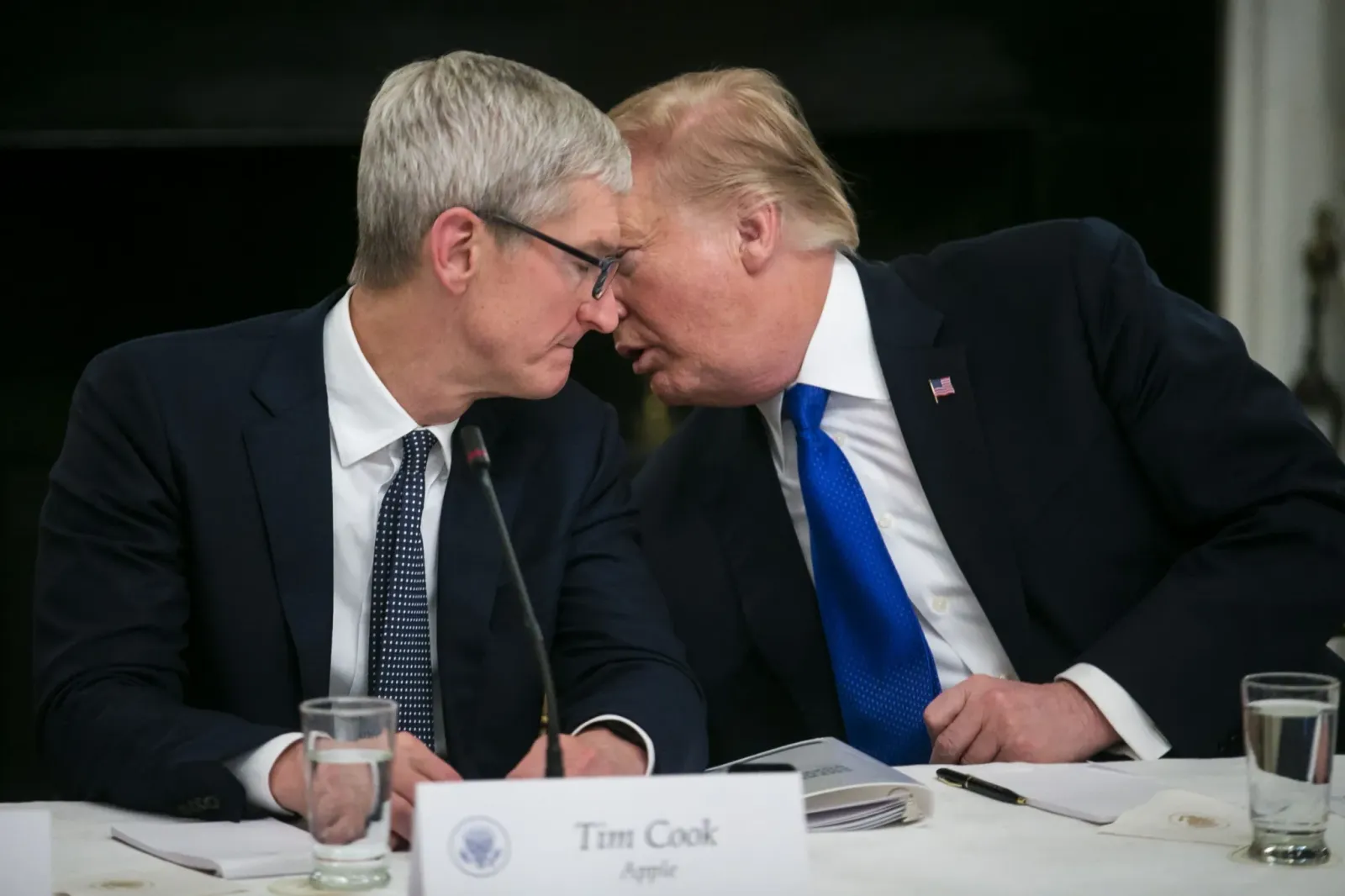
Tim Cook steps down as Apple CEO, stays on as chair with $45M equity
The 'Trump whisperer' keeps his White House and Beijing access as Apple navigates tariffs and a $4.6 trillion market cap.