
Keith Urban built a “flow state” studio lark into a yacht rock album, Flow State
The Grammy winner turned Nashville’s old Tracking Room Studio into Sound, then hired Dann Huff to make 70s covers feel like his own.

Keith Urban explains to Billboard how his “flow state” concept became the yacht rock covers album Flow State, available now. For executives, it’s a case study in how a creative experiment, the right producer, and smart constraints can turn into a coherent product.
Keith Urban didn’t start Flow State as a grand artistic pivot. He started it as a studio test.
In his conversation with Billboard, Urban describes how “What took me by surprise was how much it became my next album.” The trigger was practical: he bought the old Tracking Room Studio in Nashville and renamed it the Sound. He says it was “just to break in the studio,” then producer Dann Huff helped push what began as a fun lark into something fully packaged, guided, and release-ready. If you want the product lesson here, it’s blunt: experimentation is fine, but it only becomes value when someone with taste and structure catches the signal early.
Urban frames the whole project through a mental model he calls a “flow state,” and he uses it as both the album’s title concept and the emotional promise behind the songs. Asked what being in a flow state means to him, he answers, “It’s that beautiful dichotomy of completely present and completely lost to the moment,” where you’re “a participant and observer so perfectly balanced that you're neither.” Then he grounds that in the kind of listening experience his covers aim for: “Blue skies and a little bit of a breeze and no worries, man.” He adds, “We all want to have just a moment of exhale.”
That matters because Flow State is not just a catalog exercise. It’s 10 remakes of classic soft rock tunes from the ‘70s plus one original, “We Go Back,” and Urban is explicit about why the material fits: he chose songs “based on my vocal ability.” He calls out how hard it is to cover a style if the vocalist range does not line up. He references Kenny Loggins’ “range is insane,” Mike McDonald’s “range is insane,” and David Pack’s “range is insane” too. And his selection method is not vague fandom. He says he picked the Ambrosia track he “could sing,” specifically “How Much I Feel,” rather than “You’re the Only Woman.”
The album’s production choices also reveal a key second-order dynamic that boards and founders recognize fast: authenticity does not come from copying the brand. Urban says many tracks start close to the originals, but the goal was to “make it yours” without breaking the spine of the songs. He talks about Dann Huff pushing for that philosophy, including the moment where Huff told him, “I feel like I found one of the biggest missing pieces of how you make music.” Huff’s point, as Urban recalls it, was that certain melodic instincts he uses in yacht rock may already be “deeper in your DNA” than Urban realized. Urban credits that for why the genre “sounds so organic to what I do.” Translation for operators: if you can connect a new project to an existing strength, you get speed, not just novelty.
He also gets tactical about what fans actually hear. Urban says they treated arrangements like “bulletproof” foundations, the kind of work that already did the heavy lifting. He describes how some covers “start very much like the original and then you go off in your own direction,” and he highlights the structure of a classic soft rock record: long outros and fades where the guitarist can do something cool before it ends. Urban says he didn’t want those moments erased. He links that directly to his own past work, mentioning “Stupid Boy” and other songs with long outros that came from the session players using that late window creatively.
Then there is the collaboration strategy, which reads like a network map executed with precision. Urban explains how he landed Michael McDonald for the one original track, “We Go Back,” which he wrote during the pandemic with Breland, Sam Sumser and Sean Small, and which he imagined having McDonald on. Urban tells Billboard he called Darrell Brown first, asked if Brown thought it was something Michael might like, then asked Brown to call Michael. He emphasizes giving artists “every out” before an awkward position, but the response was immediate: McDonald said, “Send me the song, I'd love to hear it,” and then, “I love this. When do you need it?”
On the Stevie Nicks front, the story is even more revealing because it shows how celebrity participation can be both emotional and logistical. Urban includes Little Big Town on “Magnet & Steel.” He explains that Waddy Wachtel is a friend of his, plays in Stevie Nicks’ band, and Urban sent Wachtel the record. Wachtel then played it for Stevie, who texted Urban that she was “very angry that she wasn't asked to sing on the song with you.” Urban laughs at the moment and says it happened because Stevie originally sang that part on the original track, so she was hearing her own contribution reinterpreted. Urban’s takeaway is not a press release, it’s the reality of creative communities: feedback can be personal, delayed, and still arrive before your release moment is truly over.
Urban also describes how other original artists reacted once he chose their songs. David Pack heard that Urban cut an Ambrosia song and got in touch, leading to a call about “How Much I Feel” and a request for “On and On.” Urban later received a voice text from Stephen Bishop, saying, “Hey, man, that's an amazing version of my song.” Urban notes similar momentum with Robbie Dupree, who reached him through publisher Barry Coburn with a “Man. That's awesome. Thank you so much.”
Finally, Urban addresses omissions and future scope in a way that keeps the audience watching. He mentions he would have loved to include “What a Fool Believes,” but he doesn’t sing like Michael McDonald. He also says he’d like to have done Toto’s “Rosanna.” On volume two, he says “100%” if people like the record and if there’s any reason to do a second one, he already has the 10 songs picked out, while calling out notable omissions like Christopher Cross and Kenny Loggins. For executives, the strategic stake is simple: Flow State is a blueprint for turning one constraint into a brand system. Start with a real need, build a durable production process with a producer like Dann Huff, choose material based on what you can execute, and use collaborations to expand credibility. Urban’s “exhale” is the emotional product, but his operating method is the real story.
This story's Key Insights and Take-aways are locked.
Create a free account to unlock Executive Actions for one credit.
Register to UnlockAlways free for Executives Club members. Join the Club
More in Entertainment

Oscar buzz hunts 'Obsession' as Curry Barker's breakout horror hits $19M
Academy voters and Hollywood gatekeepers face a new problem: a YouTuber-driven hit is rewriting awards-season math.
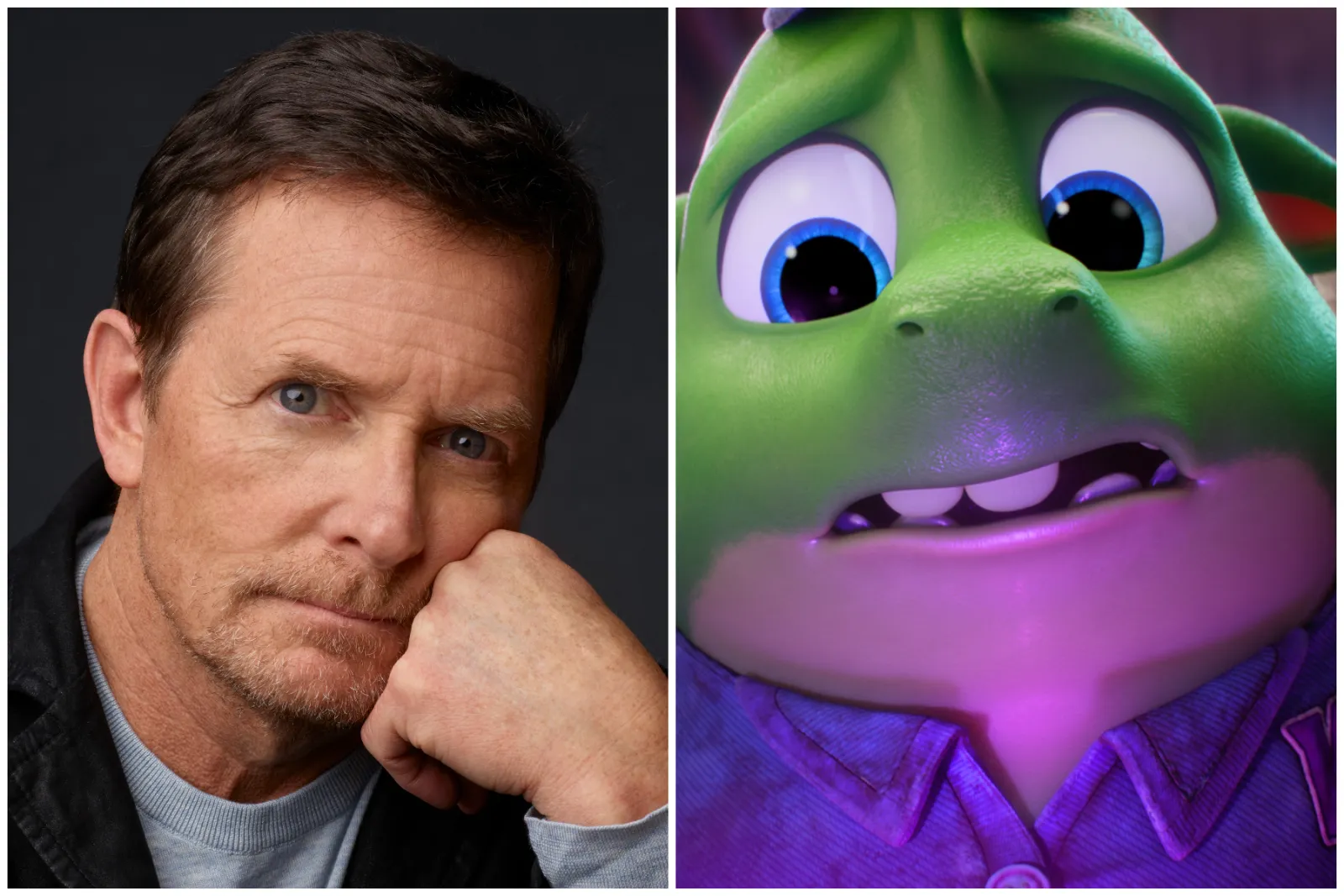
Michael J. Fox voices Dougie in Icon’s CG “Dragoons” animated feature
A celebrated actor joins a new CG studio project where a normal worker’s dragon transformation hinges on his apprentice.
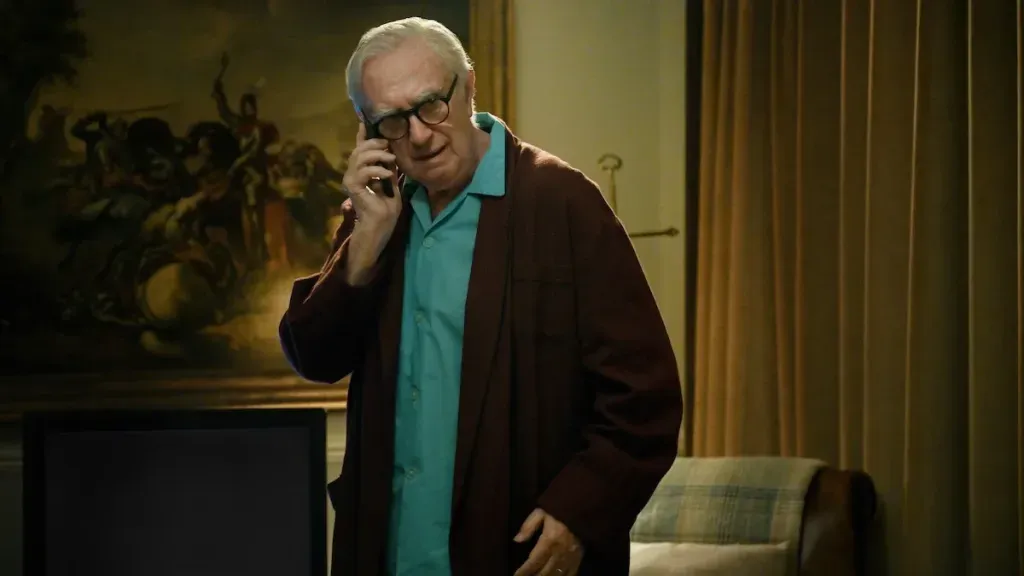
Jonathan Pryce says dementia makes “Slow Horses” easier: “You’re free of the past.”
The actor explains how playing David Cartwright’s dementia shifted workload, portrayal choices, and the season’s key payoff.