
Lego's Pokémon bricks turn Pikachu into a battle machine
The toy giants are using motion-sensitive Lego tech to make Pokémon sets feel more like interactive training, raising the bar for premium play.
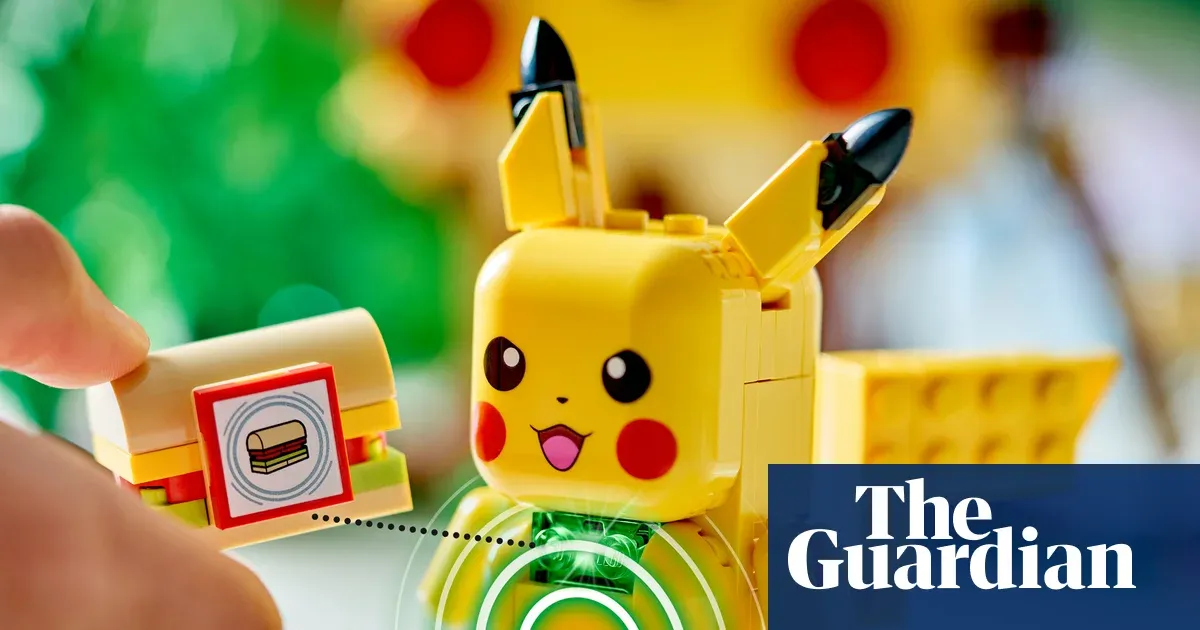
Lego and Pokémon have teamed up on new hi-tech play sets, including motion-sensitive "smart" bricks that add sound effects and flashing lights to battles. For executives and brand builders, the move shows how two blockbuster franchises can extend pricing power by turning nostalgia into a more interactive, higher-margin experience.
Lego has brought Pikachu to life for the first time, and the point is not just that the yellow mascot now exists in brick form. The bigger reveal is that these new Pokémon sets use Lego's motion-sensitive "smart" bricks, the same kind of tech that can trigger sound effects and flashing lights when paired with different sets. In plain English: this is not a static build-and-display toy. It is built to react, which is exactly why the collaboration is being framed around interactive battles.
That matters because the hook for both brands is deeper than simple merch. The Guardian describes the tie-up as a meeting of two blockbuster toy brands, and the promise is that fans can "feel like the trainer." That is a powerful retail idea. Pokémon already sells a fantasy that is half collecting, half competition. Lego already knows how to charge for elaborate, premium play systems. Put them together and you get something aimed at fans who do not just want to own Pikachu, they want the set to do something. That is the business logic behind the sound effects, the flashing lights and the battle framing: make the toy more alive, then make it feel worth more.
For Lego, the collaboration fits a broader pattern the company has leaned into for years. The Danish toy maker has increasingly used licensed properties to keep its sets relevant across age groups, while also layering in features that move the product beyond basic bricks. Motion-sensitive "smart" bricks are the latest example of that playbook. They let Lego turn a familiar building experience into something that behaves more like a game. And in a market where kids and adults alike have endless screen-based entertainment competing for attention, a toy that responds, lights up and sounds different depending on the set has a sharper pitch than a pile of ordinary bricks. It gives Lego another way to justify premium positioning without abandoning the core product.
For Pokémon, the strategic value is just as clear. The franchise has spent decades expanding from games and trading cards into movies, collectibles and consumer products. A Lego version of Pikachu extends that ecosystem into a format that rewards display, customization and replay. The dream being tapped here is not abstract. Many Pokémon fans, as the source puts it, secretly fantasise about being a trainer, and these sets are trying to narrow the distance between the fantasy and the toy box. If you can build the character and then watch the bricks respond in battle-like sequences, the product becomes more immersive. That is not a minor cosmetic tweak. It is a way to turn fandom into a more interactive spending experience.
There is also a pricing and portfolio angle executives will recognize immediately. Licensed collaborations from major brands usually work best when they create reasons for consumers to trade up. A standard toy can be substituted. A limited, branded, tech-enhanced set is harder to shrug off. The combination of Lego plus Pokémon plus smart-brick effects gives the companies multiple layers of justification: recognizable IP, construction play, and interactive features. Each layer helps defend the shelf price. In a toy aisle full of competing characters and rapidly shifting trends, that kind of stacked value proposition is exactly what premium consumer brands chase.
The wider significance is that this is what modern toy strategy looks like when the goal is to stay culturally sticky. The old formula was simple: take a popular character and put it on a box. The newer formula is more demanding. A successful tie-up now has to feel native to both brands, offer something beyond a logo swap, and create enough novelty that people want to share it, collect it or rebuild it. Lego's motion-sensitive bricks do a lot of that work for Pokémon because they add spectacle without changing the basic appeal of either franchise. The bricks still look like Lego. The character is still Pikachu. But the interaction layer changes the whole pitch.
For founders, operators and brand teams, the lesson is that the best partnerships do more than borrow attention. They create a product experience the original brands could not easily make on their own. Here, Pokémon gets a more tactile trainer fantasy, and Lego gets a way to push its smart-brick technology into one of the most powerful toy franchises in the world. If this model lands, expect more premium crossovers that blend nostalgia, hardware-like features and franchise power into a single upsell. In other words: the toy box is getting smarter, and the brands that can make play feel interactive are the ones most likely to keep winning space, spend and obsession.
This story's Key Insights and Take-aways are locked.
Create a free account to unlock Executive Actions for one credit.
Register to UnlockAlways free for Executives Club members. Join the Club
More in Entertainment
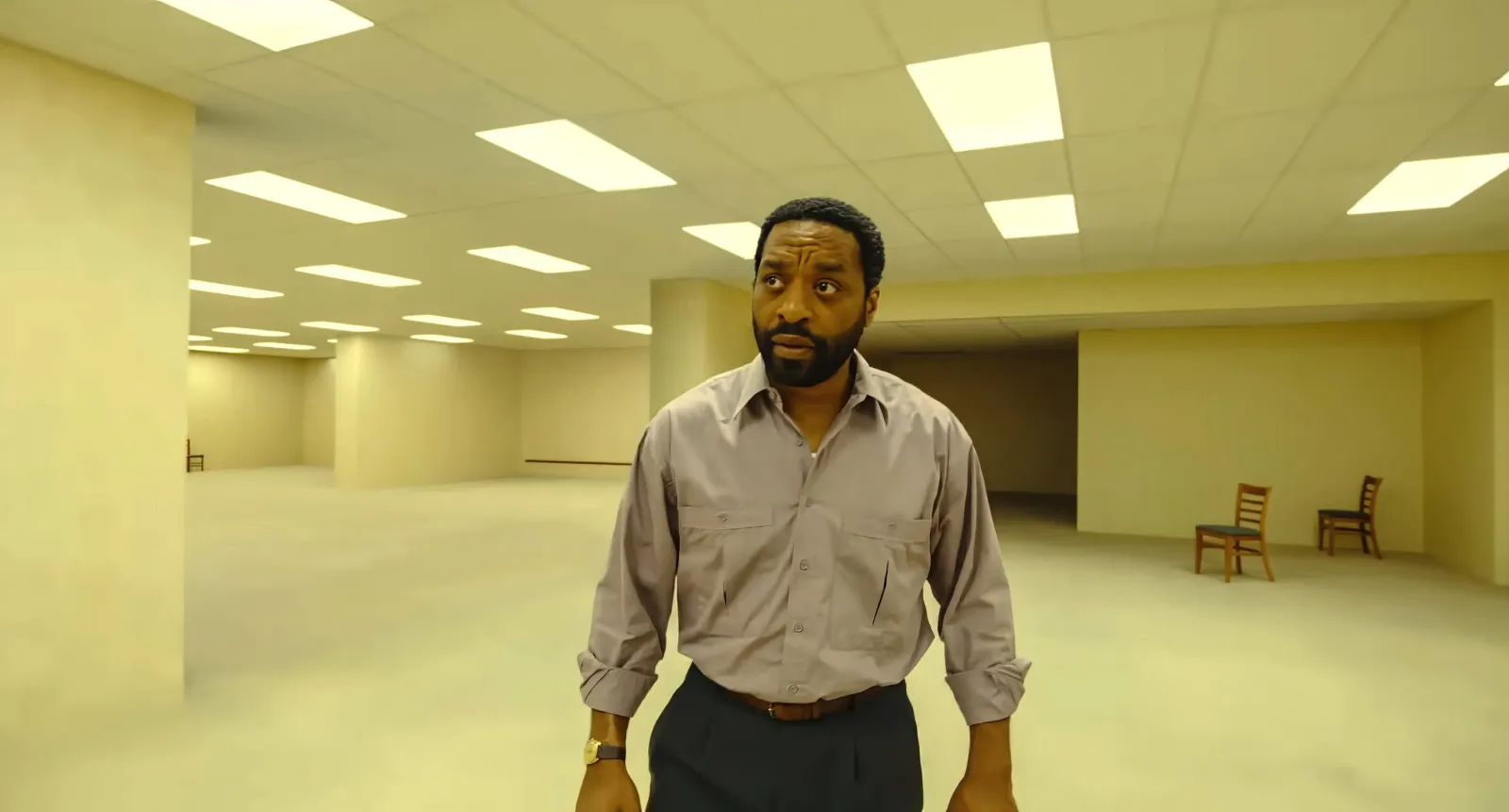
Backrooms hits $100 million in 6 days, and A24 just made history
The horror hit crossed a massive box office line faster than most arthouse films ever do, reshaping what A24 can do in theaters.
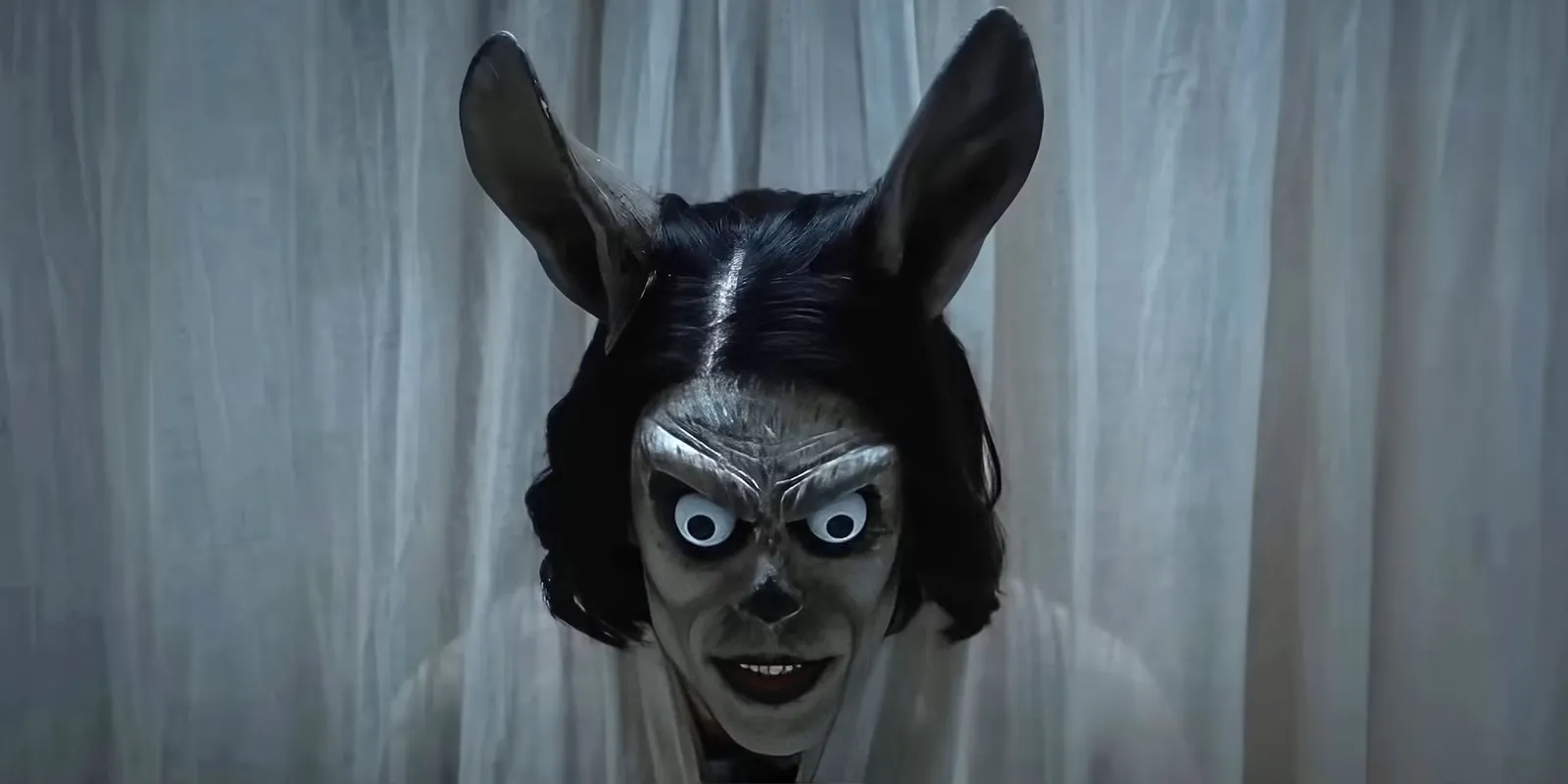
Adam Scott's horror movie just crashed Apple TV's domestic top 10
A newer horror release found instant streaming traction after a crowded box-office run, showing how fast digital windows can reset attention.

SAG-AFTRA locks in 4-year studio deal, with AI and pensions at stake
The performers' union just turned a tentative labor truce into a four-year contract that changes how Hollywood handles retirement security and generative AI.