
Mexico-South Africa pulls 20M+ viewers, shattering FIFA opening-game records
The tournament starts with a runaway ratings win across Telemundo, Peacock, Fox, and Tubi, plus huge 2022 lift.

FIFA’s World Cup kickoff delivered over 20 million viewers for the Mexico-South Africa match, with Spanish-language coverage leading across Telemundo, Peacock, and Telemundo Deportes’ digital platforms, and English-language viewership spread across Fox, Fox One, and Tubi. For decision-makers, the performance rewrites the early-market demand picture for 2026-era rights, ad inventory, and streaming measurement in both languages.
FIFA’s World Cup is off to a ratings start that is hard to ignore: the Mexico-South Africa matchup brought in over 20 million viewers across platforms, according to live-plus-same-day Nielsen figures reported by TheWrap. The game scored 13.4 million viewers across Telemundo, Peacock and Telemundo Deportes’ digital platforms for Spanish-language coverage. English-language coverage totaled 7.19 million viewers across Fox, Fox One and Tubi.
The numbers also come with record-setting claims that frame this as more than a one-off win. Mexico’s victory over South Africa marked the most-watched FIFA World Cup opening game in history, regardless of language, and the most-watched men’s FIFA World Cup opening game in Spanish-language television history. TheWrap also reports that Spanish-language viewing rose 229% over the kickoff to the 2022 game, signaling a step-change in momentum rather than a small bump. On the English side, the opening match became the most-watched FIFA men’s World Cup opening match in English-language U.S. history, with an additional caveat: it is also the most-watched FIFA men’s World Cup match in English-language U.S. history when excluding the U.S. men’s national soccer team group stage games.
What makes this especially consequential for executives is the distribution. This is not a single-channel story where one broadcaster carries everything. The match is being consumed across a mix of traditional TV and streaming and digital offerings: Telemundo plus Peacock plus Telemundo Deportes digital for Spanish-language audiences, and Fox plus Fox One plus Tubi for English-language audiences. That matters because it shows World Cup demand can travel across the modern TV stack, at a time when rights holders, networks, and streaming platforms are constantly negotiating what counts as reach and what drives retention.
The source’s viewership comparisons underline that this is about acceleration. The match’s viewership was up 150% from the 2022 FIFA Men’s World Cup opening match on Fox Sports 1. When you pair that with the 229% Spanish-language jump versus the 2022 kickoff, you get a clear message: early tournament games are not just “good enough,” they are expanding the audience envelope. For boards and leadership teams, that is the kind of signal that can shift internal debates about pacing, ad load, and how much inventory to commit early versus holding back for later knockout rounds.
There is also a measurement and business-incentive angle hiding in plain sight. TheWrap cites live-plus-same-day Nielsen figures, which are often used as a baseline for how broad audiences respond in the immediate window after airing. Executives watching streaming and digital growth usually ask a second question: does the additional audience from digital platforms cannibalize linear, or does it create incremental reach? This report does not answer that directly. But the fact that the Spanish-language total spans Telemundo, Peacock, and Telemundo Deportes digital at 13.4 million, alongside an English-language total of 7.19 million spanning Fox, Fox One, and Tubi, suggests a multi-screen ecosystem rather than one isolated viewing habit.
Now layer in the regulatory and policy backdrop that typically surrounds big international sports events. While TheWrap’s piece is focused on viewership, FIFA World Cup distribution in the U.S. generally involves complex rights arrangements and platform agreements, plus compliance around advertising, scheduling, and content delivery. Even without detailing those contracts here, leaders should take note of what high-performing openings can do to the leverage in future negotiations. If early matches draw record audiences across both language segments, networks and streamers have stronger evidence to justify pricing, exclusivity terms, and cross-platform packaging.
For decision-makers in media, the strategic stakes are immediate. Ad buyers care about scale and audience composition, while platform teams care about demonstrated mass-market adoption that can reduce the fear of “audience fragmentation.” Record claims, like the most-watched opening game in FIFA World Cup history and the most-watched men’s matches across language-specific U.S. history (with the stated exclusion for U.S. group stage games), are not trivia. They become ammunition in budget meetings: to defend spending on marketing, to argue for premium ad placements, and to justify technical investment in delivery reliability.
Finally, there is a competitive clock running behind all of this. If FIFA is generating this kind of early demand, it changes the bargaining posture of every player in the ecosystem, from broadcasters to digital services to advertisers trying to time campaigns against peak attention. In plain terms: a strong kickoff can lift expectations across the entire tournament runway, and that can ripple into how teams plan content, sales, and measurement for what comes next. The Mexico-South Africa opening is already rewriting what “baseline success” looks like in the U.S. for both Spanish-language and English-language World Cup coverage.
This story's Key Insights and Take-aways are locked.
Create a free account to unlock Executive Actions for one credit.
Register to UnlockAlways free for Executives Club members. Join the Club
More in Entertainment

Saudi unveils Qiddiya’s National Tennis Centre: 30 courts, 33,000 seats
A new Populous-designed arena aims to pull global tournaments to Qiddiya and build a Saudi tennis pipeline from grass roots to elite.
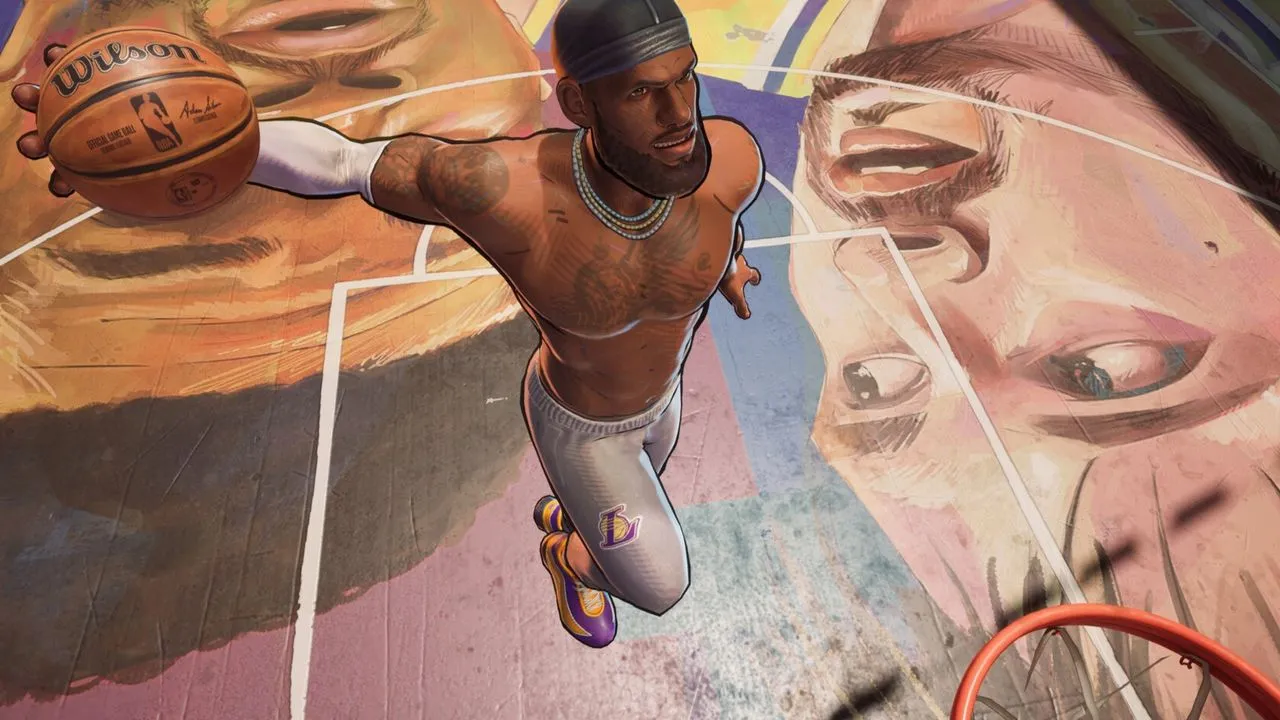
NBA The Run nails street-style highlights, then sabotages them with an over-sweaty squad grind
Steam last week, 3-on-3 squads feel chaotic without communication, until solos finally let the arcade joy breathe.

Devil Wears Prada sequel crosses $1B worldwide as Disney readies Toy Story 5 record run
The 20th Century Studios sequel is in week seven with $676M global and $217.9M domestic, pushing the franchise past $1B.