
Michael Truell told Cursor to cancel meetings and build its own AI model
The Cursor CEO’s “emergency” over Anthropic Claude’s momentum forces a high-stakes pivot with SpaceX risk attached.
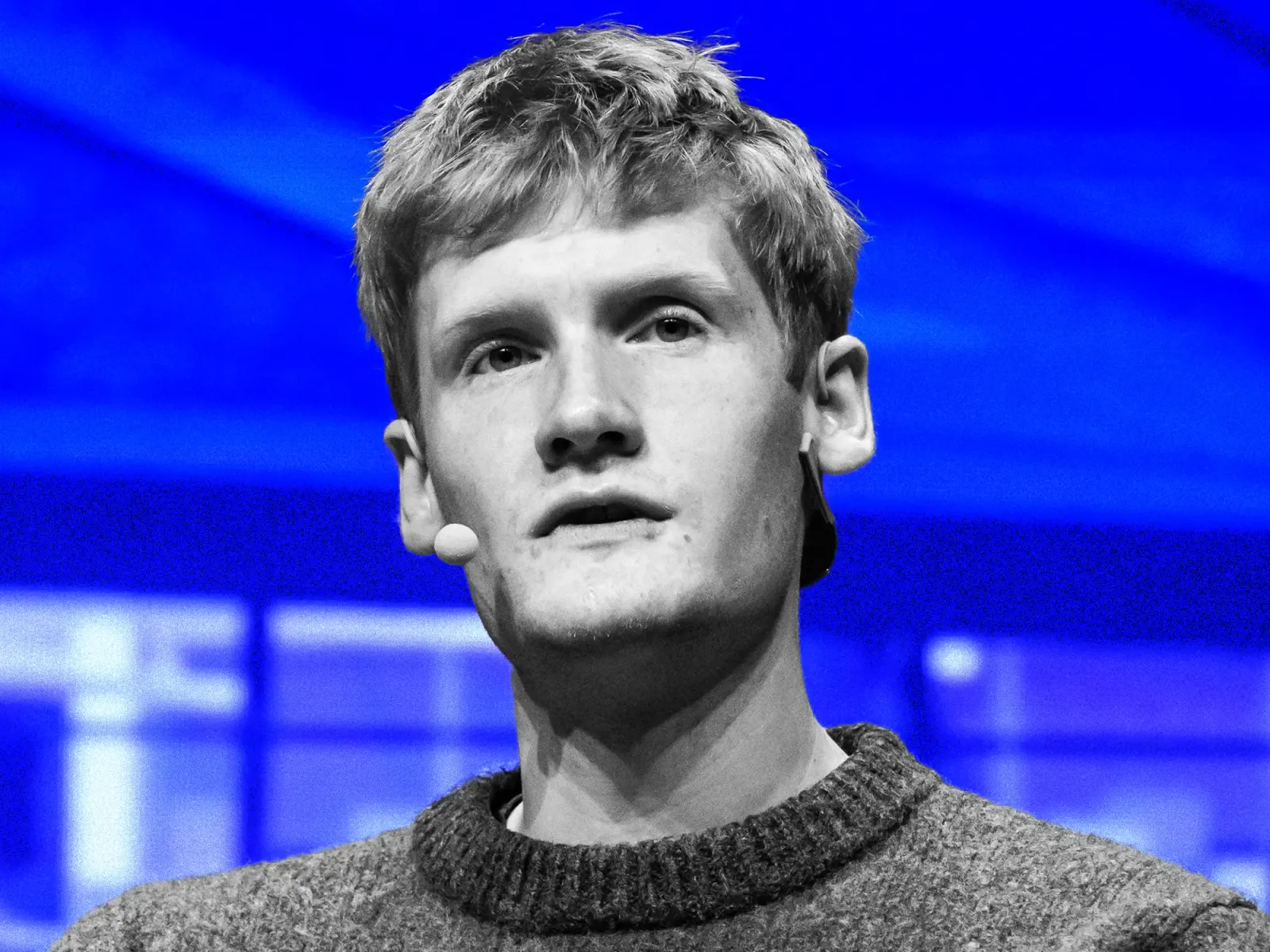
Cursor CEO Michael Truell triggered an “emergency” all-hands on January 5 and told employees Cursor needed to build its own AI model. The pivot reflects rising dependence risk on Anthropic, even as Cursor explores a potential $60 billion sale to Elon Musk’s SpaceX.
Michael Truell has a reputation for being quiet, monk-like, and intensely hands-on. On January 5, though, the Cursor CEO stopped being quiet enough for comfort. An employee described an “emergency” all-hands where Truell announced Cursor needed to build its own AI model, and that the message was “clear,” according to two employees: don’t get left behind.
This wasn’t a vague strategy refresh. It was an operational command: Cursor would cancel all unnecessary meetings, and employees “may be tapped” to help. That matters because Cursor’s entire product engine is built on Anthropic models, and the company has been facing a very specific threat. Anthropic’s own coding tool, Claude Code, took off with developers, and by February 2026 its run-rate revenue had grown to $2.5 billion, about $500 million more than Cursor’s at the time, as first reported by Bloomberg. When developers begin posting that they are canceling Cursor in favor of Claude Code, the “vendor risk” category stops being theoretical and becomes a revenue deadline.
To understand why this pivot is so sharp, look at the relationship Cursor and Anthropic have had. They are highly interdependent, and employees described it as “weird.” Cursor relies heavily on Anthropic’s AI models, while Anthropic has benefited enormously from Cursor’s explosive growth. One employee familiar with the numbers said Cursor accounted for roughly 40% to 50% of Anthropic’s revenue at one point. Another employee said the logic was simple on both sides: “We’re making Anthropic a ton of money,” while Anthropic also had a competitive product. That tension can be survivable when the vendor’s internal roadmap moves slowly. It gets dangerous when the vendor ships a tool that developers treat as a substitute.
Cursor did not just wake up and decide it had a problem. Employees said concerns were already high after Anthropic cut off Windsurf, another AI coding startup, during Windsurf’s acquisition talks with OpenAI. Then Claude Code accelerated the pressure. The day Cursor leaders felt the dependence issue might turn into dependency was not subtle, either. Ahead of releasing Claude Code, Anthropic executives privately reassured Cursor leadership that the product was “more of a research effort than a major commercial push,” according to a person familiar with the discussions. But Claude Code quickly took off with developers, and the momentum started to show in how people used their subscriptions and workflows.
Strategically, Truell’s emergency makes sense because it lines up with how Cursor runs the business. Inside Cursor, it’s well-known that Truell didn’t pay himself for the first few years. He also has long harbored “generational” ambitions for Cursor, telling staff he wants it to become a generational company. That drive comes from a past that is almost too on-the-nose for a company built around code speed. As a teen, he co-built Halite, a coding game centered on conquering the universe, and in college his team took on Microsoft in a coding effort and won. Cursor’s culture mirrors that intensity, including hiring practices where candidates go through multi-day, unpaid “work trials” that can stretch on for weeks so Cursor can find the “right fit.” The company’s bar is high enough that at least one former employee said Cursor declined to hire a management-level candidate after a monthlong work trial where the person met virtually every member of the team.
This culture can become an advantage during a fast pivot. It can also raise governance questions for boards and investors: unpaid work trials are criticized as “exploitative and unethical” by one person on Reddit, and former employees described instances like a late-night email asking them to show up at 9 a.m. the next day. Even if the board believes the signal is worth it, an AI-model buildout is the kind of project that forces every policy tradeoff into the open. You need talent. You also need legitimacy. And if the pivot involves expanding workloads quickly, board oversight becomes less optional.
Then add the wild card that makes this story feel like a real-time AI arms race: Elon Musk’s SpaceX. Cursor’s CEO is tied to SpaceX’s AI push through a potential $60 billion sale, described as a potential deal Cursor inked to sell to Elon Musk’s SpaceX. SpaceX has billions of dollars in computing power, and it is “desperately trying to win the AI race.” Cursor declined to comment, and Anthropic and SpaceX did not respond to requests for comment. Still, employees and executives have been building a reality where Cursor’s fate is closer to Musk’s newly IPOed SpaceX than to any calm, predictable vendor roadmap.
For decision-makers at other AI-native companies, the second-order lesson is brutal: when your product depends on a single AI provider, the competitive risk is not “maybe someday.” It can become measurable in run-rate numbers, subscription cancellations, and developer forum posts. Truell’s January 5 emergency shows how fast leadership has to move once the vendor starts shipping substitutes. If you’re an operator or investor staring at your own stack, the question is no longer whether a dependency exists. It’s how quickly you can operationalize a contingency that is complex enough to change your culture, your hiring funnel, and your capital needs before your customers quietly switch.
Cursor is now in the middle of that contingency, and Truell’s biggest test is not just technical. It is whether partnering with Musk pan out, while the company races to avoid being “left behind” by its supplier. In the AI era, the boardroom version of a code compile is time. Cursor is pressing run.
This story's Key Insights and Take-aways are locked.
Create a free account to unlock Executive Actions for one credit.
Register to UnlockAlways free for Executives Club members. Join the Club
More in Business
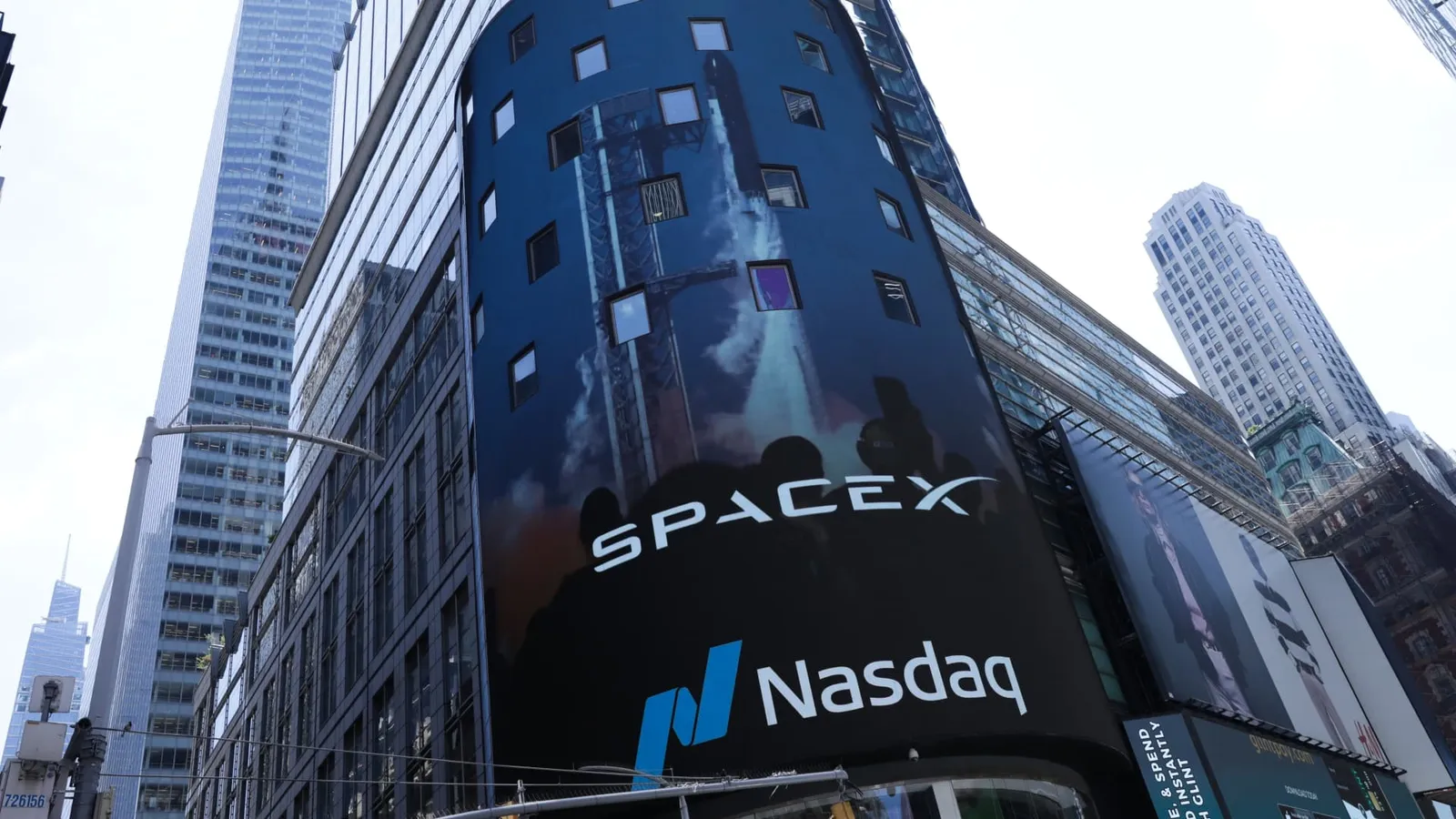
SpaceX jumps 6% in premarket, valuing the company at $2 trillion+ after its debut
The stock’s first-day surge pushes SpaceX past $2 trillion, reshaping how investors and regulators think about private space risk.

Mena construction CPMI slips 12% in April 2026, but execution momentum rebounds to 1.01
GlobalData’s April CPMI shows resilience masking pre-execution caution, with conflict risk surfacing unevenly by country and sector.

Zhipu rockets higher while Minimax fades, splitting China AI stocks’ momentum
The rally and the stumble in Zhipu and Minimax show how fast capital rotates in China’s AI names.