
Old Apostolic Lutheran abuse victims described repeating the assault cycle across generations
ProPublica reports court records and interviews show forgiveness doctrine and silence helped harm spread in OALC.
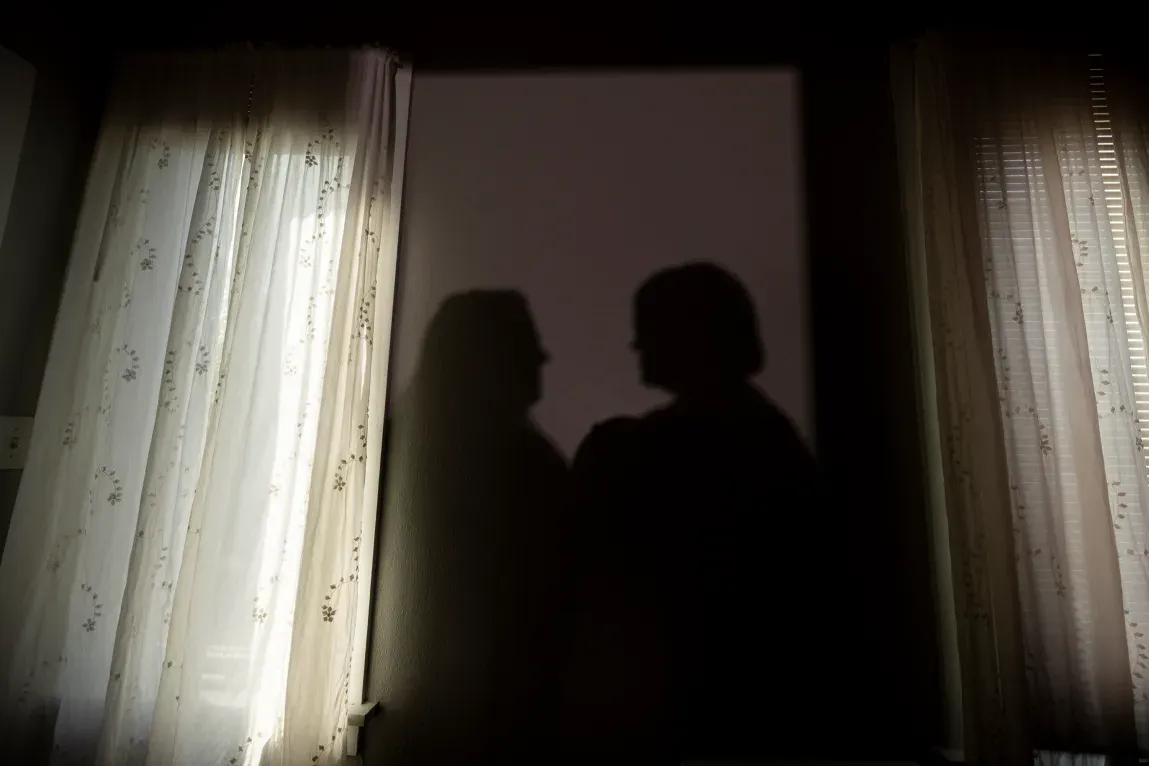
ProPublica, with the Minnesota Star Tribune, investigated child sexual abuse in the Old Apostolic Lutheran Church and interviewed 20 former members plus families of victims. The reporting documents a recurring pattern where some victims repeated abuse, with leaders allegedly failing to report allegations and doctrines encouraging “forgive and forget.”
Growing up in the Old Apostolic Lutheran Church, Lynn and Katherine say the danger did not come from outsiders. It came from family members inside their home, and both describe how they later repeated abuse against younger children.
Lynn, now an adult, told ProPublica she was still in diapers when the abuse started. She says older siblings later told her they saw one of her brothers touching her; she says they told their mother, but their parents did nothing. She says the abuse continued until he was 16 and she was 10. Katherine, also now an adult, said she was about 2 when abuse began for her, and she says it involved a different brother who she says had been abused as well. Then the cycle turned inward: when she was 10, Lynn says she took her younger brother out behind a shed and pulled his pants down, and Katherine says she was 5 when she abused a nephew.
This story is not just about individual trauma. ProPublica and the Minnesota Star Tribune have investigated child sexual abuse in the Old Apostolic Lutheran Church over the past year, interviewing 20 former members who said they were sexually abused and examining police and court records. Collectively, they describe a culture of normalized sexual abuse across North America and multiple generations. Reporters found that some victims were encouraged to forgive abusers, and church leaders who were told of alleged abuse failed to report it to authorities, according to current and former members who said a religious doctrine helped keep the behavior going unchecked.
That “culture” piece matters for anyone sitting in risk, compliance, or governance roles, because normalized harm is often harder to detect than overt wrongdoing. If alleged abuse is treated as a spiritual misunderstanding instead of a legal and protective issue, the organization gets a built-in incentive to minimize, delay, and contain. The source describes that familiar, suffocating silence: minimized, forgiven, and swept away. In the sisters’ accounts, the pattern repeated not only through what happened to them but through how the community responded, leaving children without safety and adults without a clear reporting path.
ProPublica also includes an expert perspective to connect the dots between victimization and later conduct. Victor Vieth, a former prosecutor who now trains child-abuse investigators nationwide, said that if you have a culture of child sexual abuse where people look the other way, brush it off, and forgive quickly without true repentance, it can contribute to sexual behavior problems in children, including kids sexually assaulting others. The point is not destiny. It is mechanism. When children are taught that abuse is something to forgive and bury, they may internalize scripts of harm rather than learn boundaries and coping tools.
The article gives two adult-case examples that show how the legal system intersects with early harm. One is Clint Massie, who pleaded guilty to four counts of sexual conduct with victims under 13 in Duluth, Minnesota, in 2024, and is currently serving nearly eight years in prison. ProPublica reports that in a videotaped interview, Massie said that by his teenage years, he had already been touched in a sexual manner by relatives and described it as a routine part of childhood. When investigators pressed for details, he described conduct with other children using explicit language, then became visibly shaken and raised his voice. When asked about whether it had an “imprint” on his brain, he said, softly, “I imagine it probably did, yeah.”
In another case, also in Minnesota, a church member went to police in January 2023 and confessed that he inappropriately touched his daughter and fondled his young son in his bed, then forced them to perform sexual acts. Documents in his criminal case, as reported by ProPublica, say he sought out investigators because he “does not want it to happen anymore.” He pleaded guilty to sexual assault charges. At sentencing, the judge noted that the man and his siblings, who grew up in the church, were also victims of sexual abuse as children, adding that “faith didn’t help stop that.” The judge also said that if he had not turned himself in, the pattern could have continued, with “The kids would have just kept a secret, until it caused problems for them in their lives as adults.”
Meanwhile, Lynn and Katherine describe the emotional aftershock of leaving the church. They say they left about 20 years ago and sought therapy, trying to break with a community that shaped their family for generations. Lynn told ProPublica that instead of teaching life skills and coping mechanisms, “it was always forgive and forget.” She described it as “umbrella forgiveness,” where it doesn’t matter what happens if you forgive it. Katherine, for her part, said she struggled with unresolved anger and the way religious teaching made that anger feel like “sinning” and “the devil.” Their accounts include a second-order accountability dilemma: Lynn said that until recently she had not talked to her brother about what she did to him, partly because she worried that doing so could traumatize him. She said she wants to take responsibility and, if necessary, go to jail because “what we’re all doing here is not working.”
For executives and board members, the strategic stake is simple and uncomfortable: when an organization’s norms punish reporting, reward secrecy, or treat disclosure as spiritual failure, harm can propagate across time. ProPublica’s reporting suggests a chain reaction where silence, forgiveness doctrine, and alleged non-reporting can leave victims without protection and give future generations the wrong model of what “normal” looks like. The question for leaders of any community is not whether the past was complicated. It is whether the systems in place now can prevent the next generation from learning the lesson by experience.
This story's Key Insights and Take-aways are locked.
Create a free account to unlock Executive Actions for one credit.
Register to UnlockAlways free for Executives Club members. Join the Club
More in Politics

Iran war risks swallowing Trump’s presidency, and Obama’s warning keeps haunting the strategy
A potential Middle East escalator could dominate US politics, markets, and alliance management for years, not months.
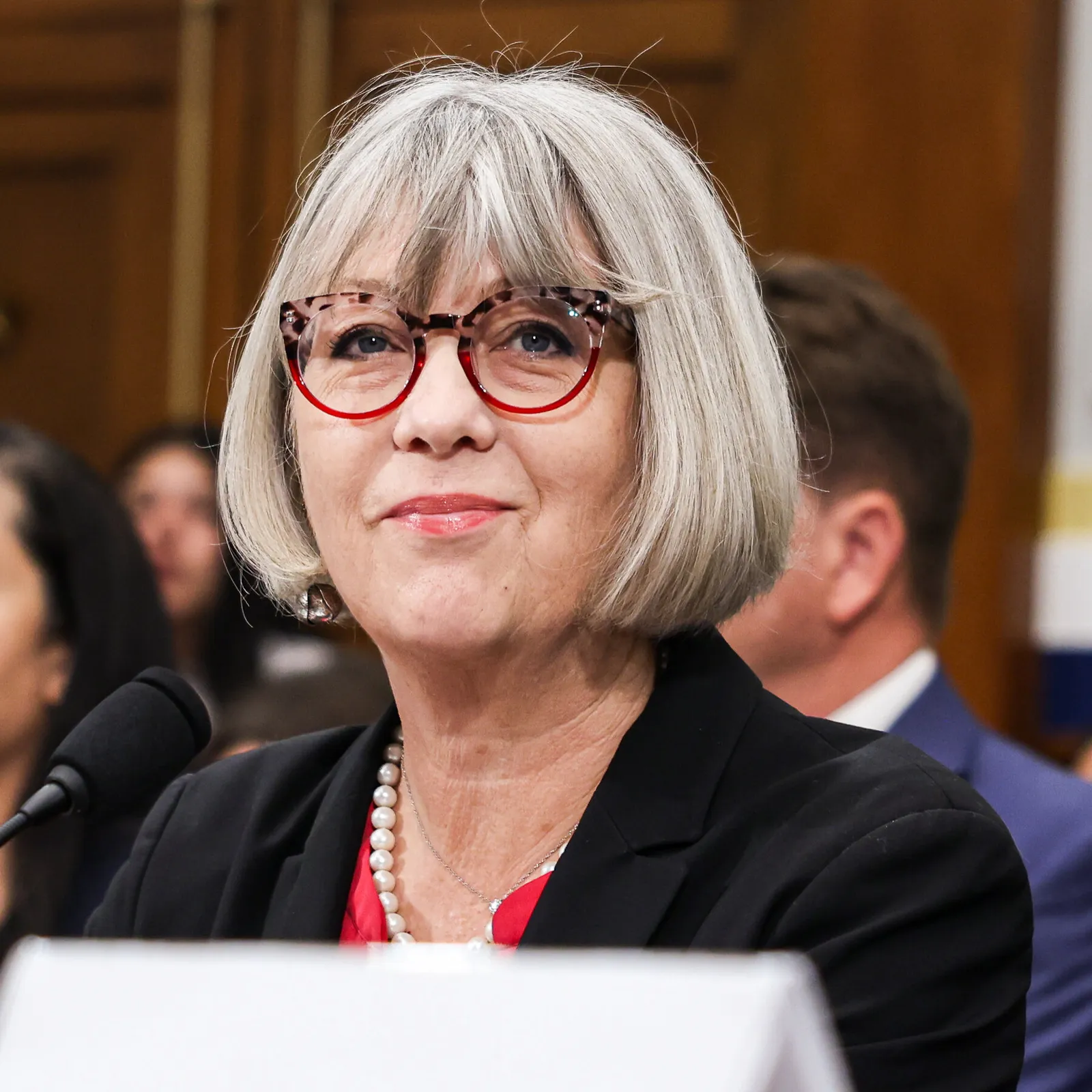
House subcommittee blasts Smithsonian’s American History director after White House “patriotism” report
A White House report called the museum insufficiently patriotic. Now lawmakers are putting the museum director on the hot seat.
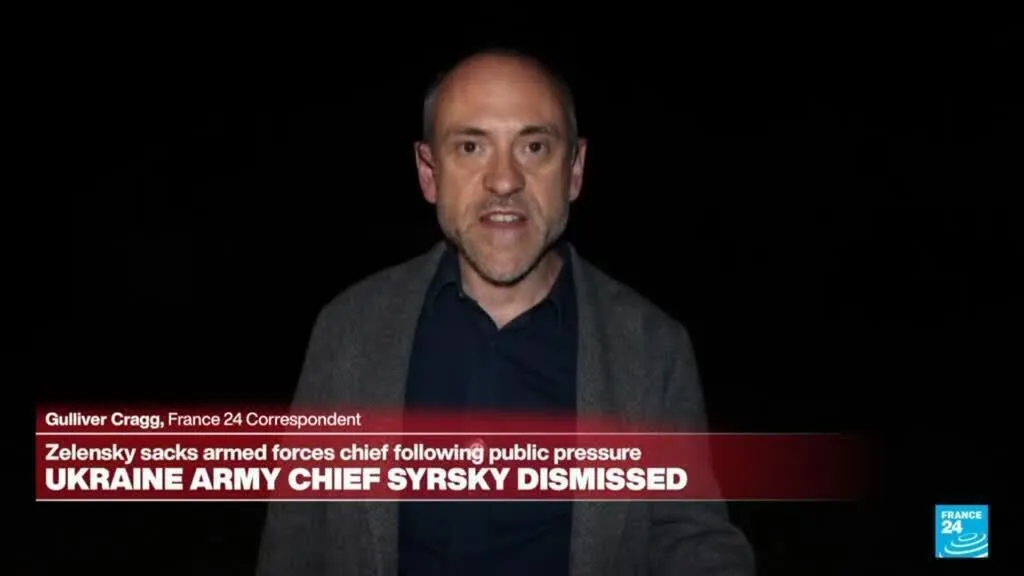
Zelensky fires Oleksandr Syrsky, appoints Mykhailo Drapaty as commander-in-chief
A sudden leadership shake-up follows street protests, with Zelensky replacing a Soviet-trained top commander.