
Poncle “reviewing” Fortnite crossover after Epic confirmed gen AI in Fortnite art pipelines
The indie studio says it is pausing plans for a Fortnite collab after Epic detailed how it uses generative AI in skin and asset work.
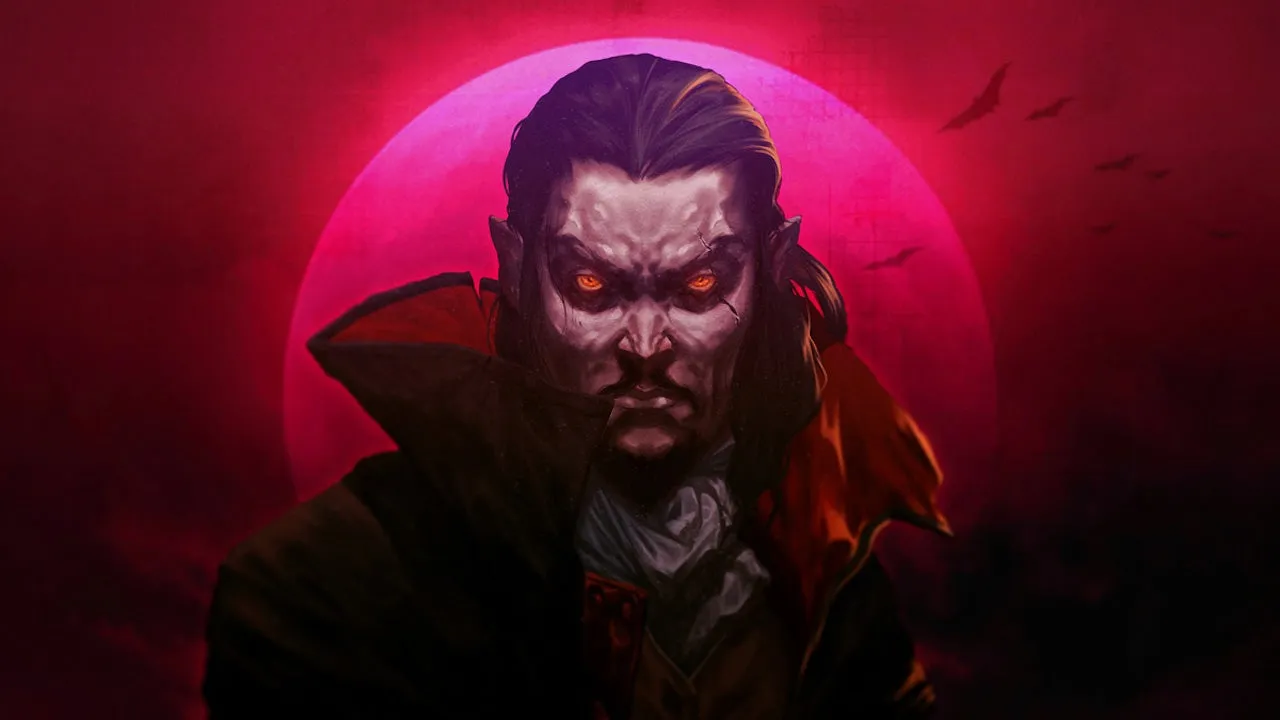
Poncle, the developer behind Vampire Survivors, is “reviewing” its Fortnite collaboration plans after Epic Games confirmed it uses generative AI tools in Fortnite’s art and design process. For executives and investors, it signals that even consumer-friendly IP deals may get riskier as AI content workflows become a reputational and production-management issue.
Poncle says it is “reviewing” its Fortnite collaboration plans, after Epic Games confirmed it now uses generative AI tools in Fortnite’s art and design pipeline. In a message posted to reddit, the Vampire Survivors studio told fans, “Following today’s news about gen AI usage by Epic to create all sorts of game assets, including Fortnite characters, we’re currently ‘reviewing’ our collaboration with Fortnite. We’ll let you know if anything moves forward.” The immediate question is not whether Fortnite can make AI content. It is whether the tone and trust around that content will spill onto partner studios in public-facing crossovers.
The pivot comes from an Epic behind-the-scenes video showing how Fortnite’s team uses generative AI prompts to adjust hand-drawn designs for character skins and art assets during the concept phase. Epic’s process is described as using AI to turn sketches into more detailed designs and to experiment with alternative versions of artwork, such as shifting a daylight scene into a night-time version. But the video also showed AI introducing errors or unwanted additions that then had to be corrected by hand. That detail matters because it links AI usage to the exact kind of “why does this look off?” moments players discuss when assets ship.
This is not happening in a vacuum. Epic also doubled down on generative AI inside its broader Unreal Engine roadmap. In yesterday’s State of Unreal livestream, Epic offered a glimpse at upcoming Unreal Engine 6 capabilities and demonstrated how the updated engine will broadly incorporate generative AI tools to iterate and build upon 3D environments. Unreal Engine development lead Marcus Wassmer wrote in an accompanying blog post that, “For UE6, we see LLMs, generative AI models, and tools like Claude and Codex playing a central role in helping you build content faster while maintaining the creative control you need.” For decision-makers, that is the real through-line: Epic is not treating AI as a one-off marketing experiment. It is positioning AI as part of the next production workflow.
So why would Poncle pause a potentially lucrative crossover? The source frames it as enthusiasm being “impacted” after Epic’s news, and it puts Poncle in the crosshairs of a trust and identity question. Vampire Survivors built its audience around a clear creative vibe and a reputation for practical game design rather than flashy automation. When a headline like “gen AI usage by Epic to create all sorts of game assets, including Fortnite characters” hits, fans do not just see technology. They see what they perceive as values. The source notes Poncle’s message has received praise from Vampire Survivors fans, with comments suggesting the indie roguelike should “now distance itself from Epic.”
At the same time, Fortnite is already a known quantity when it comes to public-facing AI usage. The source points out that Fortnite has publicly featured AI generation for some time, including a chatty recreation of Darth Vader that could reply to players with the voice of James Earl Jones. That means Poncle’s hesitation is not about discovering Fortnite uses AI. It is about what Epic’s confirmation changes in perception when AI is positioned as a core part of art and design asset creation. In other words, partner studios are not reacting to AI in isolation. They are reacting to the idea of AI moving closer to the craft layer, not just the gameplay layer.
The internet reaction described in the source is mixed, and that mix is part of the strategic risk. Epic’s public discussion of AI usage has drawn criticism, including criticism tied to the context of devastating staff cuts that saw around 1,000 staff members laid off. Others suggested Epic is acknowledging the reality of changing game development amid growing AI usage across the industry. For boards and leadership teams, this is the governance problem hiding in plain sight: AI adoption decisions do not only affect output and cost. They become part of the company narrative people attach to labor, quality, and authenticity. When partners like Poncle announce they are “reviewing” a collaboration, it tells you how quickly that narrative can travel.
The second-order implication is that cross-promotional deals in games, especially when they involve character skins and art assets, may increasingly be treated like brand alliances, not just distribution. Epic’s ability to iterate faster with AI is a production advantage, but the source shows that AI can also add errors or unwanted additions that humans must fix. That means production pipelines can still carry quality control burden, and any visible mismatch can become a community flashpoint. If fans believe the workflow is degrading assets, partners with strong fan trust may feel pressure to separate themselves before the controversy reaches their own IP.
For executives at game studios, middleware companies, and platform partners, the Poncle pause is a warning shot with a simple lesson: the market is moving toward AI-assisted content creation, but the partner ecosystem will decide what is acceptable. Epic is leaning in with Unreal Engine 6 and generative tools, and Poncle is leaning back, at least temporarily. Whether Poncle proceeds or walks away, “reviewing” is already a signal that AI workflow transparency can reshape deal dynamics, not just render times.
This story's Key Insights and Take-aways are locked.
Create a free account to unlock Executive Actions for one credit.
Register to UnlockAlways free for Executives Club members. Join the Club
More in Entertainment

Norman Reedus exits The Walking Dead after 16 years as Daryl Dixon
A 16-season Daryl Dixon era ends, and it reshapes how TV studios hedge risk in long-running franchises.

“Leviticus” turns conversion therapy panic into romantic horror, inspired by gay-rights “regression”
Adrian Chiarella’s debut channels a specific fear: LGBTQ rights backsliding into coercion, then demonic pursuit.
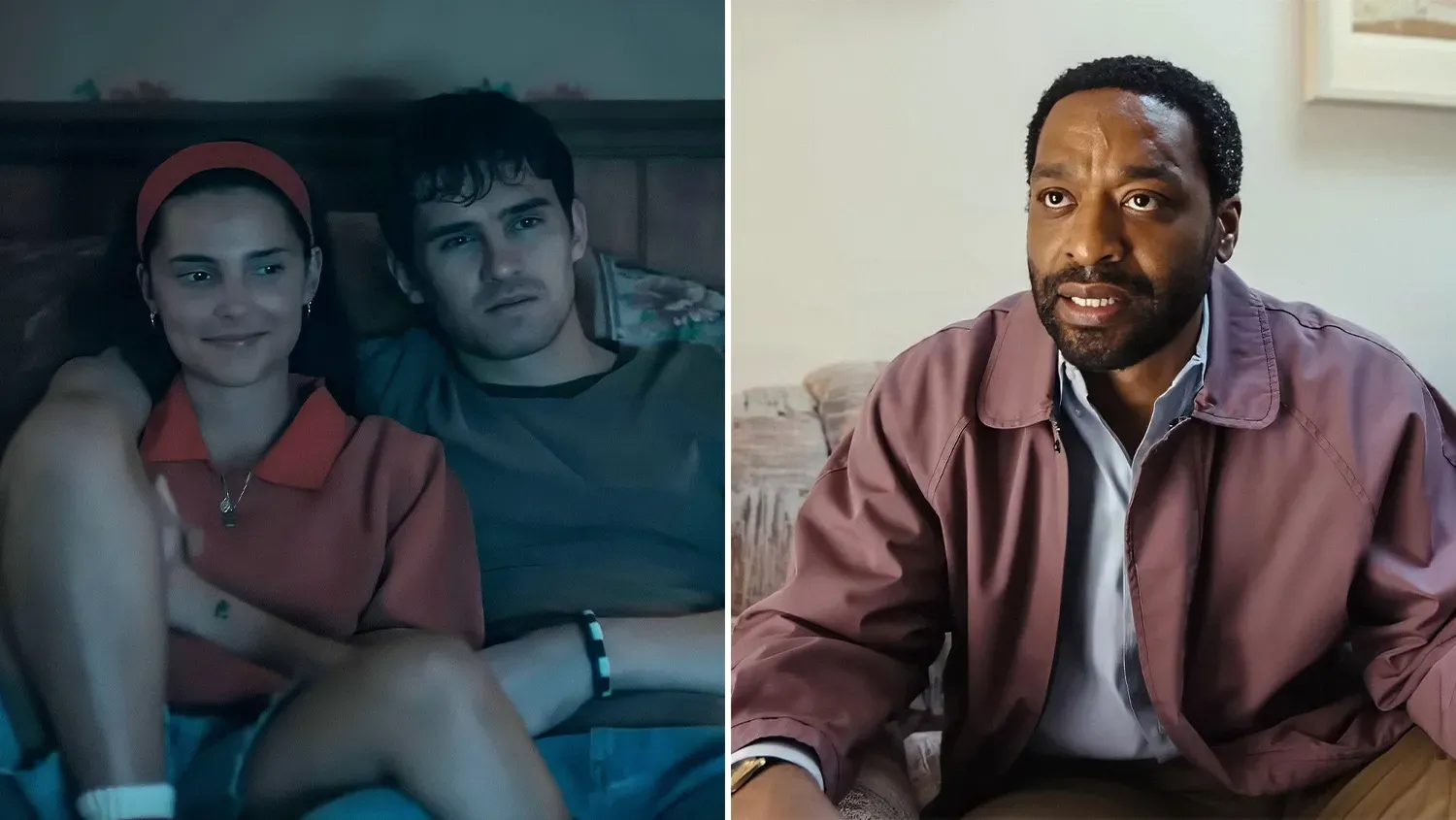
‘Obsession’ tops $300M worldwide for Focus Features as Focus goes back-to-back for hits
Curry Barker’s third Universal-Blumhouse-Atomic Monster movie clears $300M globally, while Mando and Baby Yoda “get lost” stateside in the Backrooms.