
Proton shuttle unlocks a quantum “boost” for triplet energy transfer between dots
A proton shifts, coordinates electrons, then snaps back, dramatically improving how energy moves in quantum dot systems.
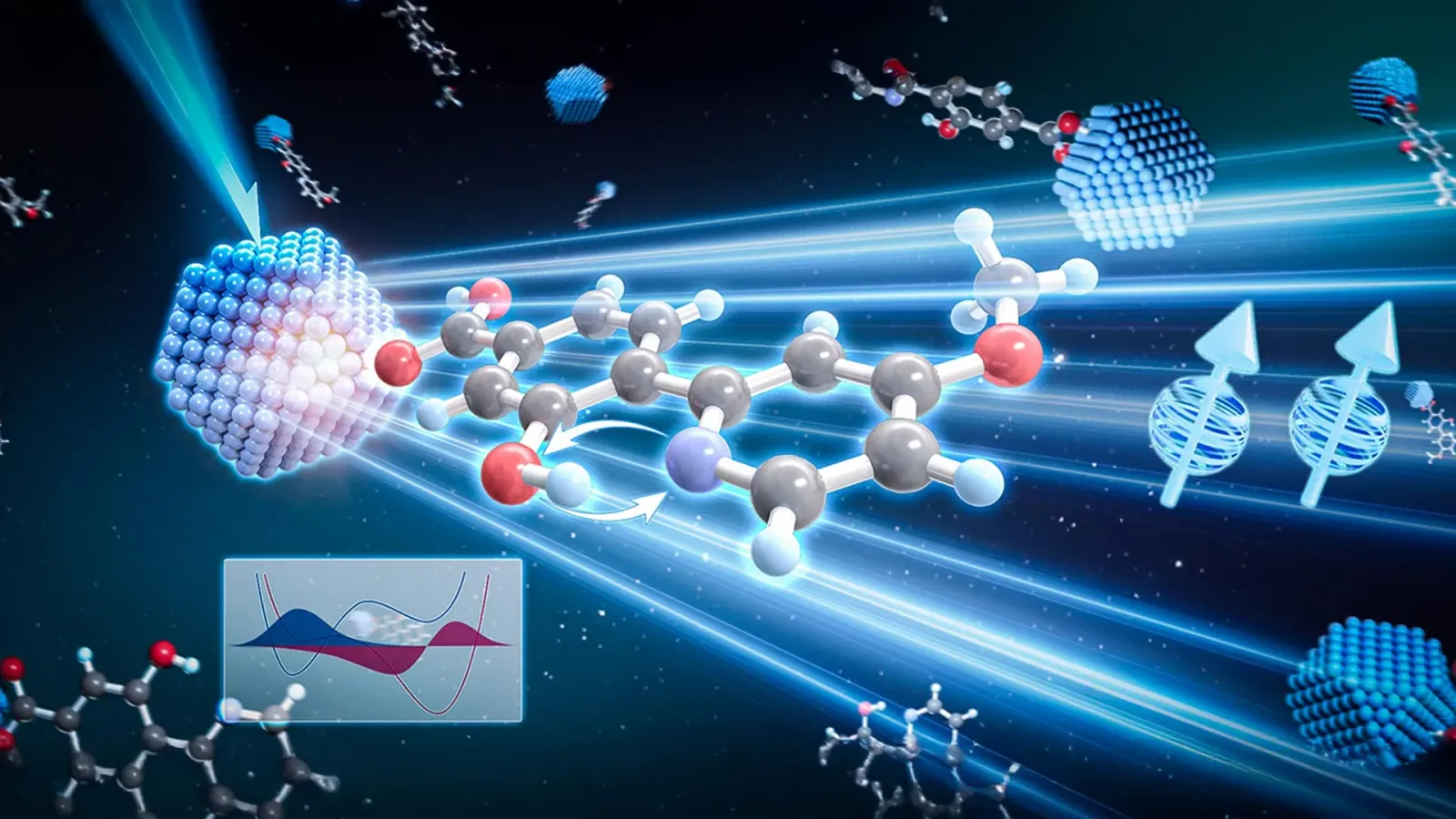
Researchers report a proton-assisted quantum mechanism that dramatically improves triplet energy transfer between quantum dots and nearby molecules. For decision-makers, this offers a new lever to tune performance in solar cells, lasers, and catalytic reactions.
Triplet energy transfer is one of those quietly critical processes that determines whether quantum materials behave like cool science or useful technology. According to the reported research, scientists found a proton-assisted mechanism that dramatically boosts how triplet energy moves between quantum dots and nearby molecules. The core idea is not just “more energy” in the abstract. It is a specific quantum choreography: a proton briefly shifts position to help coordinate electron movement, and then returns to where it started.
That “shift then return” matters because it is essentially a shuttle. The proton acts like a temporary coordinator that makes the energy transfer pathway work better, then resets so the system can repeat the job. In the study, that dynamic coordination is what enables the dramatic improvement in triplet energy transfer, not a permanent structural change. The result is a quantum-driven mechanism that researchers suggest could be used to tune energy-related technologies.
To understand why executives should care, zoom out from the experiment and look at the common industrial bottleneck. Quantum dots and related nanostructures often live or die on transfer efficiencies: how reliably energy can move from where it is generated to where it is harvested or emitted. Triplet states are especially relevant because they are involved in processes that can power light generation in lasers and contribute to how energy can be harvested or managed in photovoltaic contexts. If energy transfer is inefficient, you waste material, time, and photons. You also end up forcing the system to compensate with brighter sources, higher concentrations, or more complex architectures, which raises cost and complexity.
This proton-assisted “shuttle” hints at a different approach. Instead of brute-forcing performance through scaling and redesign alone, it introduces a tunable quantum lever. Researchers say the quantum-driven shuttle could offer a powerful way to tune solar cells, lasers, and catalytic reactions. That list is not random. Those are three domains where small improvements in how excited states behave can cascade into bigger outcomes: better light emission, more effective energy utilization, and more controlled reaction pathways.
There is also a strategic reason this is interesting for companies building roadmaps around next-generation energy and photonics. Mechanisms like this tend to create optionality. If energy transfer can be tuned by controlling proton behavior, then product teams may find new knobs beyond conventional structural changes. In practical terms, a new tuning knob can translate into faster iteration cycles, more controllable performance targets, and potentially fewer tradeoffs. Even if the physics details stay in the lab, the business logic is familiar: improved transfer efficiency can reduce wasted output and increase system-level performance.
Second-order implications show up when you think about how teams validate and commercialize quantum-adjacent materials. Triplet energy transfer efficiency often needs to be measured under conditions that reflect real operating environments. If the mechanism relies on a proton temporarily shifting and coordinating electron movement, then operational variables that influence proton positioning and dynamics could become key. That might mean process controls in fabrication, choices around the local chemical environment, or engineering around stability. In other words, the technology is likely to be sensitive to “the surroundings,” not just the nanomaterials themselves.
From a regulatory and governance angle, the headline here is not about safety approvals or emissions rules. It is about how research claims translate into technology decisions under uncertainty. Many boards and investment committees are cautious about early-stage physics breakthroughs because they can be hard to de-risk and hard to standardize. A mechanism that is described clearly as a proton-assisted shuttle, with a repeatable shift and return behavior, gives decision-makers a more concrete story to test. The path forward would still require validation, scalability assessment, and durability testing, but the mechanism offers a defined hypothesis rather than an opaque “it improved somehow” result.
For peers in solar, photonics, and catalysis, the strategic stake is simple: if this mechanism truly enables dramatically better triplet energy transfer, it could reshape where the next efficiency gains come from. It also suggests a broader theme that investors and product leaders are increasingly hungry for. Not just incremental optimization, but new control strategies at the quantum level that can be translated into engineering parameters.
The takeaway is that a proton-assisted quantum shuttle may be a new lever for tuning energy transfer. The proton shifts position to coordinate electron movement, then returns, enabling a dramatic improvement in triplet energy transfer between quantum dots and nearby molecules. If that lever can be controlled and scaled, it could influence how solar cells harvest energy, how lasers generate light, and how catalytic reactions proceed.
This story's Key Insights and Take-aways are locked.
Create a free account to unlock Executive Actions for one credit.
Register to UnlockAlways free for Executives Club members. Join the Club
More in Science

Juno sees Io’s subsurface heat surge: 40+°F rising just feet down
Two close flybys let NASA measure below Io’s surface, proving tidal heating and reshaping how scientists read volcanoes.

Sperm whales off Dominica shift clicks near boats, researchers can predict ship proximity
A four-year study finds a boat-related “vowel” pattern in sperm whale clicks, enabling near-real-time detection of marine traffic.
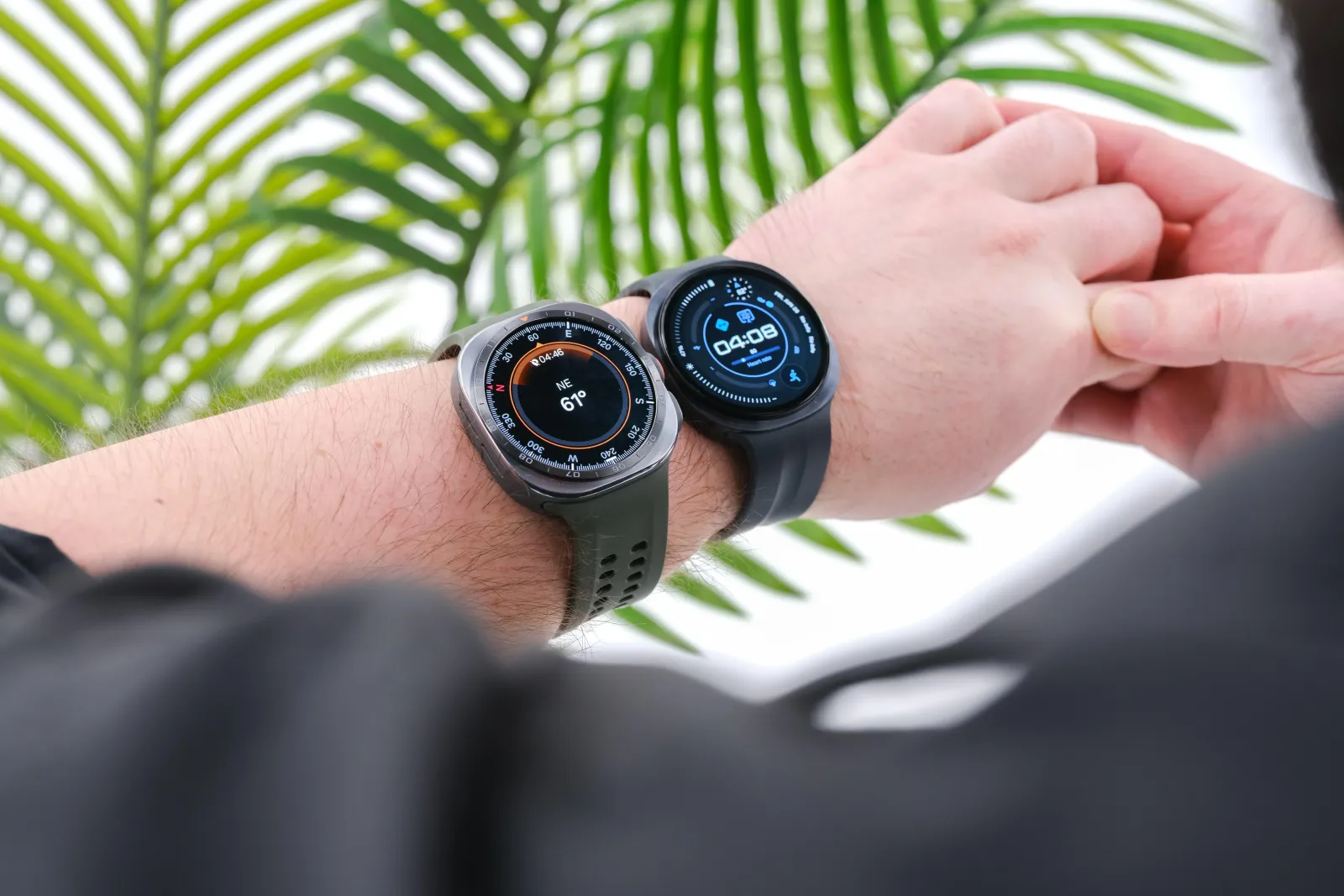
Galaxy Watch Ultra 2 adds 800mAh battery, costing $699.99
Samsung lifts battery specs and preventive health focus, including a 35% jump on Ultra 2’s 47mm model.