
Saibari’s 71-second World Cup goal flips Morocco past Scotland, sends Atlas Lions top
A second-minute strike stands up as Scotland push late, leaving Morocco disciplined and first in Group C.
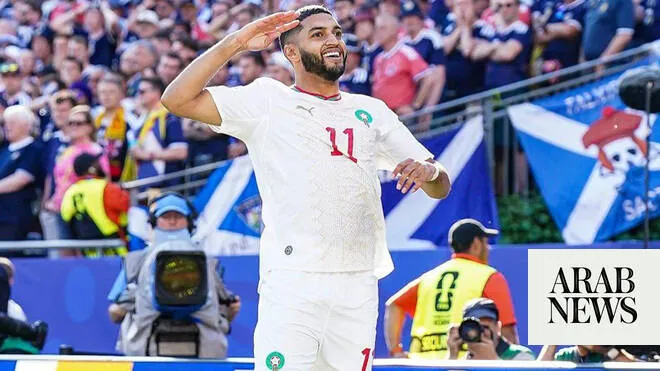
Ismael Saibari scored in the second minute to give Morocco a 1-0 win over Scotland in Foxborough and send the Atlas Lions to the top of Group C. The fastest goal at the 2026 FIFA World Cup changes the competitive math for decision-makers tracking tournament leverage and momentum.
Morocco did not just beat Scotland 1-0 in Foxborough. Ismael Saibari’s goal came in the second minute and is now officially the fastest scored at the 2026 FIFA World Cup, taking 71 seconds from kickoff to net. That early damage matters in a tournament format where the margins between “control” and “chasing” are measured in minutes, not vibes.
The game itself quickly showed why that timestamp is more than trivia. Scotland spent almost 89 minutes searching for a response, but they never found a reliable route back into the match. Morocco struck with a perfectly timed attacking sequence, then settled into a structured approach that absorbed pressure and protected the lead.
The opening goal reads like a coaching clip. Just ahead of the halfway line, Brahim Diaz scanned the front line for Saibari, then delivered a perfectly threaded lob. Saibari timed his run to receive the pass behind the Scottish defense, took a touch with pressure not yet arriving, and unleashed a scorcher beyond Angus Gunn. The ball flew into the net and lodged in the top corner at a perfect angle. In other words: Scotland’s defensive line was stunned, but the real issue was that the play was already designed to punish any hesitation in the first real attacking moment.
Morocco’s plan also helps explain why Scotland were chasing for most of the night. Morocco were happy to allow Scotland possession without pressing high, setting up in a mid-block near the halfway line before closing down ball-carriers in central areas. That is not the style of a team gambling everything for a second goal. It is the style of a team that trusts counterattacks, speed, and discipline, and expects the opponent to spend energy trying to find a clean shot.
Morocco almost made the lead feel comfortable, even before the scoreline could. In the ninth minute, Azzedine Ounahi delivered a dangerous pass into the box, but Saibari and Diaz read his intentions too late. In the 30th minute, Saibari and Bilal El-Khannouss linked up to feed Ounahi just outside the area, yet his shot flew over the bar. In the 35th minute, Morocco reached another high-quality moment: after possession was won in Scotland’s half, Saibari drove toward goal with El-Khannouss open in the space behind Nathan Patterson, but he failed to take a touch and sent the ball flying over. The point is not that Morocco lacked chances. The point is that they created them, and still managed the game in a way that left Scotland mostly reacting.
Then the match tilted into “late pressure” mode, and Scotland’s few surges revealed the fine line Morocco walked. Scotland emerged from passivity and started to threaten Yassine Bounou’s goal. A right-flank cross was not capitalized on by Scottish forwards, and the ball fell to Andy Robertson on the left. Robertson’s whipped cross to the far post was deflected by John McGinn for a goal kick. In the 48th minute, Scotland sought a penalty after McGinn went down under a challenge from Neil El-Aynaoui, but the referee waved away the appeals. Immediately after, Morocco struck on a rapid counter, ending with Saibari’s deflected shot bouncing off the crossbar. The corner that followed was equally threatening, with El-Aynaoui’s header forcing Gunn into a strong save.
Morocco also had chances to put the game fully to bed, which is where the second-order lesson lands for anyone tracking tournament momentum. In the 77th minute, Diaz found himself through on goal but hesitated to shoot, keeping Morocco vulnerable to a potential Scotland equalizer. That equalizer almost came in the 85th minute when Scott McTominay burst past his marker, unleashed a shot that was deflected into the side netting. McTominay threatened again three minutes later from inside the 6-yard box, but Chadi Riad produced an important block, and Bounou gathered the deflected effort. Morocco were made to work, but their discipline ultimately proved decisive, absorbing pressure and protecting the advantage when it mattered most.
The outcome still reshapes the Group C picture immediately. After the victory, Morocco move to the top of Group C on four points following their draw with Brazil. Their final group-stage match is against Haiti on June 25 at 1 a.m. Saudi time. For executives and investors who watch sport like a market, this is the clearest reminder that early execution can become strategic capital. A 71-second strike creates not only points, but also schedule leverage, psychological control, and the ability to manage risk for the remainder of the group phase.
This story's Key Insights and Take-aways are locked.
Create a free account to unlock Executive Actions for one credit.
Register to UnlockAlways free for Executives Club members. Join the Club
More in Entertainment

FIFA will red-card mouth-covering at World Cup confrontations to curb racism
FIFA says players who cover their mouths during confrontations will get a red card, with other 2025 Qatar match drama piling up.

Keith Richards says Mick Jagger “won’t bloody stop” on new Rolling Stones album
What keeps Jagger moving and why Foreign Tongues, July 10, is the Stones’ momentum business case in public.
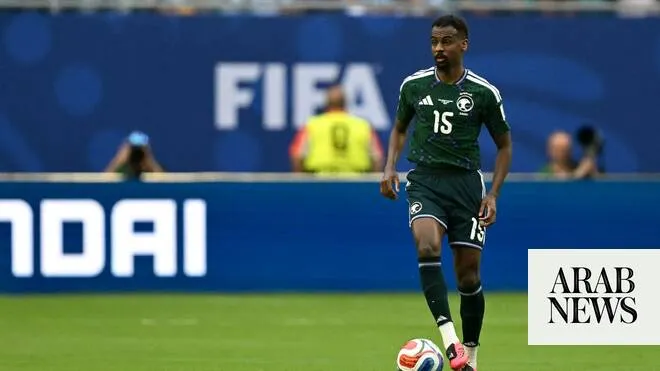
Saudi’s Planes warns Spain: 0-0 with Cape Verde proves Group H is harder now
After Spain stumbled to a 0-0 draw, Ramon Planes says Saudi’s improved mix could decide Sunday’s World Cup clash in Atlanta.