
Satya Nadella warns “hollows out entire industries” as AI providers eat corporate knowledge
Microsoft’s CEO says a few model makers could capture value while companies lose ownership of what they teach.
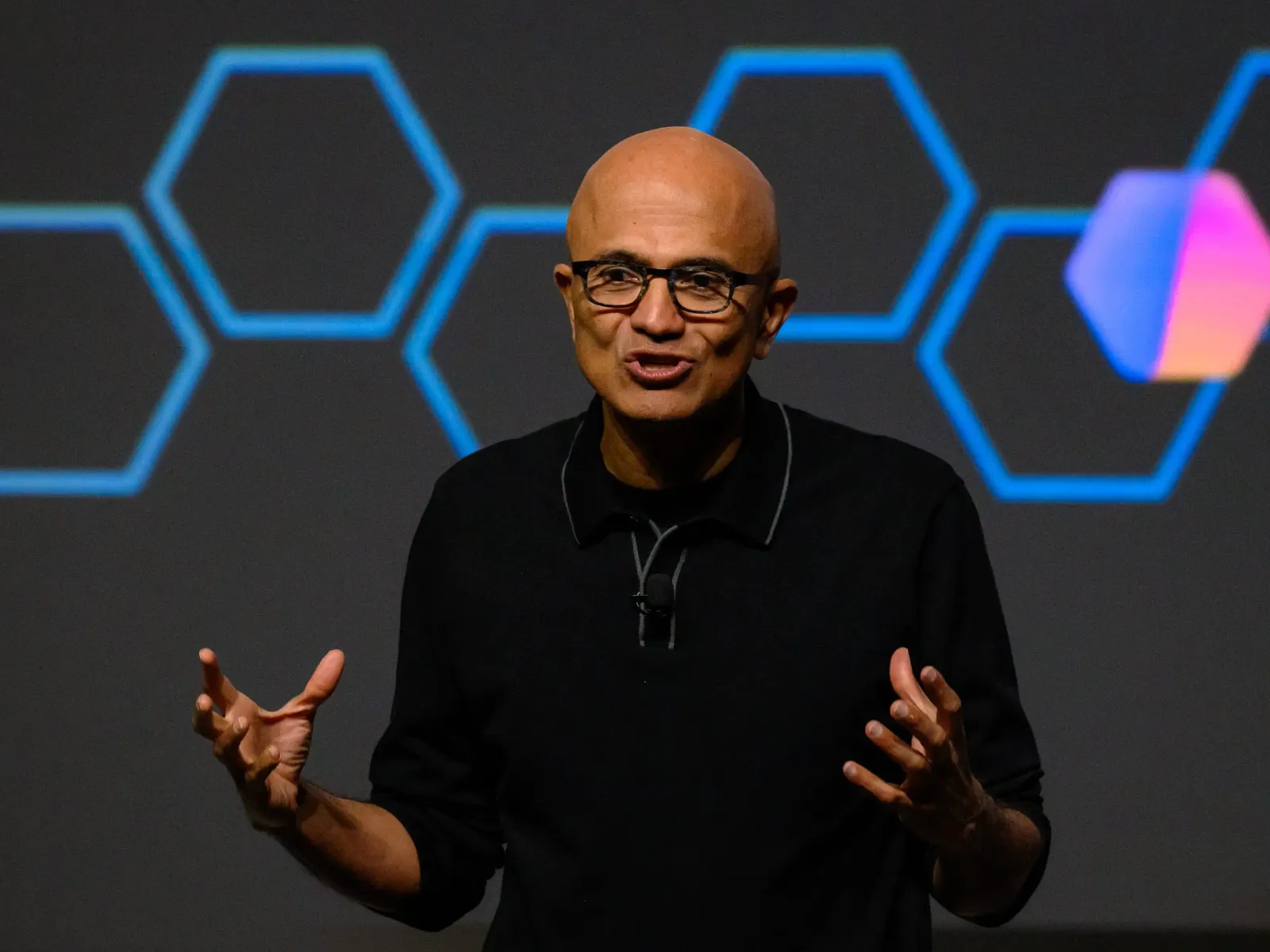
Microsoft CEO Satya Nadella warned in an X post that a small number of AI providers could capture most economic value by consuming corporate knowledge. He compared that risk to the first phase of globalization, arguing that industries could be hollowed out even if headline GDP looks fine.
Microsoft CEO Satya Nadella used an X post on Sunday to warn of a future where “a handful of AI providers capture most economic value” while companies “cede value to a few models that eat everything they see.” The stakes are not philosophical. Nadella framed it as a world with “no societal permission” for an AI future that “hollows out entire industries.”
His core claim is blunt: AI models are “hoovering up corporate knowledge,” and that creates a big loser, at least from the standpoint of who keeps control and who benefits. Nadella’s worry is that companies will build learning and value creation into external systems, then watch autonomy and differentiation erode as those systems become the default interface to work and expertise.
To make the point, Nadella compared the AI era to globalization’s early phase. “Think about what happened in the first phase of globalization, where entire industrial economies were hollowed out by outsourcing,” he wrote. The GDP numbers “looked fine on the surface,” but the displacement was “real,” and the consequences are “still being felt.” That comparison matters because it sets the frame for executives who are used to treating tech adoption as a clean, additive upgrade. Nadella is arguing that distribution of ownership and control is the real variable, not just output growth.
Under that framing, the immediate question for boards and leaders is not whether AI will be valuable. It is. The question is who holds the keys to the learning systems. Nadella advocated for “a broad AI ecosystem” in which companies keep control of their learning systems, which he said would enable innovation and retain employee expertise. Translation: if your knowledge becomes someone else’s training input, you might be paying for a faster path to commoditized performance. You can still get answers, but you may lose the ability to own the process that got you there.
Nadella’s warning lands in a market where Big Tech leaders have repeatedly described a power imbalance in model ecosystems. The Business Insider piece ties his post to earlier comments from other executives. In a February podcast, Snowflake CEO Sridhar Ramaswamy said the biggest software companies risk being reduced to “mere data sources.” He warned that the “big model makers” want a world where “all of the data for all of the enterprises is easily available to them.” In his words, “Everything else, the world, is just a dumb data pipe that feeds into that big brain.”
Ramaswamy also emphasized an ecosystem threat that goes beyond model training. He said Snowflake needs to operate with a “fear” that people would stop using AI agents developed by software companies and instead want an all-inclusive agent that has data from Snowflake and everywhere else. That is a second-order problem for product leaders: even if your app or agent is good, it can be displaced if users prefer a single, broader data-connected agent that draws from many sources. If “knowledge” shifts from internal context to externally aggregated context, the winner is whoever becomes the default system of record for understanding.
The same theme shows up in how leaders think about differentiation in an “everyone has access to the same expert intelligence” world. In a January LinkedIn post, Box CEO Aaron Levie wrote that AI models can perform high-level knowledge work across nearly every profession, from law to strategy and scientific research. Levie’s question was what companies do when access is equal: “in a world where everyone has access to the same expert intelligence, how does a company differentiate?” He said the answer would be context. In other words, Nadella’s “own your learning systems” argument and Levie’s “context is differentiation” argument are two versions of the same executive concern: the value may be captured not by raw intelligence, but by proprietary context, integration, and data control.
For decision-makers, this is where the conversation gets serious. If AI providers increasingly extract value from corporate knowledge, then strategy becomes less about choosing models and more about negotiating the terms of access, governance, and data rights across the stack. That includes how companies structure their learning systems, what they allow models to ingest, and how they preserve the unique expertise of employees so it does not dissolve into generic outputs.
Nadella’s globalization analogy is a warning about time horizons too. The damage from hollowing out can be slow, politically costly, and hard to reverse. The modern version may look like declining leverage for software and enterprise vendors, reduced bargaining power for data platforms, and less differentiation for companies that become distribution points for external models. If you are a CEO, CFO, or board member, the strategic stake is clear: even when AI boosts productivity, you can still lose if you give away ownership of the knowledge engine that drives your competitive advantage.
This story's Key Insights and Take-aways are locked.
Create a free account to unlock Executive Actions for one credit.
Register to UnlockAlways free for Executives Club members. Join the Club
More in Business
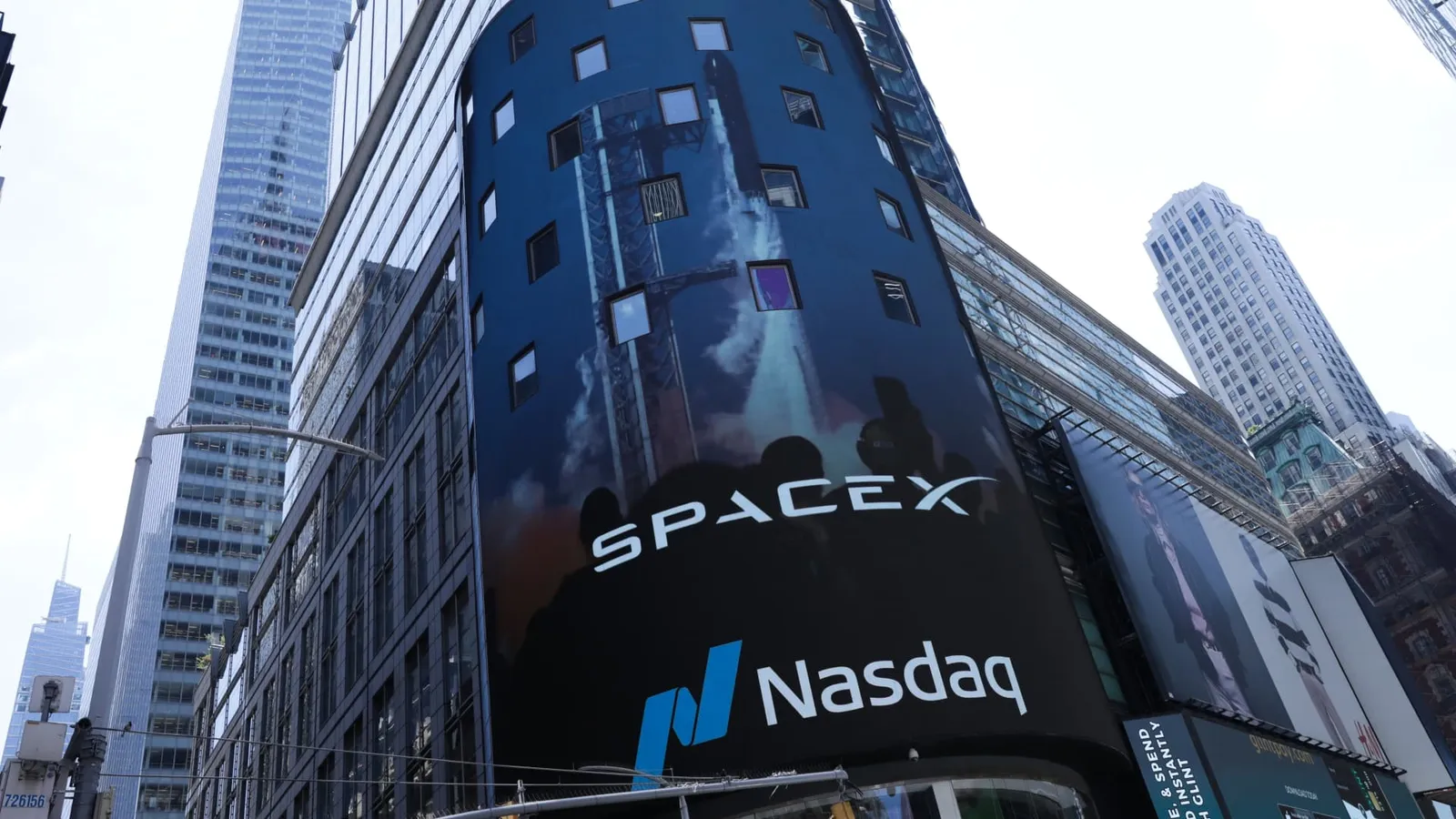
SpaceX jumps 6% in premarket, valuing the company at $2 trillion+ after its debut
The stock’s first-day surge pushes SpaceX past $2 trillion, reshaping how investors and regulators think about private space risk.

Mena construction CPMI slips 12% in April 2026, but execution momentum rebounds to 1.01
GlobalData’s April CPMI shows resilience masking pre-execution caution, with conflict risk surfacing unevenly by country and sector.
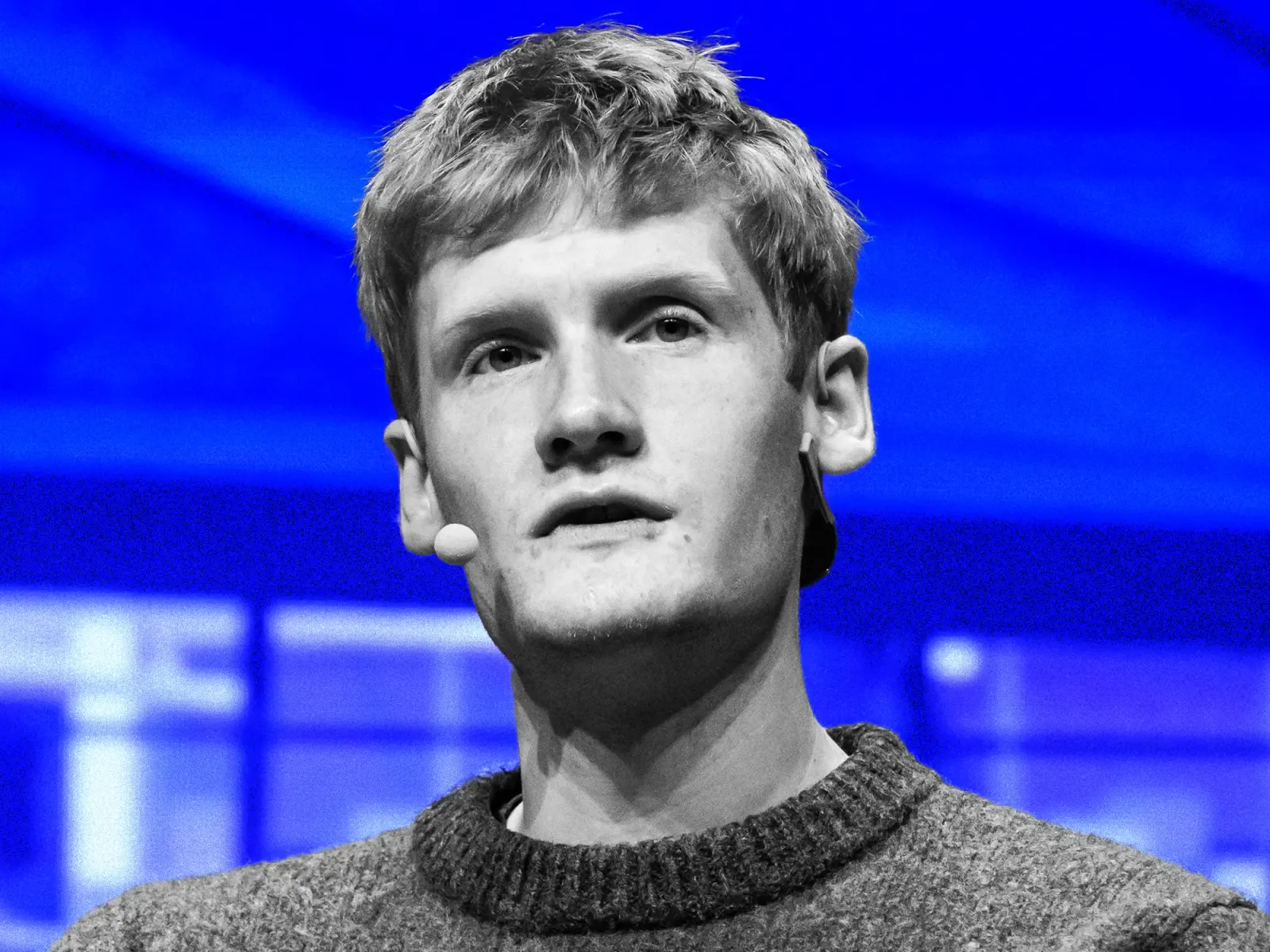
Michael Truell told Cursor to cancel meetings and build its own AI model
The Cursor CEO’s “emergency” over Anthropic Claude’s momentum forces a high-stakes pivot with SpaceX risk attached.