
Scorsese partners with AI lab to storyboard next film
The legendary director's involvement with Black Forest Labs and its image-generation tool, Flux, signals a major shift in creative production workflows.

Martin Scorsese has partnered with Black Forest Labs, an AI company, to advise on and utilize its image-generation tool, Flux, for storyboarding his upcoming film. This signals that Hollywood's creative process is rapidly integrating advanced generative AI tools, forcing studios and filmmakers to redefine authorship and pre-production pipelines.
The cinematic world just got a major upgrade, and the architect is Martin Scorsese. The storied filmmaker has signed on as an adviser and partner to Black Forest Labs, a company that specializes in advanced image-generation technology. This partnership centers around Flux, a specific image-generation tool developed by Black Forest Labs. For decades, the process of translating a script into a visual blueprint-the storyboarding phase-has been a highly specialized, labor-intensive, and expensive art form, relying on human artists and painstaking manual effort. Scorsese's involvement, therefore, isn't just a publicity stunt; it's a high-profile validation of AI's capability to move from novelty tech demo to essential creative utility, directly impacting how major studios plan and execute their most ambitious projects. By lending his name and expertise, Scorsese is essentially giving a stamp of cinematic legitimacy to the technology, signaling to the entire industry that AI is not just a tool for concept art, but a potential co-pilot in the creative process itself.
Black Forest Labs' Flux tool is designed to generate high-quality, complex images based on textual prompts and narrative descriptions. Historically, storyboarding required a team of artists to interpret the director's vision, often resulting in multiple drafts, revisions, and significant time delays. The core value proposition here is speed and iterative capability. Instead of commissioning dozens of hand-drawn panels over weeks, a director can now feed detailed narrative beats into Flux and receive immediate, visually rich storyboards. This drastically compresses the pre-production timeline, allowing creative teams to test out complex visual sequences, camera angles, and character interactions with unprecedented speed. For a director of Scorsese's stature, whose films are known for their meticulous visual detail and complex narrative structures, the ability to rapidly prototype visual ideas using AI is a massive operational advantage. It allows the creative vision to move from abstract thought to concrete, testable visuals in a fraction of the time it used to take.
This partnership is a microcosm of a much larger, industry-wide reckoning. The integration of generative AI into creative fields-from concept art and set design to costume visualization and even initial animatics-is no longer a futuristic concept; it is happening right now. We are seeing a rapid shift in the value chain. Previously, the value resided in the skilled human labor of the concept artist or the storyboard illustrator. Now, a significant portion of that value is being captured by the prompt engineer and the AI model itself. This raises profound questions about intellectual property, authorship, and the economic viability of traditional creative roles. Studios and production houses must now evaluate whether investing in AI-powered pre-production tools is more cost-effective and faster than maintaining large, traditional art departments. The decision is no longer just about 'if' AI will be used, but 'how deeply' and 'how quickly' it will become the default standard.
From a market perspective, the adoption curve for generative AI in media is steep and accelerating. The initial hype cycle has given way to practical application. Companies are moving past simply generating pretty pictures and are focusing on tools that understand cinematic grammar-the difference between a wide shot, a close-up, a tracking shot, and a Dutch angle. Scorsese's endorsement suggests that the technology has reached a level of sophistication that can handle the demands of a master filmmaker, moving beyond simple aesthetics into genuine narrative utility. This validation is crucial because it de-risks the technology for major studio executives who are often wary of unproven, bleeding-edge tools. They need to see proof that the AI output is not just 'good enough,' but 'good enough to save us six months of pre-production time and $10 million in artist fees.'
Furthermore, the implications extend far beyond storyboarding. Consider the entire pipeline: from initial script development and world-building to set dressing and costume design. AI tools can now generate mood boards, architectural renderings, and character concept sheets based on minimal input. For a project with the scope and historical weight of a Scorsese film, the sheer volume of visual assets required is staggering. Using Flux, the creative team can maintain a consistent visual language across all storyboards, ensuring that the tone and style remain cohesive, even as the narrative jumps across different time periods or locations. This level of control and consistency is a massive operational gain that traditional methods struggled to achieve at scale.
For investors and industry operators, this signals a critical area for capital deployment. The focus is shifting from merely building the AI model (the 'what') to building the specialized, industry-specific interfaces and workflows (the 'how'). The next wave of winners won't just be the companies with the largest compute power; they will be the ones who successfully integrate their tools into the existing, complex, and highly regulated workflows of Hollywood. Black Forest Labs, by partnering with a figure like Scorsese, is doing exactly that: building credibility and demonstrating real-world, high-stakes utility. This is the difference between a cool tech demo and an indispensable industry partner.
Ultimately, the partnership between Scorsese and Black Forest Labs is a powerful signal to the entire creative economy. It tells every studio executive, every film director, and every VFX supervisor that the tools are ready. The question is no longer whether AI will change filmmaking, but how quickly the industry will mandate its use. Those who adopt these tools early, who learn to prompt effectively, and who integrate AI into their pre-production DNA, will gain a massive competitive edge in speed, cost, and creative iteration. The age of the AI-assisted storyboard is here, and the stakes for creative leadership have never been higher.
This story's Key Insights and Take-aways are locked.
Create a free account to unlock Executive Actions for one credit.
Register to UnlockAlways free for Executives Club members. Join the Club
More in Entertainment
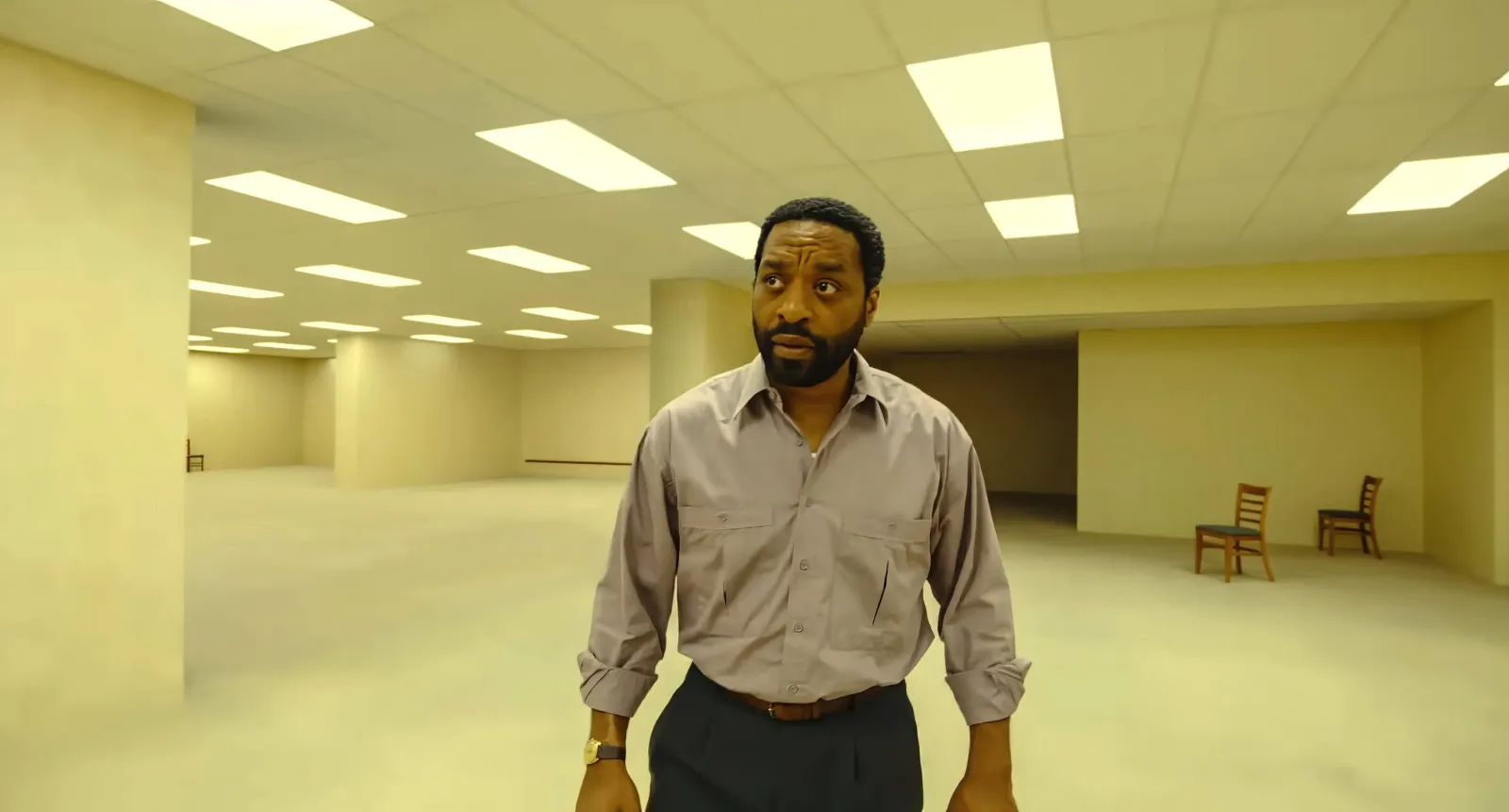
Backrooms hits $100 million in 6 days, and A24 just made history
The horror hit crossed a massive box office line faster than most arthouse films ever do, reshaping what A24 can do in theaters.
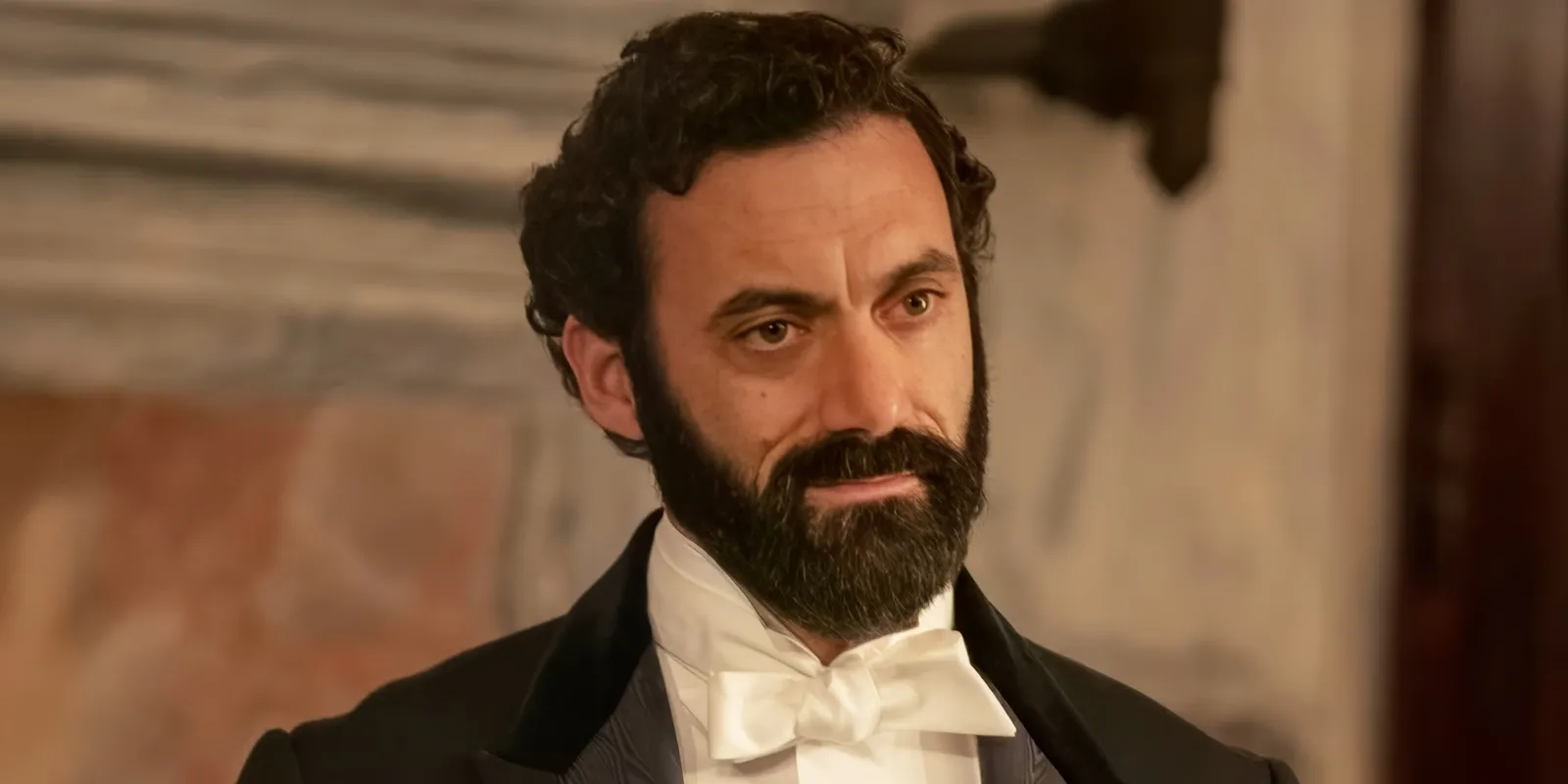
HBO’s Bridgerton Rival Quietly Climbs Back Into the Streaming Race
As Netflix’s period-drama juggernaut keeps widening the market, HBO’s fan-favorite response is regaining momentum ahead of Season 4.
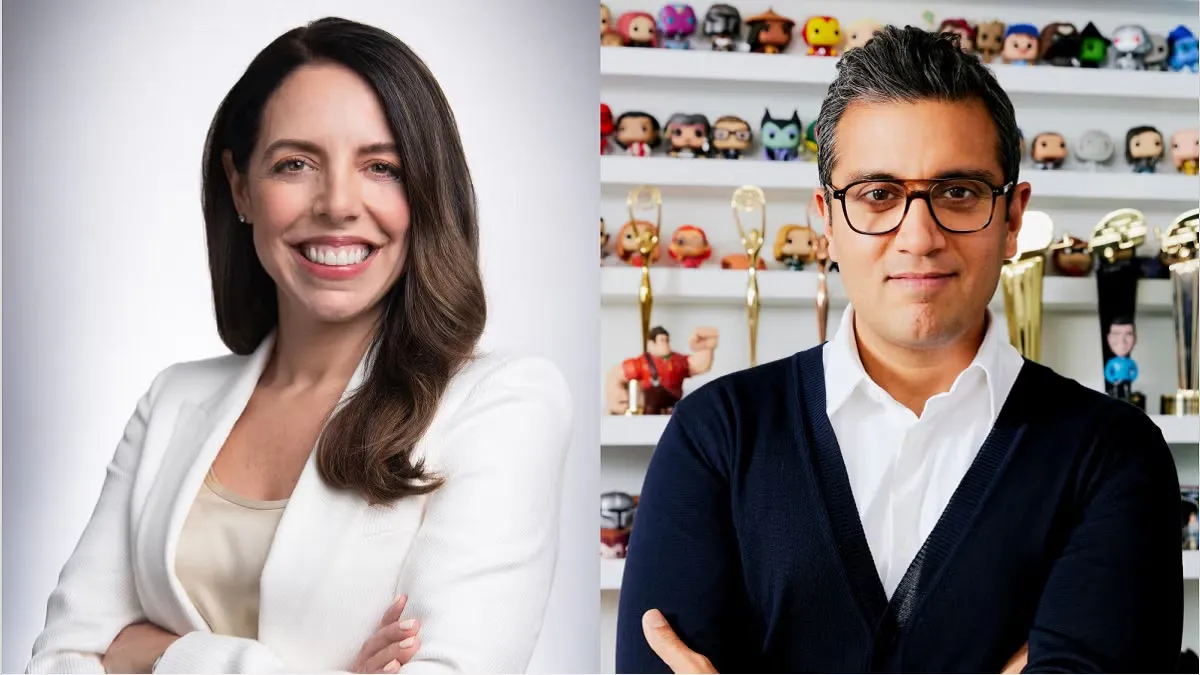
Carrie Brzezinski-Hsu gets Disney's first company-wide creative agency
Main Street folds Yellow Shoes and The Hive into one marketing hub, giving Disney a single creative engine across entertainment, sports, experiences, and consumer products.