

Sea anemones reveal a virus-fighting system unlike ours, upending immune-system assumptions
A new antiviral defense in sea anemones works very differently from human immunity, reshaping how scientists think immunity evolved.
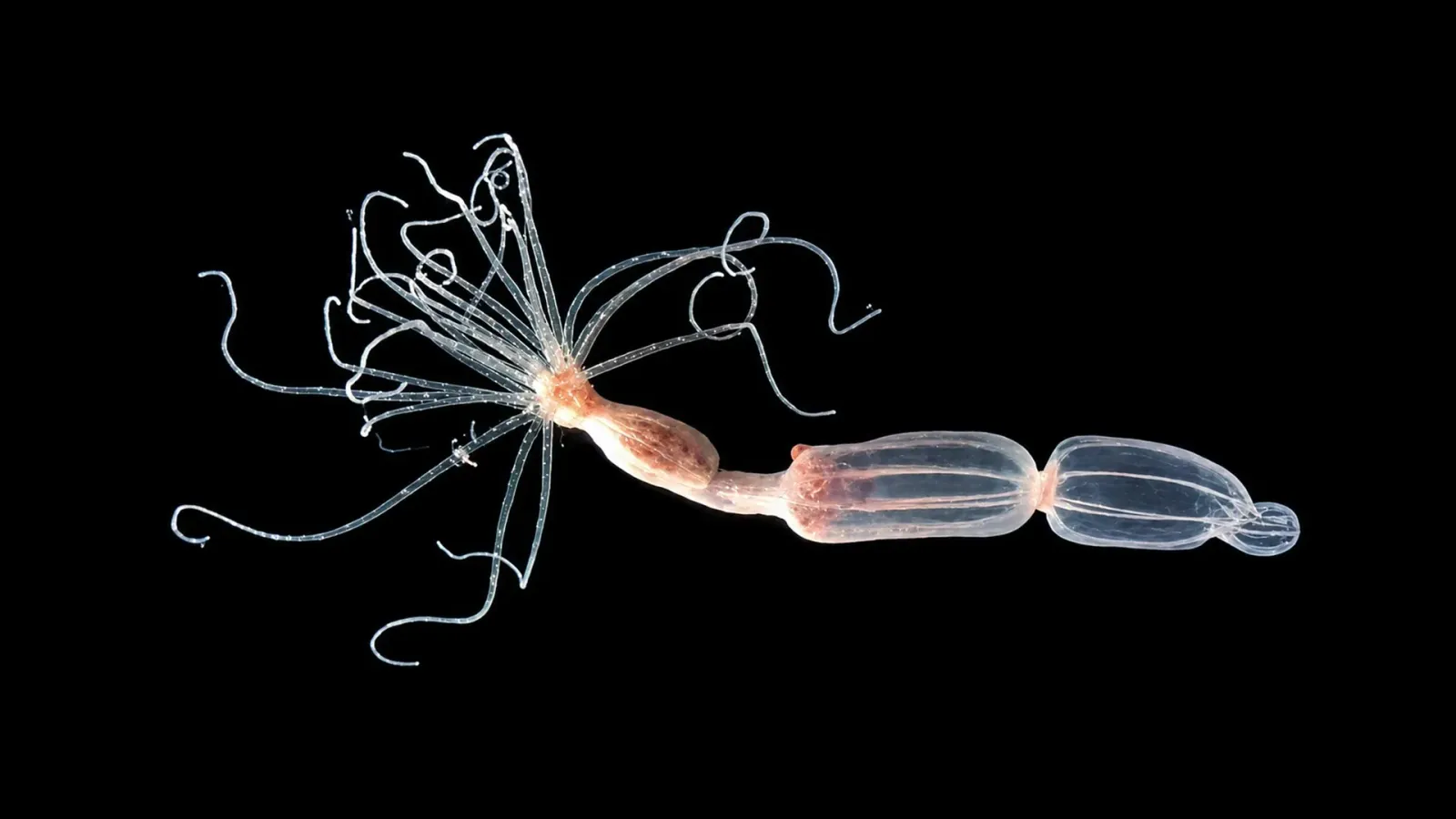
Researchers discovered an unexpected antiviral defense system in sea anemones that fights viruses very differently from the one humans use. For decision-makers, the finding matters because it challenges long-held assumptions about how animal immune systems evolved, widening the universe of possible antiviral strategies.
Researchers have uncovered an unexpected antiviral defense system in sea anemones that works very differently from the one humans use. That is the headline stake, and it matters because it directly challenges a widely held idea in biology: that animal immune systems followed a narrower set of evolutionary paths than we assumed.
In other words, the discovery suggests evolution did not settle on one “best” way to combat viruses. Instead, it likely generated multiple, distinct defenses across different branches of life. The sea anemone system is not just a quirky biology fact. It is evidence that the toolkit for antiviral protection can look radically different even when the target is the same: stopping viruses from taking over cells.
Why should business-minded leaders care about a result emerging from marine biology? Because the last decade of biotech has been built on a simple bet: if you understand how nature fights disease, you can translate that into new therapies, better targets, and smarter platform design. When a study like this shows that an organism can run an antiviral defense program that is fundamentally unlike the one humans use, it expands the search space for what “defensive” biology can look like.
This is also a reminder that biology is not obligated to be parsimonious. For years, long-held ideas about how animal immune systems evolved have leaned on the notion that immune mechanisms are broadly conserved, or at least that the most effective antiviral strategies converge. The sea anemone discovery pushes back on that by showing an additional route to the same outcome. Evolution, it appears, is more inventive than that narrative allows.
From a research and development perspective, the practical implication is that scientists may be underestimating non-human immune pathways as sources of therapeutic inspiration. If the sea anemone defense is “completely different” from human antiviral defense, then researchers studying only human or closely related immune systems could miss mechanisms that are effective in their own right. That does not mean those mechanisms are instantly transferable, but it does change what questions teams should be asking when they map biology to drug targets.
Regulatory framing is where second-order implications start to get real. In therapeutics, regulators typically expect a clear scientific rationale connecting the proposed mechanism to disease-relevant biology, along with evidence that a candidate can be manufactured reliably and studied safely. A discovery that broadens the mechanistic landscape can accelerate the upstream stage of how teams justify experiments, biomarkers, and translational hypotheses. It may not change regulatory requirements, but it can change how quickly a program earns the credibility needed to move from discovery into preclinical work and, later, clinical design.
The other business angle is portfolio risk management. Boards and executive teams often treat “platform advantage” as a combination of repeatability and breadth: can your organization find multiple hits, or are you boxed into a narrow view of how biology works? Findings that explicitly challenge long-held assumptions can cut both ways. They are a threat if a company has built its strategy on a simplified model of immune evolution. They are an opportunity if the company can adapt, broaden its scientific partnerships, and build programs that are resilient to new mechanistic evidence.
At the peer level, the discovery raises a strategic question: are teams searching the full space of antiviral defense ideas, or are they implicitly optimizing for what they already know? Sea anemones are not drug companies, and this study is not an immediate therapy. But it does provide something that is always scarce in biotech strategy: a credible signal that there may be defenses, pathways, or conceptual frameworks we have not fully explored. If evolution created multiple ways to fight viruses, then the opportunity is to stop assuming there is only one route to effective antiviral protection.
For executives and decision-makers, the stakes are straightforward. If your organization’s understanding of antiviral immunity is too constrained, you risk building in the wrong direction. If, instead, you treat discoveries that challenge long-standing assumptions as strategic inputs, you can widen the pipeline of hypotheses and improve your odds of finding mechanisms that hold up when tested in real disease contexts. This is the kind of science that does not just add a footnote to a biology textbook. It forces a re-check of the mental model behind how antiviral defenses might be discovered and translated.
This story's Key Insights and Take-aways are locked.
Create a free account to unlock Executive Actions for one credit.
Register to UnlockAlways free for Executives Club members. Join the Club
More in Science
2026 Nikon Small World Winners Reveal the Hidden Machinery of Everyday Life
A mycologist's frozen Edinburgh garden became the backdrop for vivid views inside cells, a reminder of what advanced imaging now makes visible to researchers and the industries built on biology.

Study: 1 in 4 depression cases may be a body-clock problem, not a chemical one
A 10,000-person study finds standard antidepressants often fail these patients, but melatonin and morning sunlight may hit the real root cause.

Start-Up Says A.I. Designed a Virus to Attack One Patient's Superbug
If the claim holds up, personalized phage therapy could become a new frontline weapon against antibiotic resistance - but proof is far from final.