
Shotwell is SpaceX’s steady hand as Musk readies a blockbuster IPO
Gwynne Shotwell’s role as president and COO shows how SpaceX is balancing Musk’s volatility with the operational discipline investors expect before a public listing.
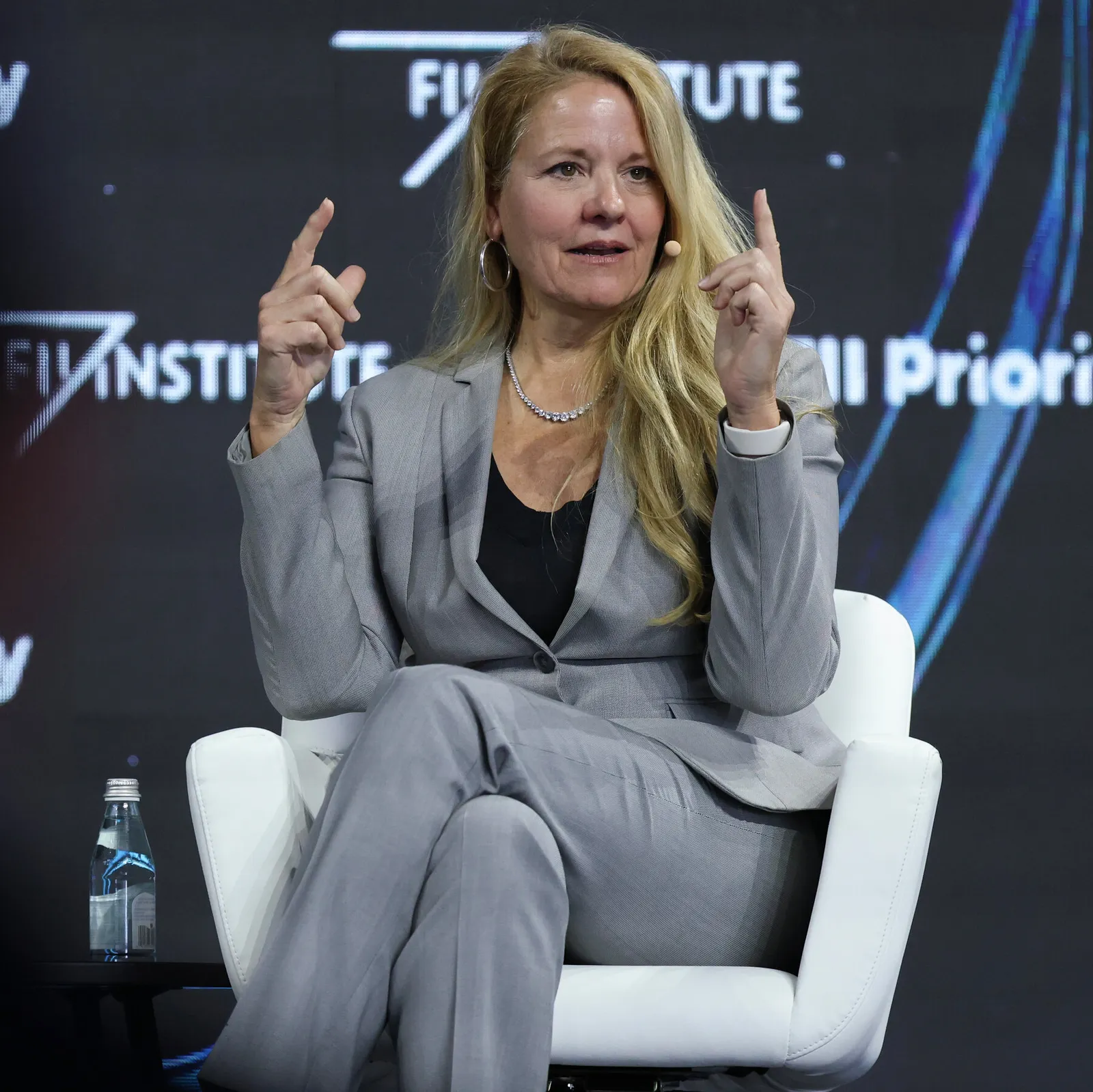
Gwynne Shotwell, SpaceX’s president and chief operating officer, is being framed as the company’s steady hand and the adult-in-the-room foil to Elon Musk. That matters because a blockbuster initial public offering would force investors, regulators, and employees to look past the founder’s chaos and toward the person running the machine.
Gwynne Shotwell, the president and chief operating officer of SpaceX, is being cast as the company’s steady hand while Elon Musk remains its most famous and most unpredictable force. The New York Times describes her as Musk’s No. 2 and the adult-in-the-room foil to him, a label that says a lot about how SpaceX wants to be understood as it prepares for a blockbuster initial public offering. In plain English: if Musk is the spectacle, Shotwell is the operator. And in public markets, operators usually get a lot more attention than they do in private-company mythmaking.
That distinction matters because a blockbuster IPO is not just a funding event, it is a credibility test. Once a company like SpaceX moves toward the public markets, investors tend to ask a much less romantic question: who actually keeps the thing on track day after day? The source does not detail the mechanics of the offering, but the framing alone shows the tension SpaceX will have to manage. Musk drives the brand, the ambition, and much of the public narrative. Shotwell represents continuity, execution, and the sort of managerial calm that can reassure investors who may admire the upside but still worry about operational turbulence.
That is why the phrase adult-in-the-room foil lands so hard. It suggests SpaceX is not just selling rocket launches or satellite infrastructure, it is also implicitly selling governance. Public market investors, unlike private backers, often care deeply about who has hands-on control when the founder is busy elsewhere, distracted, or simply being Elon Musk. For a company as visible as SpaceX, the board and leadership structure become part of the investment story whether they want that or not. Shotwell’s prominence signals that the company has a counterweight to Musk, someone whose job is less about headlines and more about making sure the numbers, schedules, and systems hold together.
For founders and operators, this is the part worth stealing: the market rarely values chaos for its own sake. It may tolerate it in a private company with a cult following and patient capital, but a public listing changes the audience. IPO investors are not buying the thrill of the run-up alone. They are buying the belief that the company can keep functioning when the spotlight gets harsher, the reporting gets stricter, and every misstep becomes a line item. A steady hand at the top can be more than a nice internal attribute. It can become a valuation support beam.
Shotwell’s profile also hints at how critical second-in-command roles become in founder-led companies at scale. In smaller startups, the CEO can often be the engine, the face, and the fire alarm all at once. At SpaceX scale, that stops being enough. The source’s entire framing turns on the idea that Shotwell is the person who embodies operational steadiness while Musk embodies the company’s outsized personality. That divide is common in successful companies, but it becomes especially important when the business is large enough, complex enough, and controversial enough that outsiders begin asking whether the founder is a strength, a risk, or both.
There is also a broader governance lesson here. The closer a company gets to a public offering, the more every leadership choice starts to read like a signal to regulators, bankers, employees, and future shareholders. Even without additional details about SpaceX’s filing timetable or structure, the mere fact that Shotwell is being spotlighted suggests the company understands the need to make the organization look durable, not just visionary. That is how IPO narratives are built: not only around growth, but around who can survive scrutiny, meet obligations, and keep the business moving when the market stops applauding and starts auditing.
For peers across tech, aerospace, and any founder-led company considering the public markets, the takeaway is simple. The founder may still be the magnet, but the operator is what convinces investors the business can survive contact with reality. SpaceX’s Shotwell-Musk dynamic is a reminder that the strongest public-market stories often have two protagonists: one to inspire, and one to execute. If SpaceX does go public at blockbuster scale, that balance could become one of the most important parts of the pitch.
This story's Key Insights and Take-aways are locked.
Create a free account to unlock Executive Actions for one credit.
Register to UnlockAlways free for Executives Club members. Join the Club
More in Business

SpaceX targets $1.75trn IPO as investors question the price
SpaceX wants to raise up to $75bn at $135 a share, but critics say the fixed-price deal may leave buyers overpaying before book building even starts.
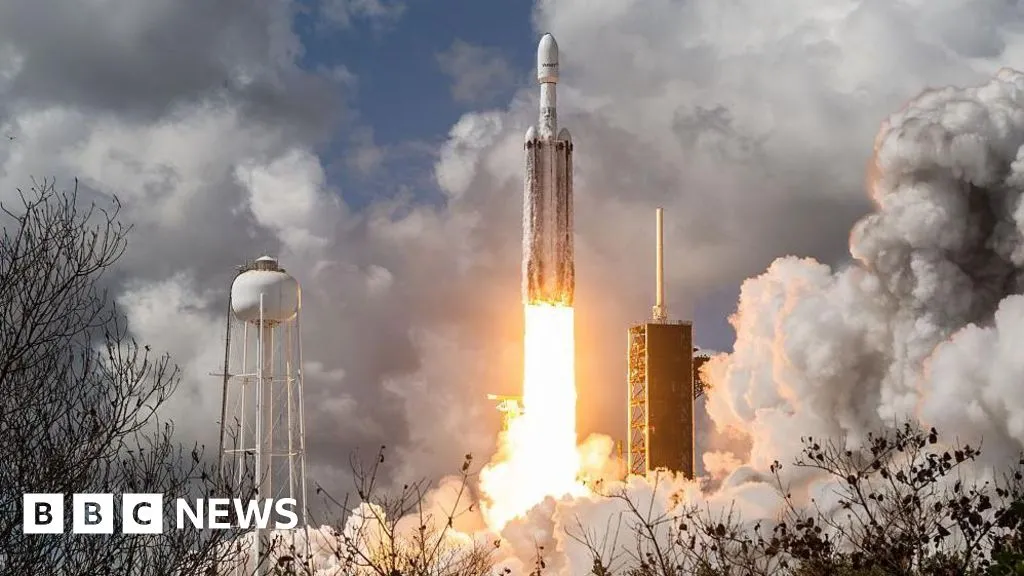
SpaceX sets price for record stock debut earlier than expected
Elon Musk’s company is moving faster toward a market debut that could reset expectations for private space valuations and investor demand.
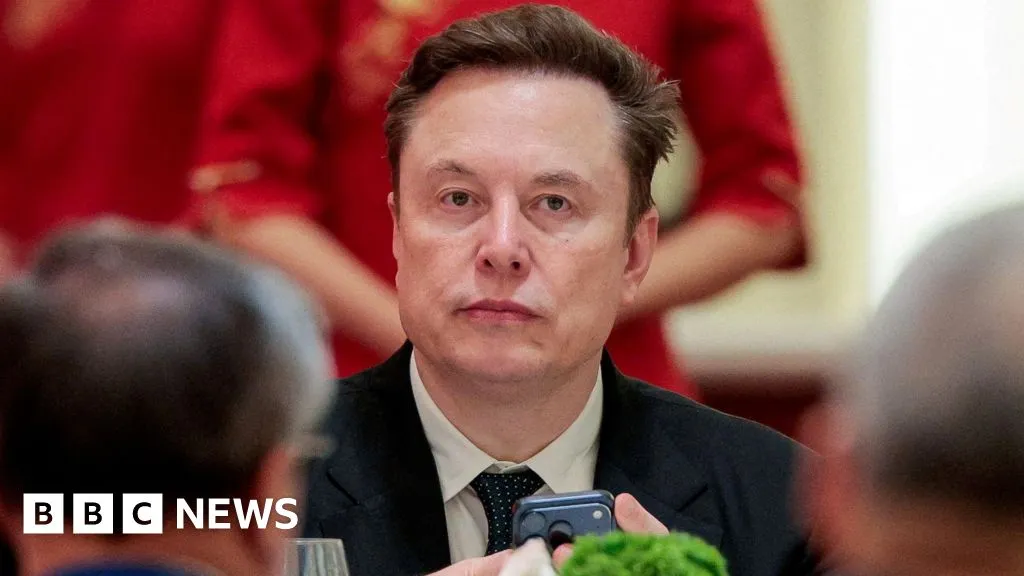
SpaceX says it is worth $1.75tn before its stock market debut
The Elon Musk company set a target price for buyers earlier than expected, putting a giant private valuation in the market’s spotlight.