
Singapore expands Sentosa resort hub in tourism comeback bid
The city-state is doubling down on its southern resort island to capture a bigger share of Asia's travel rebound; here's what it means for operators and investors.
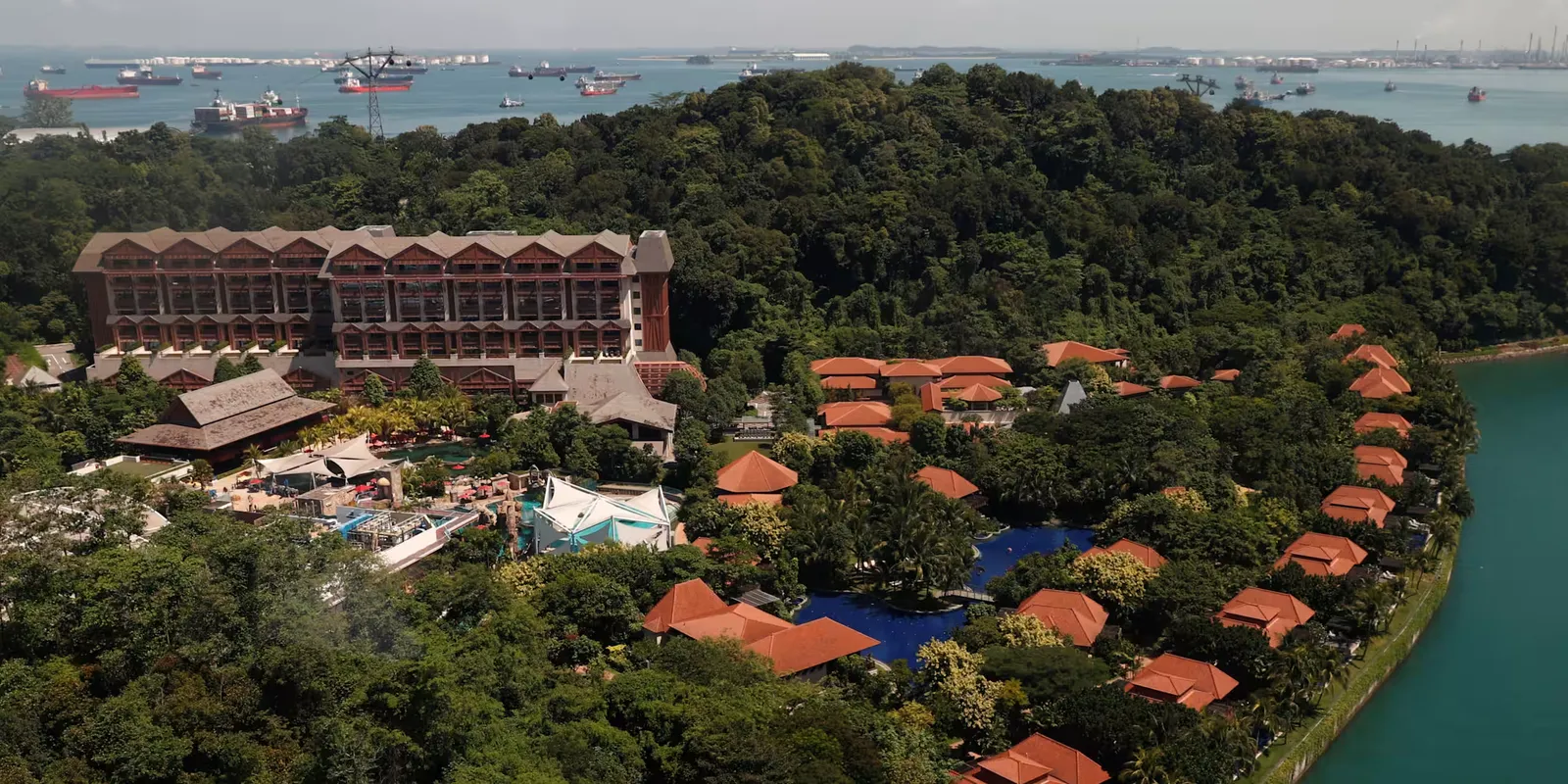
Singapore is expanding its southern resort hub, Sentosa, to boost tourism. The move signals a strategic bet on high-value leisure travel and intensifies competition for regional tourism dollars.
Singapore is expanding its southern resort hub, Sentosa, in a bid to boost tourism. The move, reported by Nikkei Asia, underscores the city-state's determination to reclaim its position as a top-tier destination as Asia-Pacific travel rebounds. For decision-makers, the expansion is more than a construction project; it is a signal of where Singapore believes the next wave of tourism growth will come from. The island has long been the centerpiece of Singapore's leisure strategy, and enlarging it is a direct response to shifting traveler preferences and intensifying regional competition.
The expansion comes at a pivotal moment. Singapore's tourism sector has been recovering since borders reopened, but competition is fierce. Neighboring destinations like Thailand, Vietnam, and Indonesia are aggressively courting visitors with new visas, events, and infrastructure. By enlarging Sentosa, Singapore is effectively raising the stakes, betting that scale and quality will win over high-spending travelers who have more choices than ever. The bet is not just about attracting more people; it is about attracting the right people, those who stay longer and spend more.
Sentosa is already a major draw. The island is home to beaches, golf courses, theme parks, and a casino resort, and it hosts everything from corporate events to music festivals. Expanding the hub is likely to add new capacity for leisure and business travel, though specific details of the plan are still emerging. Historically, Singapore has treated tourism as a strategic industry, not just a nice-to-have, because it drives spending across retail, hospitality, and transport. The sector also supports a wide ecosystem of small and medium enterprises, from tour operators to food and beverage vendors.
For investors and operators, the expansion signals long-term confidence in the sector. It suggests the government expects tourism demand to keep growing, and it creates opportunities for developers, hoteliers, and experience providers. But it also raises the bar for existing players on Sentosa, who will need to upgrade or risk being overshadowed by newer attractions. The expansion could also attract international brands looking for a foothold in Asia, adding another layer of competition for local businesses.
The broader context matters too. Singapore has long positioned itself as a gateway to Southeast Asia, and tourism is a key part of that identity. The expansion of Sentosa fits a pattern of major infrastructure bets, from Changi Airport's new terminals to the upcoming mega-port, all designed to keep Singapore relevant as regional economies grow. For regional competitors, the message is clear: Singapore is not content to rest on its past success. It is actively investing in the experiences that will define the next generation of travel.
There are also second-order effects to watch. A larger resort hub could shift the balance of tourism spending within Singapore, drawing more visitors to the south and potentially easing pressure on overcrowded downtown areas. It could also strengthen Singapore's appeal for the meetings, incentives, conferences, and exhibitions (MICE) segment, which is a high-value market that many cities are chasing. For companies that serve the tourism ecosystem, from event planners to logistics firms, the expansion could open new revenue streams. At the same time, it raises questions about sustainability, as more visitors to a small island will require careful management of resources.
For executives in the travel and hospitality sector, the takeaway is straightforward: monitor Singapore's Sentosa expansion closely. It is a leading indicator of how a sophisticated, well-funded destination is positioning itself for the next decade of tourism. If the plan succeeds, it will likely prompt other regional hubs to respond with their own upgrades, creating both opportunities and threats for operators across Asia. The expansion is also a reminder that tourism is a competitive, capital-intensive business, and that staying ahead requires continuous investment.
For boards and C-suites, the Sentosa expansion is a case study in proactive positioning. Rather than waiting for demand to return, Singapore is building ahead of it, a move that carries both risk and reward. If the expansion delivers, it will reinforce Singapore's status as a must-visit destination. If it stumbles, it will be a costly lesson. Either way, the decision to expand now, while the travel recovery is still uneven, shows a willingness to make bold, long-term bets. That is a mindset worth studying for any executive navigating a cyclical industry.
This story's Key Insights and Take-aways are locked.
Create a free account to unlock Executive Actions for one credit.
Register to UnlockAlways free for Executives Club members. Join the Club
More in Business

Tim Cook steps down as Apple CEO, stays on as chair with $45M equity
The 'Trump whisperer' keeps his White House and Beijing access as Apple navigates tariffs and a $4.6 trillion market cap.
Snowflake shares surge as AI data demand crushes estimates, lifting full-year forecast
Stocks jumped on stronger-than-expected guidance, signaling enterprise AI workloads are accelerating faster than Wall Street priced in.

Tim Cook's 15-year Apple CEO run ends: 3 lessons for any successor
After 15 years, Tim Cook hands Apple to John Ternus - here's how he turned a $350B company into a $4.6T juggernaut.