
SpaceX’s IPO plan signals confidence, but skeptics see trouble
Elon Musk’s company is leaning into a market debut, and the latest prospectus suggests its ambitions are real even as questions linger.

SpaceX, Elon Musk’s company, has released a latest prospectus that underscores its confidence in a planned market debut. For executives and boards, the bigger message is that even the most admired private companies can face scrutiny when they move from narrative to filings.
SpaceX is not acting like a company that is hesitating. The latest prospectus from Elon Musk’s company underscores its confidence in a planned market debut, and that alone is the story: this is a business with enough conviction to keep pushing toward an I.P.O. even as skeptics are already looking for cracks. DealBook’s framing makes the tension clear. The company wants the market to see momentum. Critics want to see whether the numbers and the structure can survive public scrutiny.
That matters because an I.P.O. is not just a fundraising event. It is a forced translation exercise. Private companies can tell a story with a lot of control, but public-market buyers, analysts, competitors, and regulators get a different kind of access once a prospectus lands. The document becomes a test of discipline, not just ambition. In SpaceX’s case, the latest filing signals confidence in the planned market debut, but the same filing also gives skeptics a fresh opening to argue that confidence and comfort are not the same thing.
The source here is sparse, but the implication is not. A prospectus is the company’s formal attempt to explain itself to the market, and that means everything in it is doing double duty: it is both a pitch and a liability map. For a company led by Elon Musk, that inevitably draws attention well beyond the usual S-1 nerds. Investors will read it for growth, margin potential, and the mechanics of the business. Competitors will read it for clues about how SpaceX thinks about scale. Employees will read it for what a public debut could mean for compensation, governance, and the company’s operating tempo. And skeptics will do what skeptics do: use the filing as a searchlight, not a spotlight.
The fact that the company is still advancing toward a market debut is itself notable. Market windows open and close, and they often punish hesitation. A firm that feels strong enough to keep moving forward may believe it can absorb the extra disclosure, the pressure to perform quarter after quarter, and the inevitable attention from analysts who treat every line item like a crime scene. But the same move also invites a harsher evaluation of what private-market hype has covered up, exaggerated, or simply not had to explain yet. That is why the latest prospectus matters even before any listing date is set in stone.
For executives, the real lesson is less about rockets and more about readiness. When a company reaches the public markets, the question becomes whether its story, governance, and operating model can hold up under a much less forgiving audience. That is especially true for a company as visible as SpaceX, where Elon Musk’s name alone guarantees that every step will be interpreted as a signal. A prospectus that underscores confidence can strengthen the bull case. It can also hand skeptics a new document to dissect. In that sense, the filing is not just about where SpaceX is going. It is about how much trust the market is willing to extend before the first share trades.
And that is why decision-makers across the business world should care. If SpaceX’s planned debut moves forward, it will be watched as a template for how a high-profile, category-defining private company tries to cross into public ownership without losing its edge. If doubts keep building, the lesson will be just as important: even the most admired company with the loudest halo still has to clear the same basic hurdle as everyone else. The market does not buy mythology. It buys disclosure, execution, and the ability to keep convincing people after the story stops being private.
This story's Key Insights and Take-aways are locked.
Create a free account to unlock Executive Actions for one credit.
Register to UnlockAlways free for Executives Club members. Join the Club
More in Business

SpaceX targets $1.75trn IPO as investors question the price
SpaceX wants to raise up to $75bn at $135 a share, but critics say the fixed-price deal may leave buyers overpaying before book building even starts.
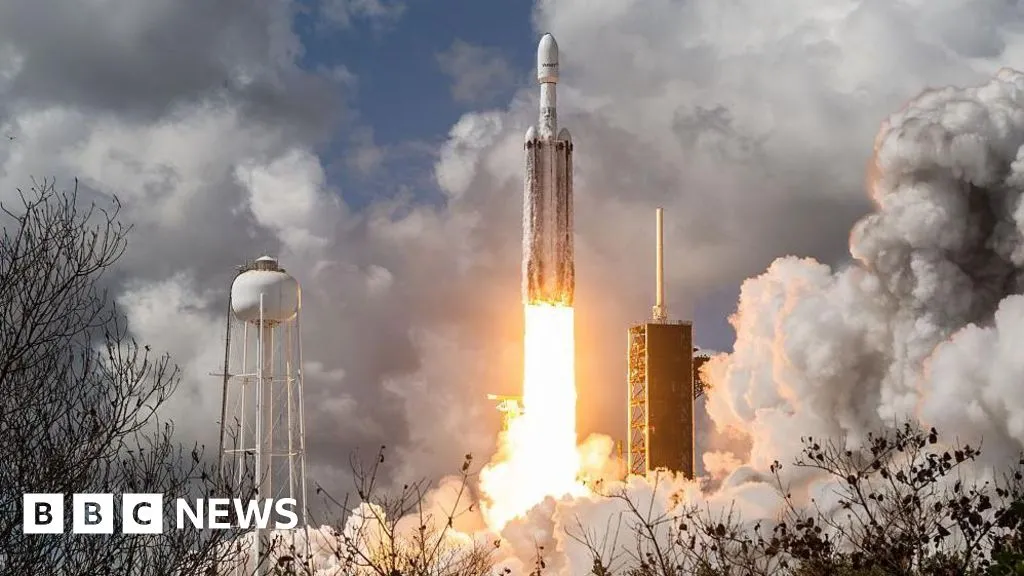
SpaceX sets price for record stock debut earlier than expected
Elon Musk’s company is moving faster toward a market debut that could reset expectations for private space valuations and investor demand.
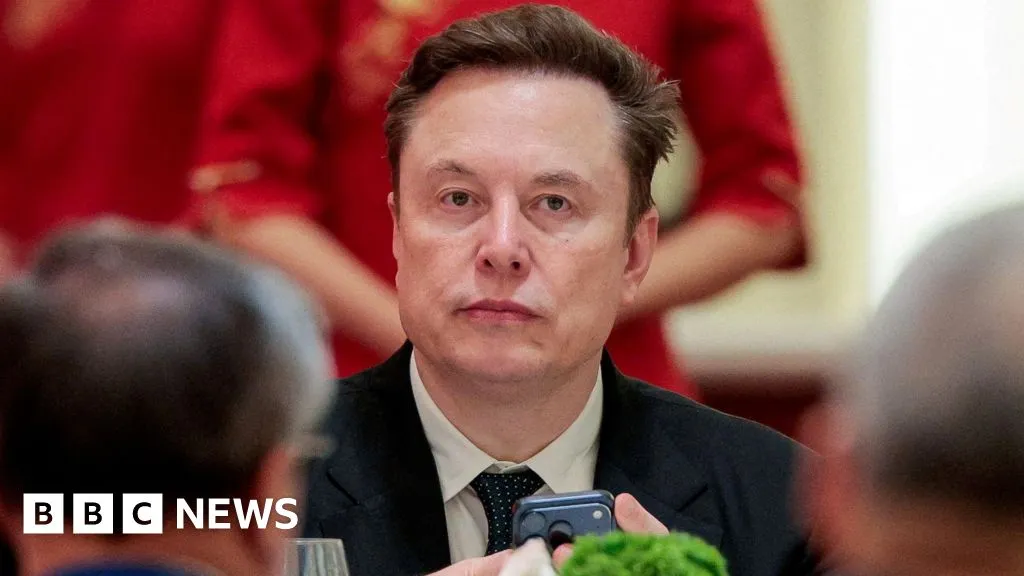
SpaceX says it is worth $1.75tn before its stock market debut
The Elon Musk company set a target price for buyers earlier than expected, putting a giant private valuation in the market’s spotlight.