
Spain vs Argentina meet in the World Cup final, with shared language and soccer history
The teams clash in FIFA’s Men’s World Cup final, and the story is more than the match itself.
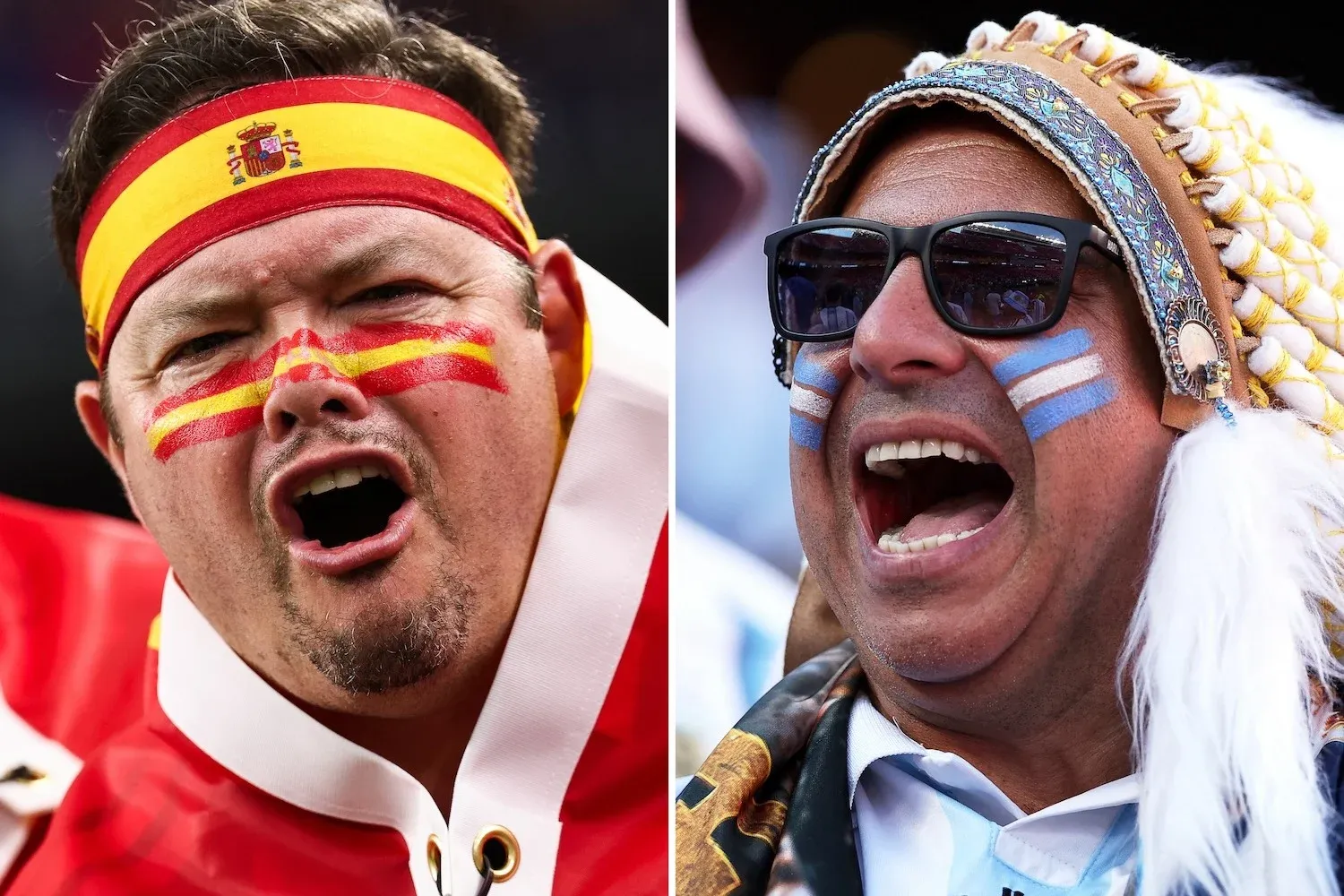
Spain and Argentina will face off in the upcoming FIFA Men’s World Cup final. For decision-makers watching high-stakes global events, the matchup highlights how culture and language shape audience loyalty.
Spain and Argentina are set to meet in the upcoming FIFA Men’s World Cup final, turning two countries that share a common language and an obvious love for soccer into direct rivals on the biggest stage.
The headline is simple: their teams will face off in the FIFA Men’s World Cup final. But the reason this pairing grabs attention goes beyond the bracket. Spain and Argentina both speak Spanish, and both have built national soccer identities around deep club ecosystems, lifelong fan rituals, and players whose names travel well beyond their home leagues. That shared language does not decide the match. It does, however, prime the way millions of viewers in Spanish-speaking markets process what they see, how quickly they connect with storylines, and why the broadcast feels personal.
To understand why a final like this matters to executives and operators, it helps to think about what the World Cup is in business terms. It is not just sport. It is a global, time-compressed attention engine that concentrates media spend, sponsorship activation, merch demand, and streaming or broadcast engagement into a short window. Finals are where those systems peak, because uncertainty collapses into a single outcome. For brands and platforms, that means every decision from creative messaging to partnership timing gets stress-tested. A shared language can amplify the effect. When a sponsor can tell a consistent story across regions, the “translation cost” drops, and the audience can feel like the product is speaking directly to them, not through subtitles.
Still, the original framing from Foreign Policy is pointed: they share a common language and a love for soccer, but not much else. That line is useful because it hints at the limits of cultural affinity. In a final, national styles collide. Even if fans speak the same language and understand similar soccer idioms, the way each team plays, the expectations each fan base has, and the emotional pressure tied to the country’s soccer history can differ sharply. Those differences can show up in viewing behavior too. Some fans stick with tactics and lineups. Others care more about identity and narrative. Either way, the shared language makes the audience larger and more responsive, but it does not reduce the variance of what happens on the field.
There is also a regulatory and governance angle, even for people who do not follow FIFA day-to-day. FIFA is the organizer of the Men’s World Cup, which means the final is the product of a controlled competition environment, with standardized rules, match operations, and tournament governance that travel across countries. That matters because it makes the event legible to global stakeholders: broadcasters know the format, sponsors know the brand protection and inventory logic, and platforms know the engagement rhythm. When Spain and Argentina meet, they are not just two teams improvising a moment. They are participating in an ecosystem that is built to scale across jurisdictions.
For decision-makers in adjacent industries, the second-order implication is straightforward: audiences do not engage in a vacuum. Language and sports culture can lower friction, but they do not eliminate conflict. In the moments before a final, teams, broadcasters, and partners typically invest in narrative clarity. The better that narrative resonates with local identity, the better the odds of converting casual viewers into fans, and fans into recurring customers for media, merchandise, and related products.
Finally, if you are an investor, operator, or board member looking at how major events translate into outcomes, the Spain versus Argentina final is a reminder of what really drives value. The match is the headline. The flywheel is distribution plus meaning. Shared language can widen the addressable audience and speed up comprehension. Differing national soccer identities keep the story from going bland. And when the dust settles, the highest performers are usually the ones that treated the final as a global product launch, not a single game.
This story's Key Insights and Take-aways are locked.
Create a free account to unlock Executive Actions for one credit.
Register to UnlockAlways free for Executives Club members. Join the Club
More in Politics

LA County: DOJ's 20,000 'noncitizen' voter list is 'unreliable,' includes U.S.-born
Preliminary review by Los Angeles County election officials finds errors in the federal list, raising the stakes for voter roll integrity ahead of November.

Trump's $1.5B Pentagon chip investment lands in North Carolina
A $1.5 billion defense infusion for North Carolina chipmaking signals a new era of Pentagon-backed reshoring - here's what it means for the industry.

Nigeria confirms first Ebola case in Abuja, a woman just off a Uganda flight
Health Minister Muhammad Ali Pate says the patient flew in from Uganda, putting Africa's latest outbreak on Nigeria's doorstep.