
Streaming the Stanley Cup Final: Where to Watch Vegas vs. Carolina
A guide to the 2026 Stanley Cup playoffs, detailing the specific streaming options and broadcast channels for the final round.

The 2026 Stanley Cup playoffs, culminating in the final round between the Vegas Golden Knights and the Carolina Hurricanes, are available through various streaming and broadcast platforms. Decision-makers must navigate the specific broadcast rights and streaming packages to ensure comprehensive coverage for their audience.
The 2026 Stanley Cup playoffs, culminating in the highly anticipated final round between the Vegas Golden Knights and the Carolina Hurricanes, are accessible through a variety of streaming and broadcast options. For those looking to follow the action of the fourth and final round of the 2026 Stanley Cup playoffs, multiple platforms offer coverage, ranging from traditional cable television to dedicated digital streaming services. Understanding this complex web of rights is crucial for any fan or media professional tracking the league's biggest moment.
While the specific broadcast schedule and the exact mix of free streaming options can fluctuate, the core principle remains: the NHL utilizes a multi-platform approach to maximize reach and revenue. This means that viewers cannot rely on a single source. Instead, the coverage is distributed across a mix of traditional sports networks, league-owned digital properties, and potentially localized regional sports networks. For the dedicated fan, this requires a degree of planning, but for the media operator, it represents a significant, complex distribution challenge.
Historically, the NHL has continually adapted its distribution model to match the fragmentation of modern media consumption. In previous years, the primary broadcast rights were concentrated with a few major networks. However, the rise of direct-to-consumer (DTC) streaming services, coupled with the increasing power of regional sports networks (RSNs) and global streaming aggregators, has forced a dramatic shift. The league is increasingly treating its content not as a single broadcast product, but as a modular, multi-format asset designed to be consumed wherever the audience is.
This shift has profound implications for the sports media industry. It means that broadcasters and streaming services must now negotiate rights deals that account for granular viewing habits, such as whether a viewer is watching live on cable, catching up via a mobile app, or streaming on a smart TV. The value proposition is no longer just 'access'; it is 'optimal access' across every possible device and viewing context. For the Vegas Golden Knights vs. Carolina Hurricanes final, the complexity of the streaming options is a direct reflection of this industry-wide pivot toward digital fragmentation.
From a business perspective, the league is maximizing its monetization by segmenting its audience. By offering multiple viewing paths, they ensure that they capture revenue from the traditional cable subscriber, the cord-cutter who relies on streaming, and the casual viewer who might only tune in via a free, limited-access feed. This strategy is a masterclass in modern media rights management. It ensures that the revenue streams are diversified, mitigating the risk associated with any single platform's decline or failure.
Furthermore, the availability of 'free streaming options' is a critical component of the league's marketing strategy. These free feeds serve not only as a public service to the fan base but also as a powerful top-of-funnel marketing tool. They keep the brand visible and the conversation going even when a viewer cannot afford or does not subscribe to the premium package. This sustained visibility is invaluable for building hype and driving subscriptions when the high-stakes games finally arrive.
For operators and executives in the media space, the takeaway is clear: the future of sports broadcasting is not a single channel, but an ecosystem. Success requires building partnerships that span traditional media gatekeepers and cutting-edge digital distribution channels. The ability to seamlessly deliver high-quality, live, and archived content across multiple endpoints-from a premium cable box to a low-bandwidth mobile connection-is the new competitive advantage. The NHL's approach to the 2026 playoffs serves as a real-time case study in digital transformation for any major content owner.
Ultimately, the complexity of the viewing options for the Stanley Cup Final is a microcosm of the entire modern media economy. It demonstrates that the most valuable asset is not the game itself, but the reliable, scalable, and multi-platform delivery mechanism that gets the game in front of the maximum number of eyeballs, regardless of their preferred viewing habit or budget. The stakes are high, and the playbook is constantly being rewritten by technology and consumer behavior.
This story's Key Insights and Take-aways are locked.
Create a free account to unlock Executive Actions for one credit.
Register to UnlockAlways free for Executives Club members. Join the Club
More in Entertainment

Backrooms hits $100 million in 6 days, and A24 just made history
The horror hit crossed a massive box office line faster than most arthouse films ever do, reshaping what A24 can do in theaters.
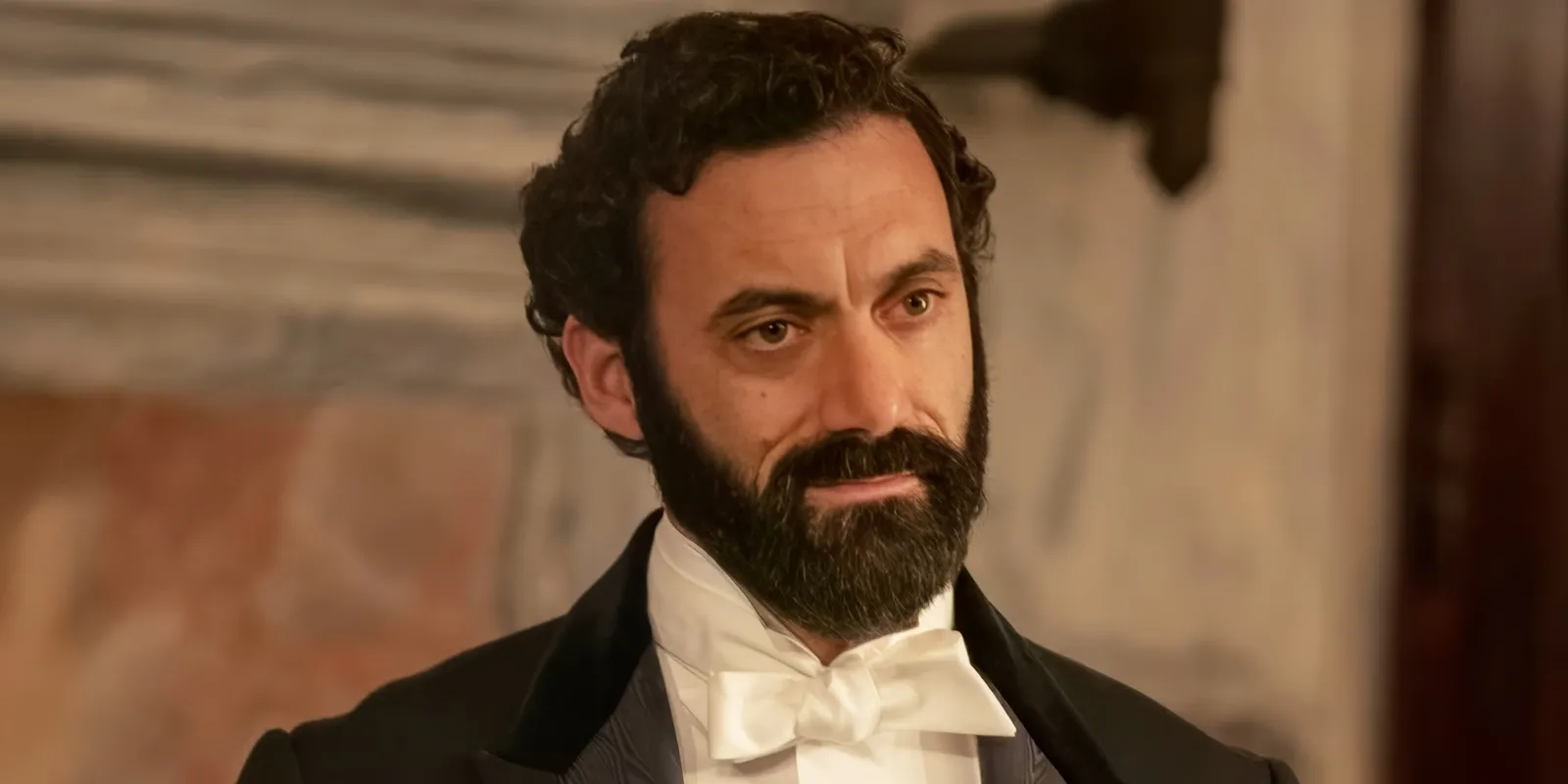
HBO’s Bridgerton Rival Quietly Climbs Back Into the Streaming Race
As Netflix’s period-drama juggernaut keeps widening the market, HBO’s fan-favorite response is regaining momentum ahead of Season 4.

Carrie Brzezinski-Hsu gets Disney's first company-wide creative agency
Main Street folds Yellow Shoes and The Hive into one marketing hub, giving Disney a single creative engine across entertainment, sports, experiences, and consumer products.