
Trump visa rules allegedly shut out fans and barred a referee at 2026 World Cup
FIFA promised the “most inclusive” tournament. Rights groups say visa policy and staffing decisions undermined that pledge.

A coalition of rights groups, the Sport & Rights Alliance, says the Trump administration’s visa policies disrupted the 2026 World Cup’s planned inclusivity and even barred a referee. The group says it will release a report in September detailing human rights issues at the tournament.
FIFA failed to deliver on its pledge to make the 2026 World Cup the “most inclusive” in history, and a coalition of rights groups says the trigger was the Trump administration’s visa policies. According to the Sport & Rights Alliance, those visa rules shut out fans from several countries and even barred a referee from officiating at the tournament. The group says it will release a report in September detailing human rights issues at the tournament.
That sequence matters because it turns an aspirational tournament brand into a compliance and reputational problem in real time. When a global event sells “inclusion” as a headline promise, attendance and access are not PR details. They are the business outcome. Rights groups are now arguing that U.S. visa policy, acting through tournament participation, directly collided with FIFA’s stated goal.
To understand why this is a big deal for executives, step back to how major sports events operate. FIFA does not run in a vacuum. International tournaments are permission ecosystems, spanning governments, regulators, and immigration authorities. For a tournament hosted in or involving U.S. territory, fan access depends on visa processes, while on-field officiating depends on travel clearance for the referees and match officials. In that world, a single policy lever can ripple from border control to stadium seats to the integrity of match operations.
The Sport & Rights Alliance claims the visa policies “shut out fans from several countries.” Even without the underlying list of countries spelled out in this report, the structure is clear: if fans cannot travel, the tournament fails the inclusion test at the point where inclusion should show up, at the turnstiles. The claim that it also “barred a referee from officiating” raises a second, more operational risk. Referee eligibility is not just a staffing logistics issue. It affects match readiness and the tournament’s credibility in the eyes of teams, broadcasters, sponsors, and fans watching globally.
There is also a governance angle. FIFA made an inclusion pledge, and rights groups are now saying the pledge did not survive contact with real-world policy. When that gap shows up, it often triggers questions that boards and senior leaders cannot ignore: Who is accountable for preempting policy friction? What assurances did FIFA seek from governments? And what contingency planning exists when immigration rules change or are interpreted in ways that restrict participation? Even if responsibility is shared or contested, the reputational damage tends to land on the rights-holder that made the public promise.
From a regulatory and stakeholder-management standpoint, September’s promised report is the next checkpoint. The Sport & Rights Alliance said it would release a report in September detailing human rights issues at the tournament. For executives in sports, media, and global events, a scheduled report matters because it can harden from “allegation” into “documented pattern,” especially when policy-based access barriers are involved. That kind of output is typically the fuel for further scrutiny, including from governments, international institutions, sponsors, and partner organizations that care about reputational and compliance risk.
Zooming out, this story is also a reminder about the mismatch between marketing timelines and regulatory timelines. FIFA’s “most inclusive” framing is designed to mobilize goodwill ahead of a massive event. Immigration decisions, on the other hand, are frequently slower, politicized, and subject to changing enforcement priorities. Rights groups appear to be arguing that those enforcement priorities translated directly into denied participation. In global business terms, it is the classic problem of assuming operational conditions will behave like the brand promise.
For decision-makers at FIFA-like organizations, sports leagues, tournament operators, and sponsors, the second-order implication is straightforward: inclusion is now an access-and-eligibility risk category, not only a values statement. If governments restrict visas or interpret entry rules in ways that block fans or bar officials, leaders must treat participation access as a core operational dependency. The stakeholders watching are the same ones who can move money and decisions quickly: boards, sponsors, insurers, broadcasters, and international partners. And once rights groups start documenting impacts, the cost of being reactive tends to rise fast.
In the end, this is not just about 2026 as a future event. It is about whether a global organization can protect its own stated principles when outside policy controls the flow of people. The Sport & Rights Alliance is claiming that FIFA’s inclusivity pledge was undermined by the Trump administration’s visa policies, with consequences ranging from fans being shut out to a referee being barred. The September report promise is the signal that this will not stay a headline. It is positioning for accountability.
This story's Key Insights and Take-aways are locked.
Create a free account to unlock Executive Actions for one credit.
Register to UnlockAlways free for Executives Club members. Join the Club
More in Politics
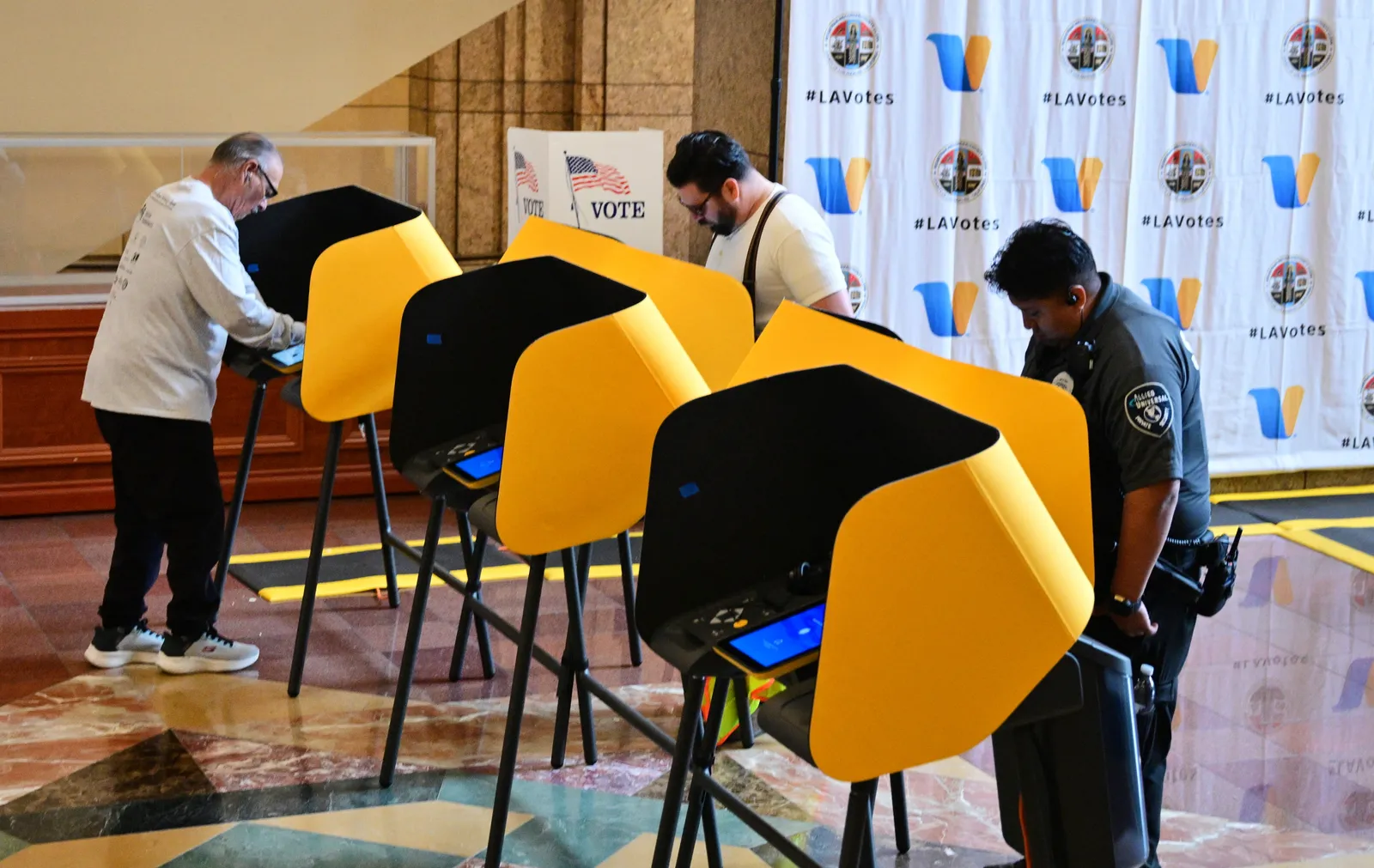
LA County: DOJ's 20,000 'noncitizen' voter list is 'unreliable,' includes U.S.-born
Preliminary review by Los Angeles County election officials finds errors in the federal list, raising the stakes for voter roll integrity ahead of November.
Trump's $1.5B Pentagon chip investment lands in North Carolina
A $1.5 billion defense infusion for North Carolina chipmaking signals a new era of Pentagon-backed reshoring - here's what it means for the industry.
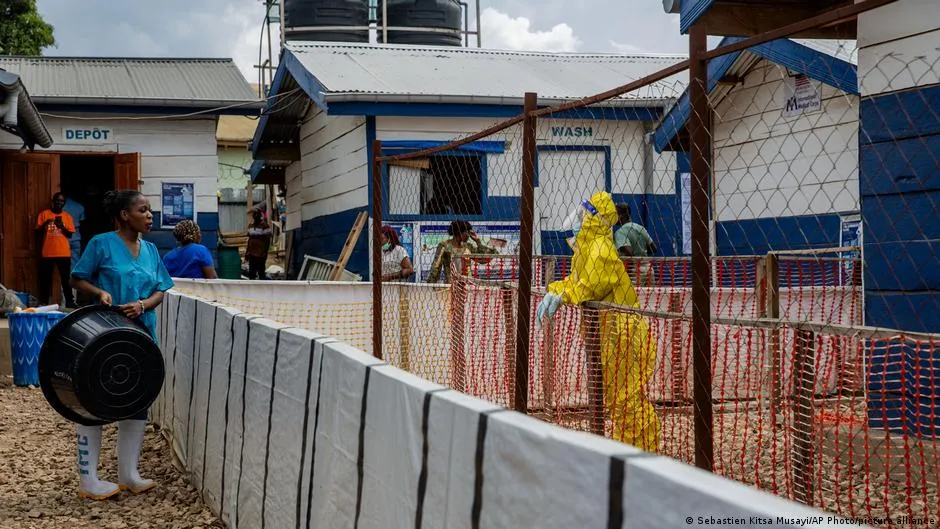
Nigeria confirms first Ebola case in Abuja, a woman just off a Uganda flight
Health Minister Muhammad Ali Pate says the patient flew in from Uganda, putting Africa's latest outbreak on Nigeria's doorstep.