
Wall Street's $12 trillion SpaceX price targets clash with post-IPO reality
Citigroup projects a $12 trillion market cap for SpaceX, but banks' lofty price targets ignore the company's struggle to reach public-market exit velocity. Here's what the research really says.
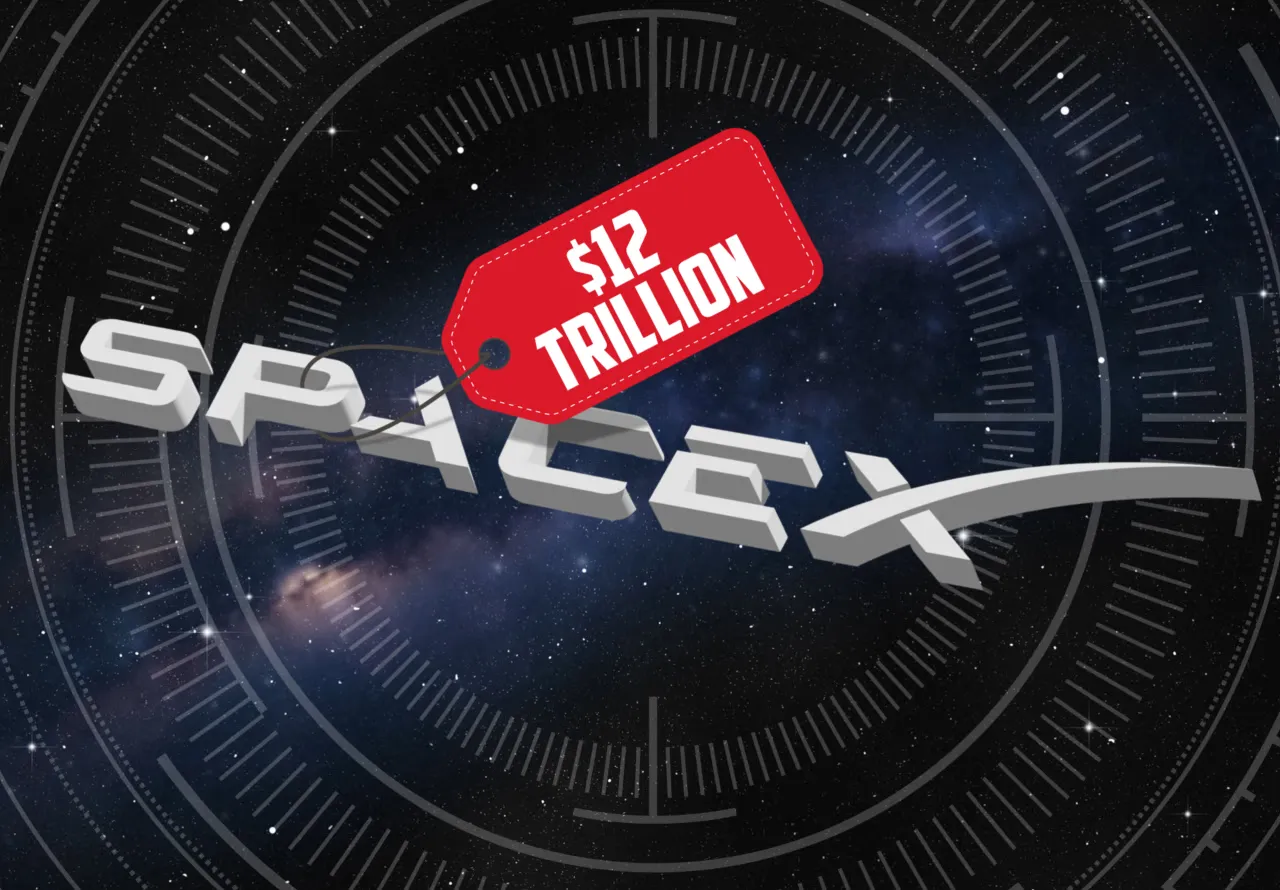
Citigroup has projected a $12 trillion market capitalization for SpaceX, while Wall Street banks maintain astronomical price targets on the company's stock. For investors and executives, the gap between these projections and SpaceX's actual post-IPO exit velocity signals a potential mispricing and a cautionary tale about AI-driven hype.
Citigroup's $12 trillion market-capitalization projection for SpaceX is the headline number, but it sits awkwardly against the company's reported struggle to achieve post-IPO exit velocity. The source notes that Wall Street banks are keeping astronomical price targets on SpaceX's stock even as the company faces challenges in its path to a public listing. This disconnect is not just a curiosity; it is a window into how investment-bank research can drift far from operational reality, especially when the AI boom inflates expectations across the tech and space sectors.
SpaceX is not publicly traded, so these price targets likely refer to private secondary market valuations or hypothetical IPO scenarios. The AI boom has fueled such projections, with Citigroup's figure being one of the most extreme. But the gap between these targets and the company's actual exit velocity raises questions about the reliability of investment-bank research. If a bank can project a market cap that would dwarf every public company on Earth, what does that say about the rigor behind the analysis? The source explicitly frames this as a story about investment-bank research, not just SpaceX's prospects.
Investment banks often issue optimistic price targets to win underwriting mandates or maintain relationships with high-profile clients. In the case of SpaceX, the allure of the AI and space economy has led to aggressive projections. However, the company's struggle to achieve post-IPO exit velocity suggests that the market may not be ready to absorb such valuations. Exit velocity, in this context, refers to the speed at which a company can generate returns for early investors after going public. If that velocity is low, the price targets become even more questionable, as they imply a level of demand that may not exist.
For investors, the implications are direct. If banks are setting targets that are out of line with reality, those who rely on these reports could be misled. The $12 trillion figure implies a market cap that would exceed the combined value of the world's largest companies, which seems implausible given SpaceX's current revenue and profitability. This disconnect is a red flag for those considering exposure to SpaceX through secondary markets or future IPOs. The source does not provide specific revenue or profit numbers, but the sheer scale of the projection invites skepticism.
The broader context is that the AI boom has created a similar pattern across tech, with banks projecting massive valuations for companies that have yet to prove their business models. SpaceX, with its dominant position in launch services and Starlink, has real potential, but the pace of growth may not justify such extreme targets. The struggle to achieve exit velocity suggests that the public market's appetite for such high-risk, high-reward stories is limited. This is not to say SpaceX will fail, but rather that the timeline and valuation implied by these price targets may be overly optimistic.
The path to IPO is also complicated by regulatory hurdles and the need for consistent financial performance. SpaceX's reliance on government contracts and its capital-intensive nature add layers of risk that banks may be downplaying. The post-IPO exit velocity is a measure of how quickly a company can generate returns for early investors, and if that velocity is low, the price targets become even more questionable. Regulatory scrutiny of such research could increase, especially if it appears to be disconnected from fundamentals, as the source suggests.
For executives in similar high-growth sectors, this situation underscores the importance of grounding valuations in fundamentals rather than hype. Boards should question whether their own advisors are providing realistic assessments or simply feeding the narrative. The SpaceX case is a cautionary tale about the dangers of astronomical price targets that ignore operational realities. It also highlights the need for investors to look beyond the headline numbers and demand transparency about the assumptions behind them.
Ultimately, the $12 trillion projection is a headline-grabber, but the real story is the disconnect between Wall Street's enthusiasm and SpaceX's actual progress. Investors and executives alike should treat such research with skepticism, focusing on tangible metrics like revenue, cash flow, and market readiness. Until SpaceX demonstrates it can achieve the exit velocity banks are pricing in, the astronomical targets remain just that - astronomical. The source's framing makes clear that this is a moment to reassess how investment-bank research is produced and consumed in an era of AI-fueled speculation.
This story's Key Insights and Take-aways are locked.
Create a free account to unlock Executive Actions for one credit.
Register to UnlockAlways free for Executives Club members. Join the Club
More in Business

Tim Cook steps down as Apple CEO, stays on as chair with $45M equity
The 'Trump whisperer' keeps his White House and Beijing access as Apple navigates tariffs and a $4.6 trillion market cap.
Snowflake shares surge as AI data demand crushes estimates, lifting full-year forecast
Stocks jumped on stronger-than-expected guidance, signaling enterprise AI workloads are accelerating faster than Wall Street priced in.
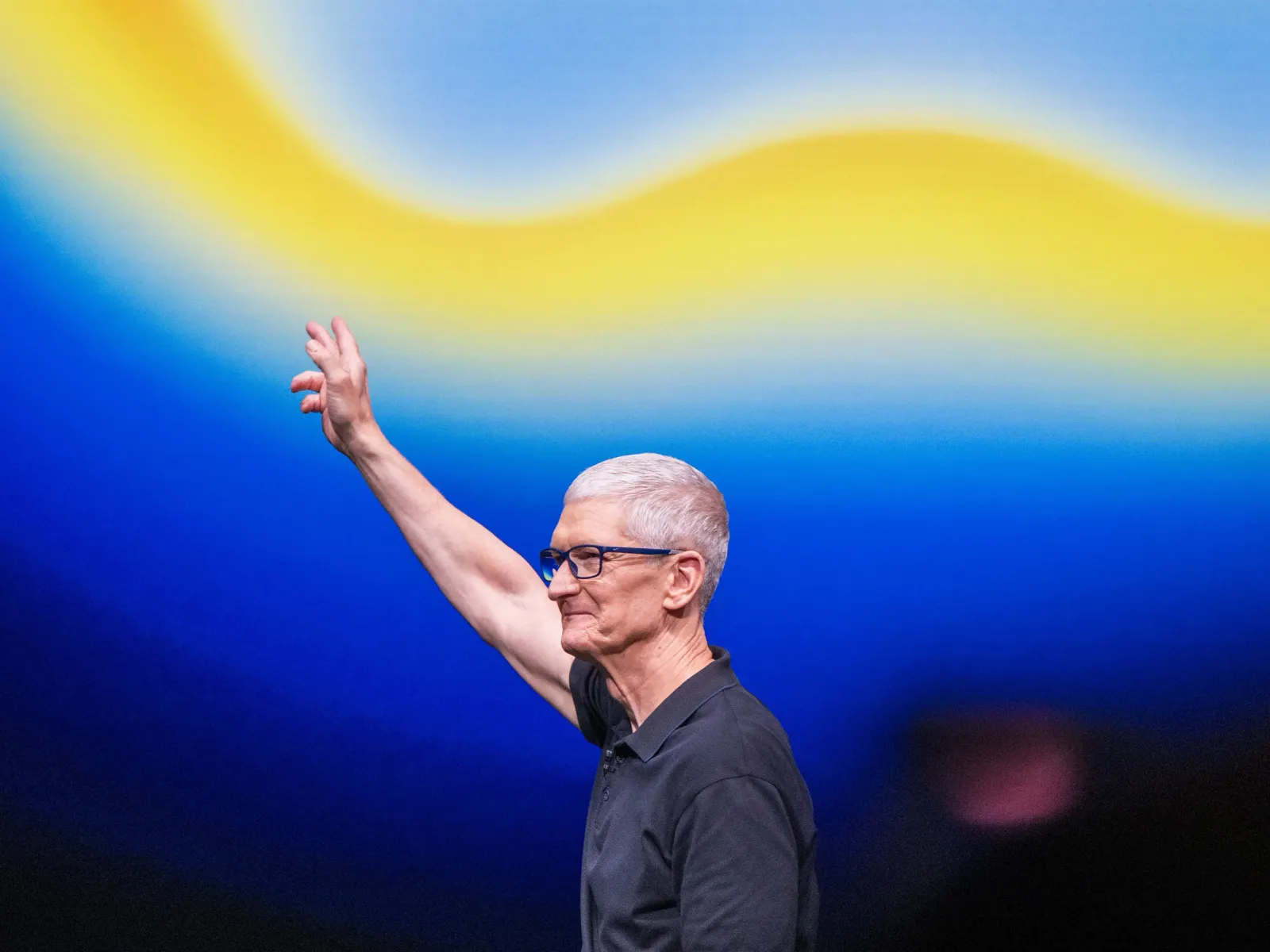
Tim Cook's 15-year Apple CEO run ends: 3 lessons for any successor
After 15 years, Tim Cook hands Apple to John Ternus - here's how he turned a $350B company into a $4.6T juggernaut.