
WoW Camelot may be Blizzard’s “Classic Plus” test, with multiple purchasable editions
Dataminer Stiven spotted two “World of Warcraft Camelot” license types tied to a 2006 raid patch and BlizzCon timing.
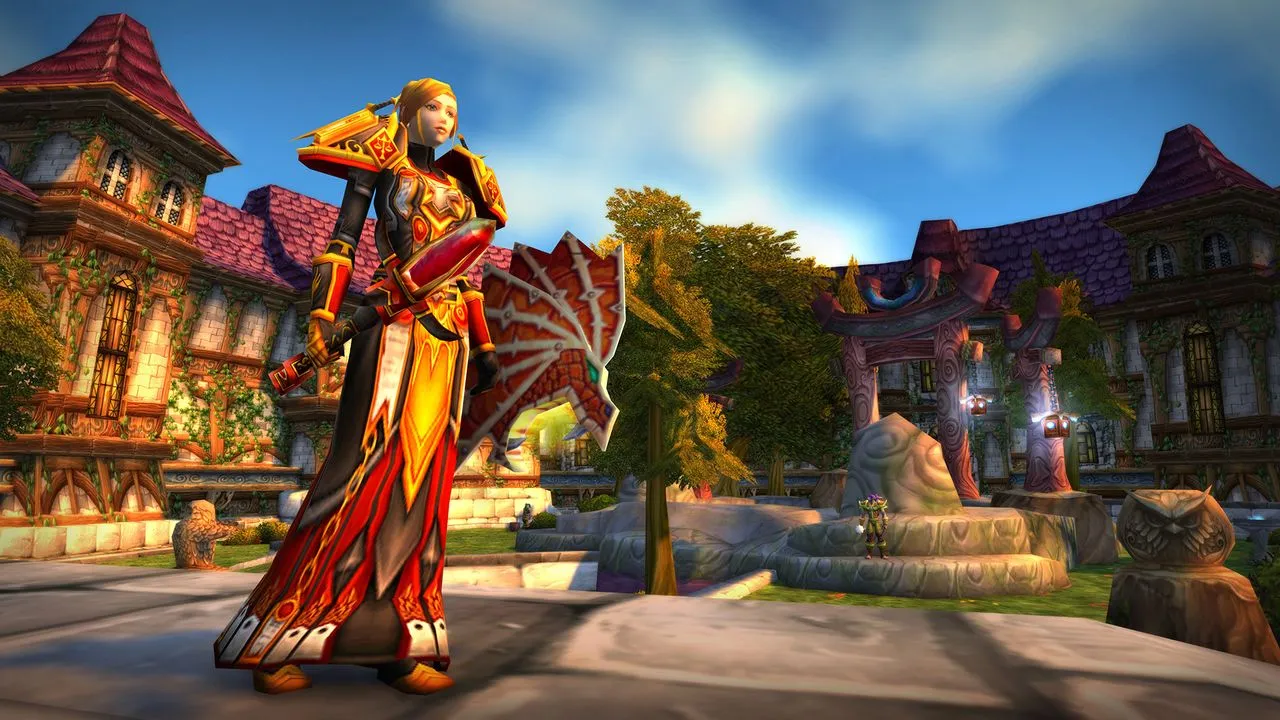
A WoW dataminer, Stiven, found licenses for “World of Warcraft Camelot” on Blizzard servers and linked it to July 2006 patch content. If it really is “WoW Classic Plus,” decision-makers should treat September’s BlizzCon as a likely on-ramp for a fresh monetization and engagement bet.
A dataminer has found Blizzard server licenses for a new World of Warcraft branch called “World of Warcraft Camelot,” and the details look a lot like the community’s long-running “WoW Classic Plus” wish. According to the PC Gamer source, a WoW dataminer named Stiven spotted licenses for two versions of “World of Warcraft Camelot” on Blizzard’s servers. The names matter, because multiple editions imply something more formal than a casual internal experiment.
The same discovery also points to timing that fans can triangulate: “World of Warcraft Camelot” appears connected to the July 2006 patch that introduced a raid players might remember from the viral “Leroy Jenkins” video. PC Gamer also notes that this is the same patch a version of WoW was mysteriously running on last year. For executives, that is not just trivia. It is a breadcrumb trail that suggests Blizzard is testing a specific “slice” of Classic era content, not inventing a random new branch.
So what is “Camelot”? The source is careful: instead of treating it as an Arthurian spin-off, Stiven theorizes that “World of Warcraft Camelot” is a codename for an enhanced version of WoW Classic, essentially what hopeful players have dubbed “WoW Classic Plus.” The fact pattern here is basically licenses plus patch alignment. Licenses for “World of Warcraft Camelot” exist, two types exist (the source specifically says “New Heroic and Epic Licenses”), and the content footprint ties back to July 2006.
This is where incentive design shows up. Blizzard has a recurring challenge with long-lived MMOs like World of Warcraft: you can modernize the game, but you also risk shrinking the audience that liked the original friction and rhythm. PC Gamer points out that WoW Classic’s popularity is “waning” as the MMO moves closer to the modern version. In that context, “Classic Plus” would be a way to re-energize the Classic cohort by mixing new elements into old foundations, instead of forcing players to fully migrate to the current game experience.
Blizzard is not starting from zero here. The source reminds readers that Blizzard previously “dabbled with the idea of mixing things up” via Season of Discovery, and it hints that something similar could happen again. That is important for decision-makers because it signals an internal playbook: experiment with Classic-style distribution and progression, then selectively broaden appeal if the data supports it. “Camelot” looks like a next step, but the source does not claim certainty. It frames this as dataminer evidence and plausible inference, not a confirmed Blizzard announcement.
The BlizzCon timeline is another reason this matters now. PC Gamer says September’s BlizzCon might be the place where Blizzard finally talks about “WoW Classic Plus.” If Blizzard wants something playable on a convention floor, internal testing would need to start earlier enough for iteration and QA. PC Gamer also notes Blizzard invited a bunch of WoW Classic streamers to its offices in Irvine to see something new under an NDA. Again, the source is reporting, not speculating wildly. But the combination of NDA impressions plus server-side artifacts is the kind of triangulation that typically precedes an event-level reveal.
This also fits a broader pattern PC Gamer highlights: Blizzard has a history of “letting things slip” through internal server updates. Players who follow these releases often watch for the PTR server, treating it as the signal that a patch is coming. The source points to other leaks too, like Diablo 4’s new paladin class accidentally revealed by poorly named internal builds. For executives, that is a governance lesson as much as a gaming one. When release discipline is imperfect, community discovery becomes a parallel intelligence network. That can compress the timeline between internal testing and public narrative building, raising the odds of reputational or expectation risks if the eventual announcement does not match what fans inferred.
Finally, the strategic stakes extend beyond Blizzard’s own audience. World of Warcraft competes for attention across the MMO ecosystem, and the “Classic Plus” concept is essentially a new engagement format: branch off from an original version and add new decisions based on something old, similar in spirit to how Old School RuneScape evolved. If Blizzard pulls it off, it could set a template for other live games that are trying to keep legacy audiences without freezing innovation. If it misses, it risks reinforcing the very “modern conveniences” gap that keeps some Classic fans attached, while also not attracting new players who bounce off outdated gameplay.
BlizzCon in September and the visible server licensing trail tied to the July 2006 patch do not guarantee “Camelot” becomes “Classic Plus.” But the evidence in the source is concrete: two editions, specific patch alignment, and last year’s mysterious WoW running on the same patch, plus streamer NDA activity. For decision-makers, the takeaway is clear: treat “Classic Plus” as a credible near-term bet. The board-level question is not whether fans are talking about it. The question is whether Blizzard is building the product behind the talk, and whether “Camelot” is the codename that turns that talk into something purchasable.
This story's Key Insights and Take-aways are locked.
Create a free account to unlock Executive Actions for one credit.
Register to UnlockAlways free for Executives Club members. Join the Club
More in Entertainment
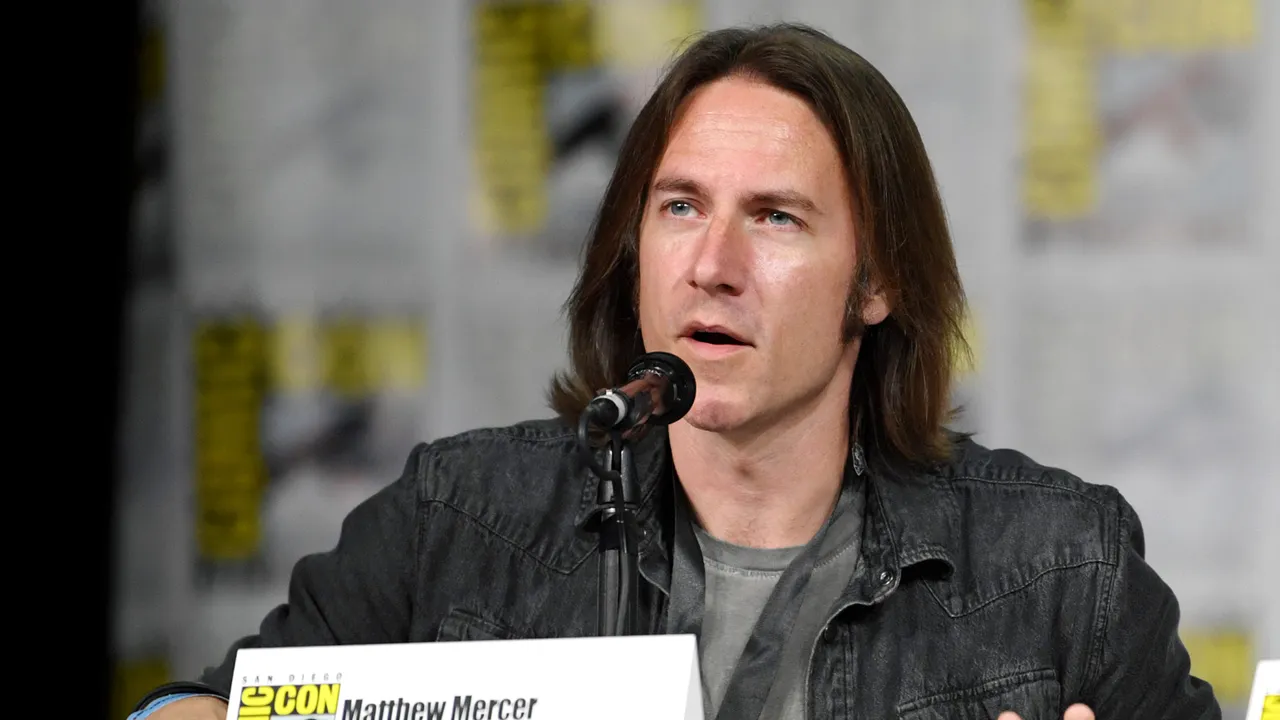
The Matt Mercer Effect myth is ruining RPG first games, and it starts with session zero
The fix is not finding a better voice actor. It is setting expectations before anyone sits down to play.
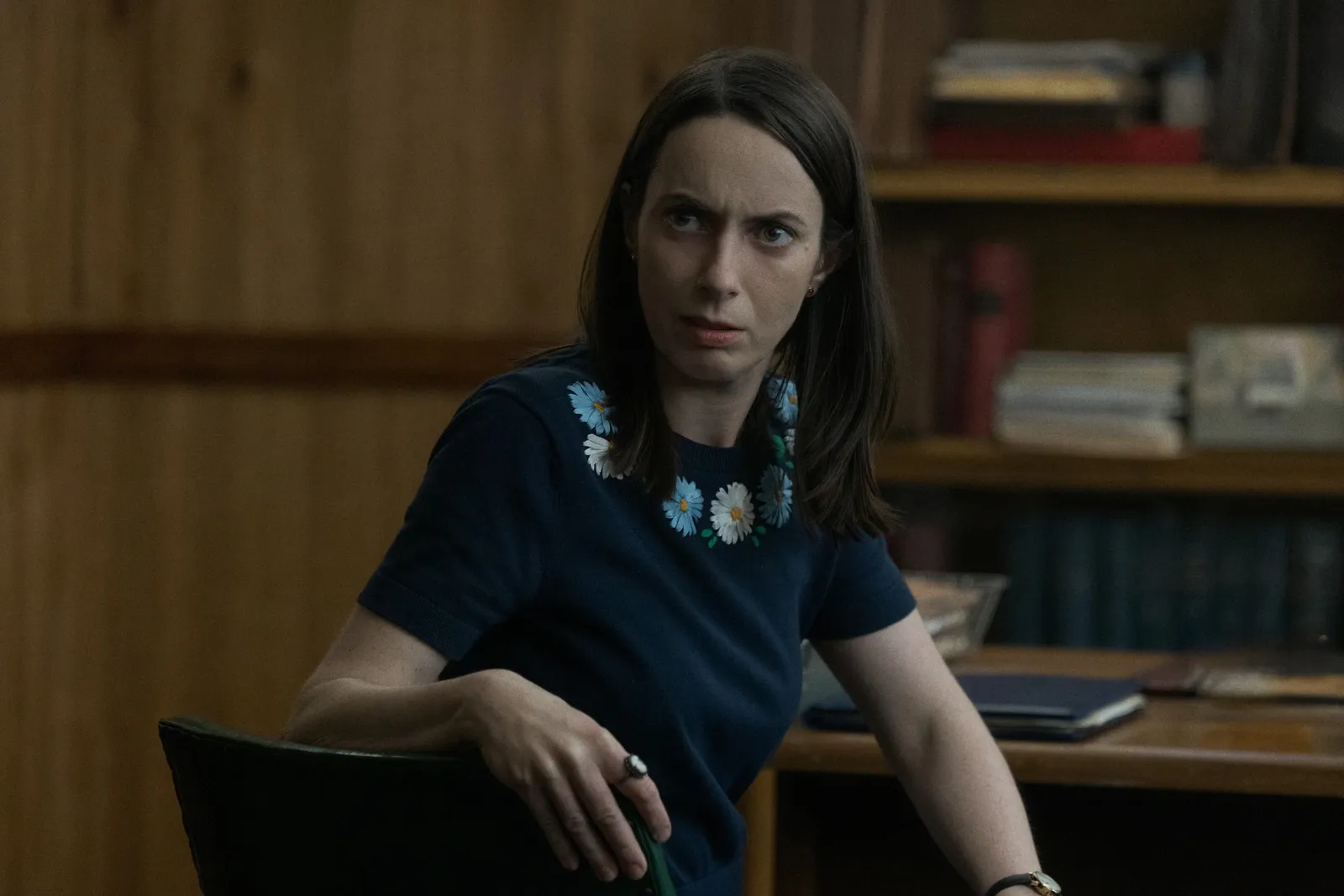
Widow's Bay season 1 ends with Mayor Tom Loftis' tourist gambit detonating into chaos
Director Hiro Murai explains the ending, the fallout of Tom Loftis' scheme, and the season 2 teaser direction.

Michael Sarnoski targets 2027 Death Stranding shoot, with overlapping characters from the games
A script second draft plus an Iceland and Northern Ireland plan signals momentum, while the “overlapping characters” tease answers the fan question.