

Meta spent $400 million, beat the FTC, then gave Supernatural back
Meta’s reversal after a hard-fought antitrust win shows how expensive strategic bets can still end up back with the founders.
By Khalid Al-Harbi·· 3 min

Curating from trusted global sources…
Curated from trusted global sources, refined into briefing-grade analysis with executive summaries, insights, and bullet-point takeaways.
Meta’s reversal after a hard-fought antitrust win shows how expensive strategic bets can still end up back with the founders.
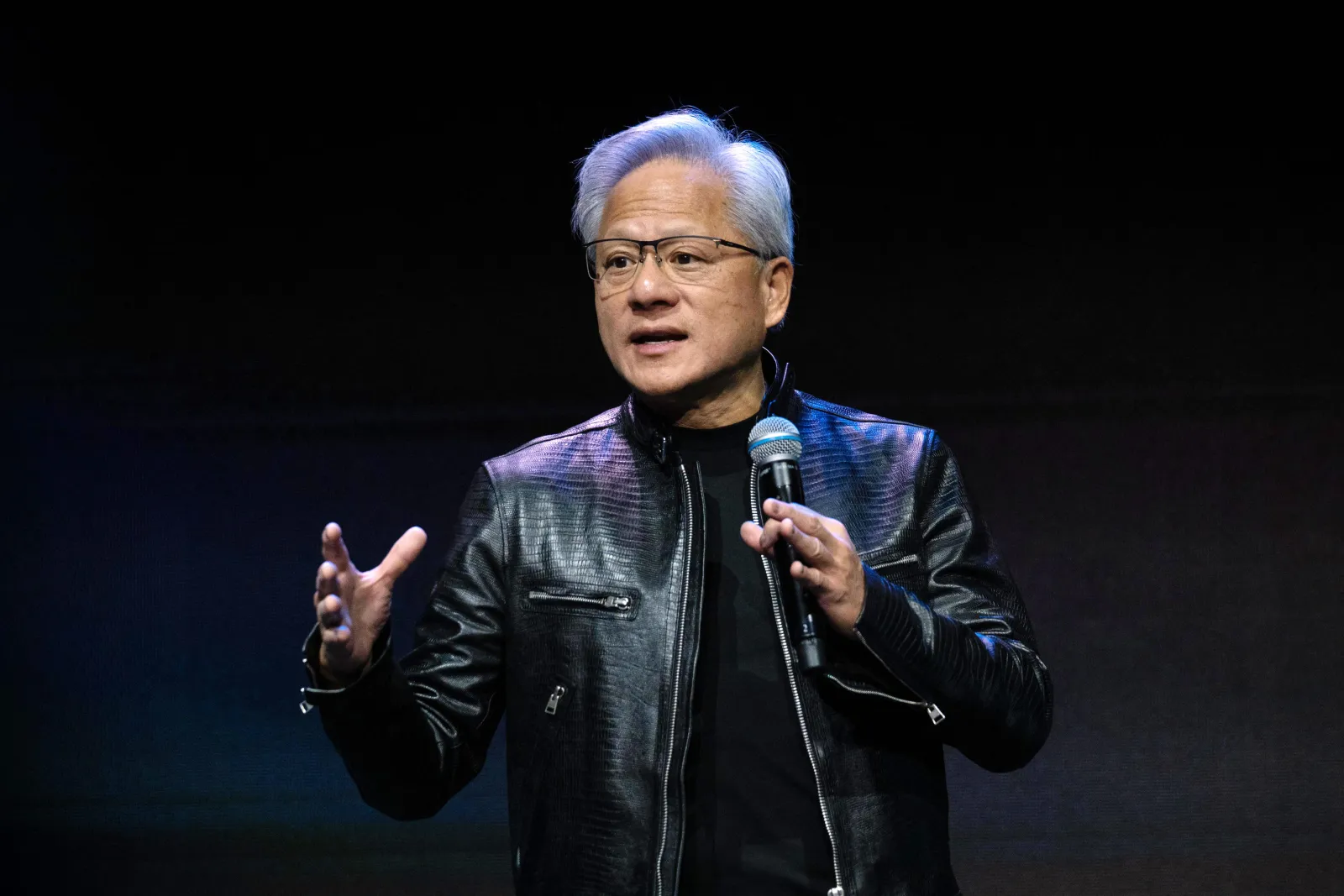
Nvidia’s laptop-chip push is no experiment: Huang says the company is already charting multiple generations, aiming for voice-controlled computers and droids.

The country giant is openly entertaining offers for his fully owned music rights, and a record-breaking deal could reshape streaming access and bidding math.

A Duboce Triangle listing turns pre-IPO AI equity into home-buying currency, exposing how paper wealth is reshaping luxury real estate.

Swift's new Pixar song is more than a soundtrack cameo: it's a clean example of how fandom, nostalgia, and scarcity still sell product at scale.

Riley’s blast at Martin Scorsese’s Black Forest Labs endorsement turns one filmmaker’s AI move into a bigger question: who gives generative AI legitimacy, and why.
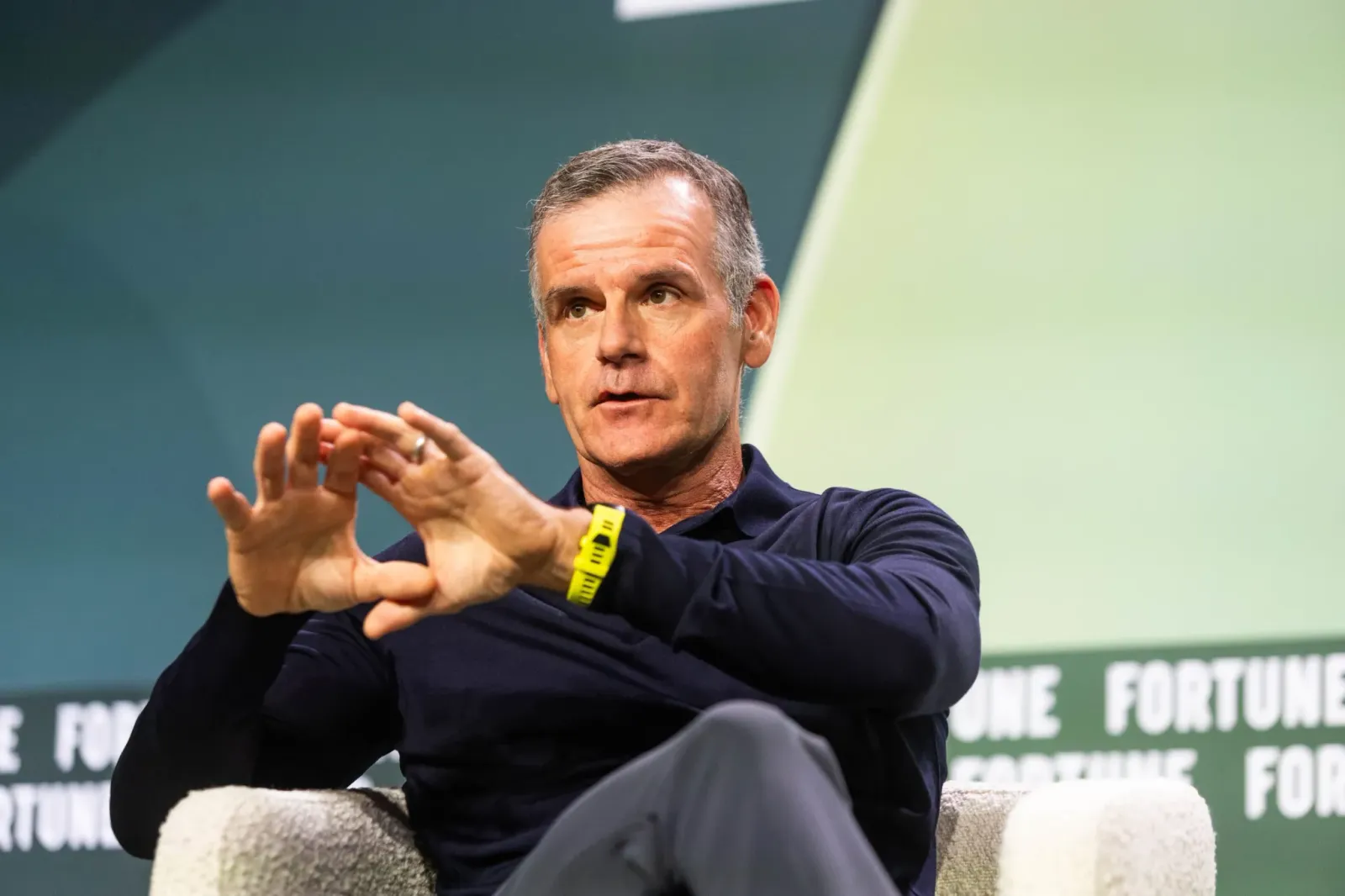
The Freshworks CEO’s career turns on hard pivots: big deals, ruthless focus, and an AI reckoning for customer-support software.

Japan's biggest life insurer is moving deeper into private credit, a sign that insurers are stretching beyond bonds as returns stay hard to find.
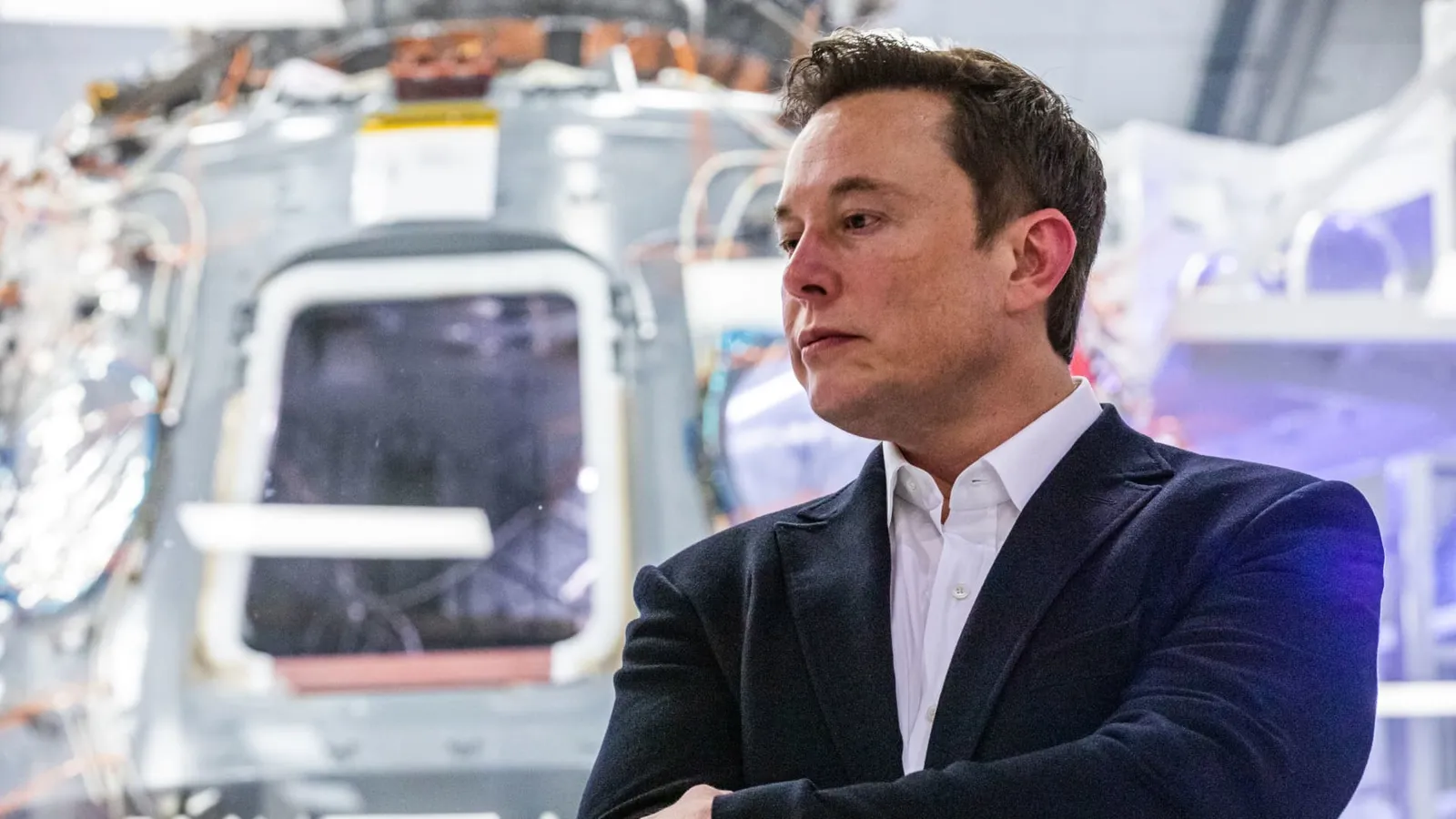
A fixed $135 IPO roadshow price would put SpaceX at $1.75 trillion, a milestone that reshuffles how founders, boards, and public-market investors compare private and listed giants.

Matt Murphy says copper interconnects are fading, Nvidia is backing the shift, and Marvell is racing Broadcom to own the optics layer.
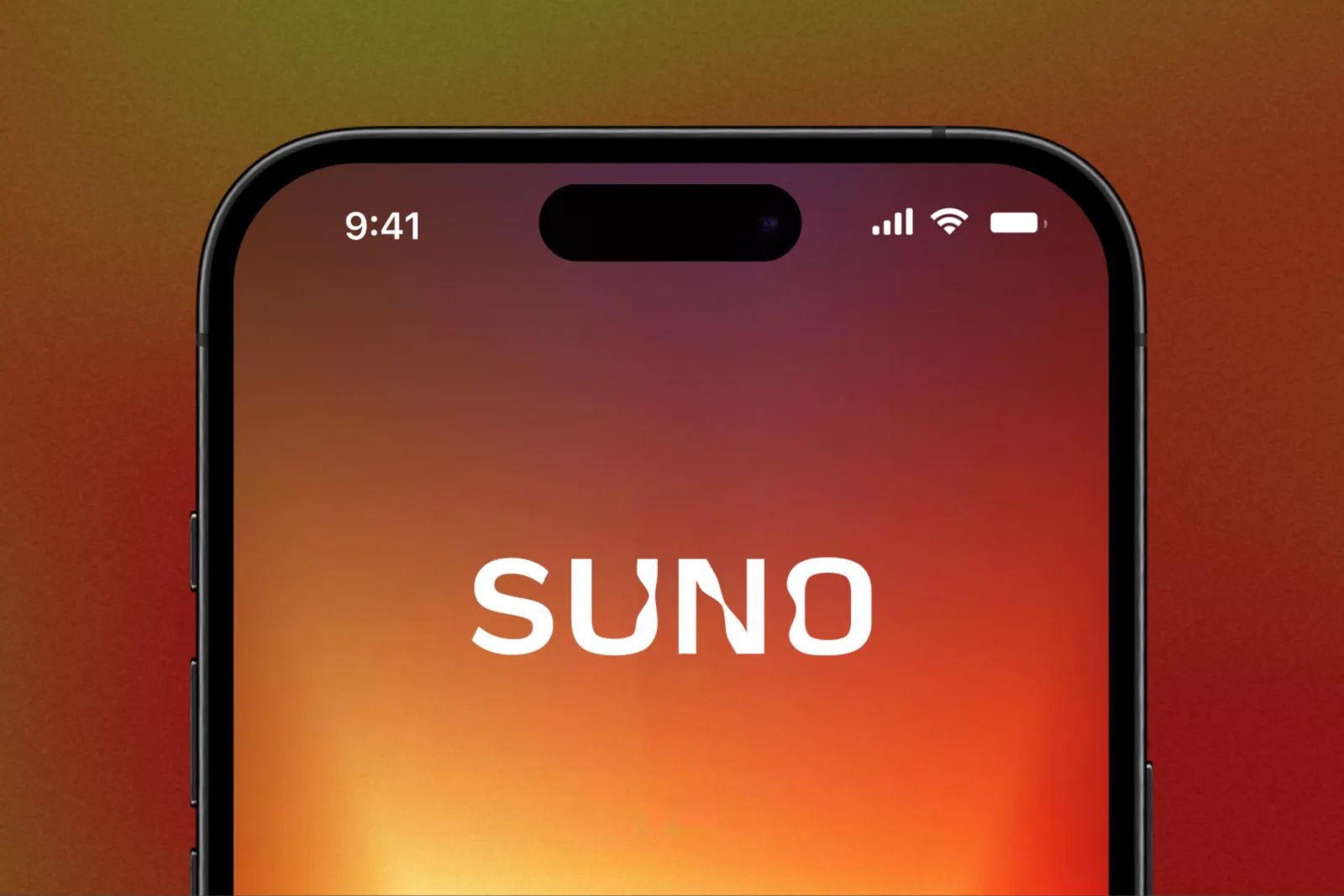
The new funding shows investors still believe AI music can become a major platform business, even as the category faces legal and creator backlash.

Enterprise SSD demand for AI data centers pushed NAND flash revenue to a record in Q1 2026, and the price squeeze is now reaching PCs, phones, and consoles.