

Scientists crack an 80-year mystery by revealing hidden individuality in viral infections
A new method shows microbes do not respond uniformly to viruses, giving researchers a sharper map of infection and destruction.
By Lama Al-Rashid·· 3 min

Curating from trusted global sources…
Curated from trusted global sources, refined into briefing-grade analysis with executive summaries, insights, and bullet-point takeaways.
A new method shows microbes do not respond uniformly to viruses, giving researchers a sharper map of infection and destruction.
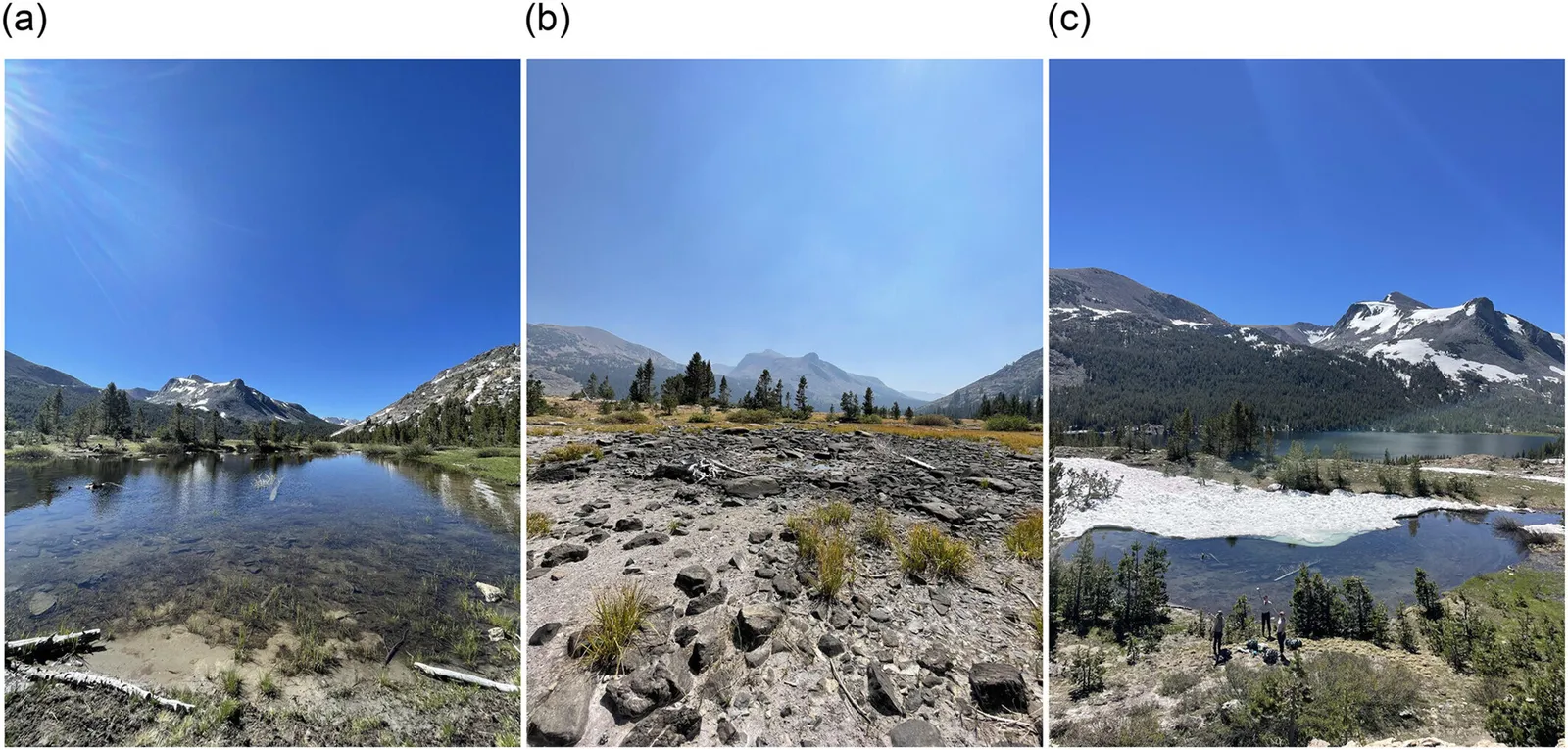
New Ecosphere research links winter snowfall to summer pond extremes that reshape alpine ecosystems.

When an unusual space rock crashed through the roof, the homeowners became critical partners in figuring out its makeup.
New Congo Basin colobus likweli is genetically distinct, tiny in range, and already facing poaching pressure.
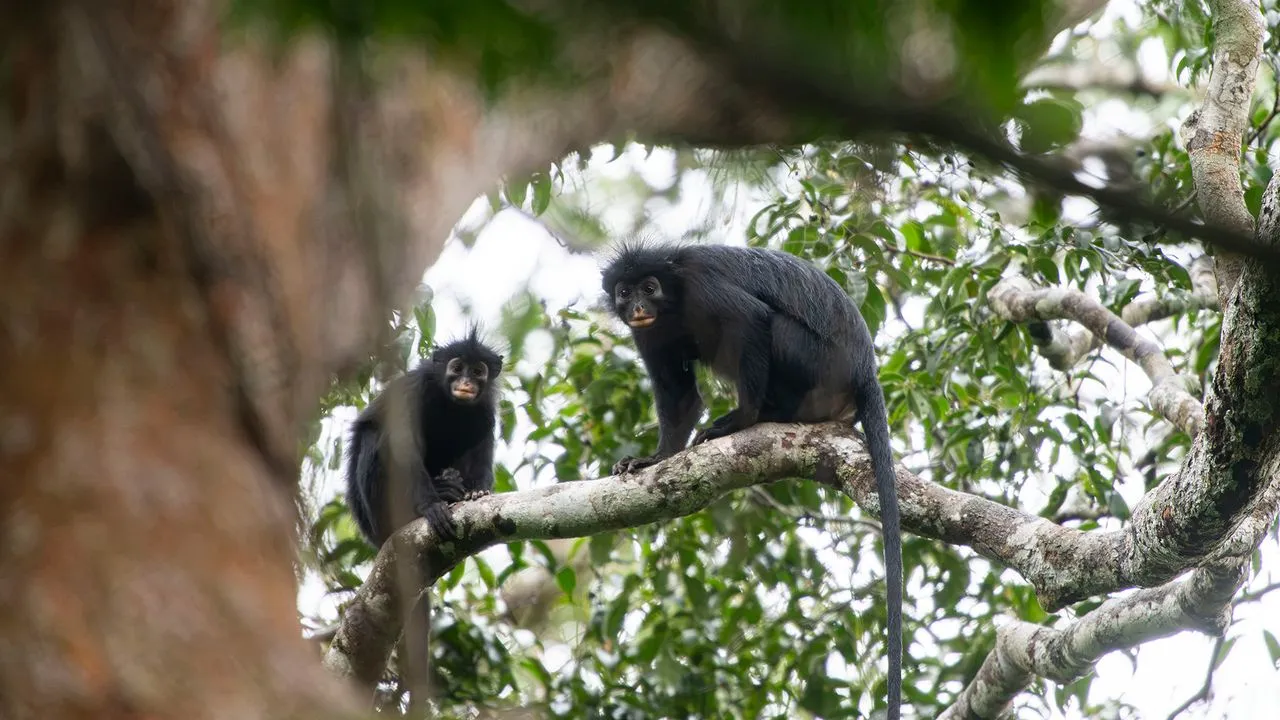
The Congo’s orange-lipped, roar-and-snort monkey is described in PLOS One, and its DNA redraws African primate timelines.
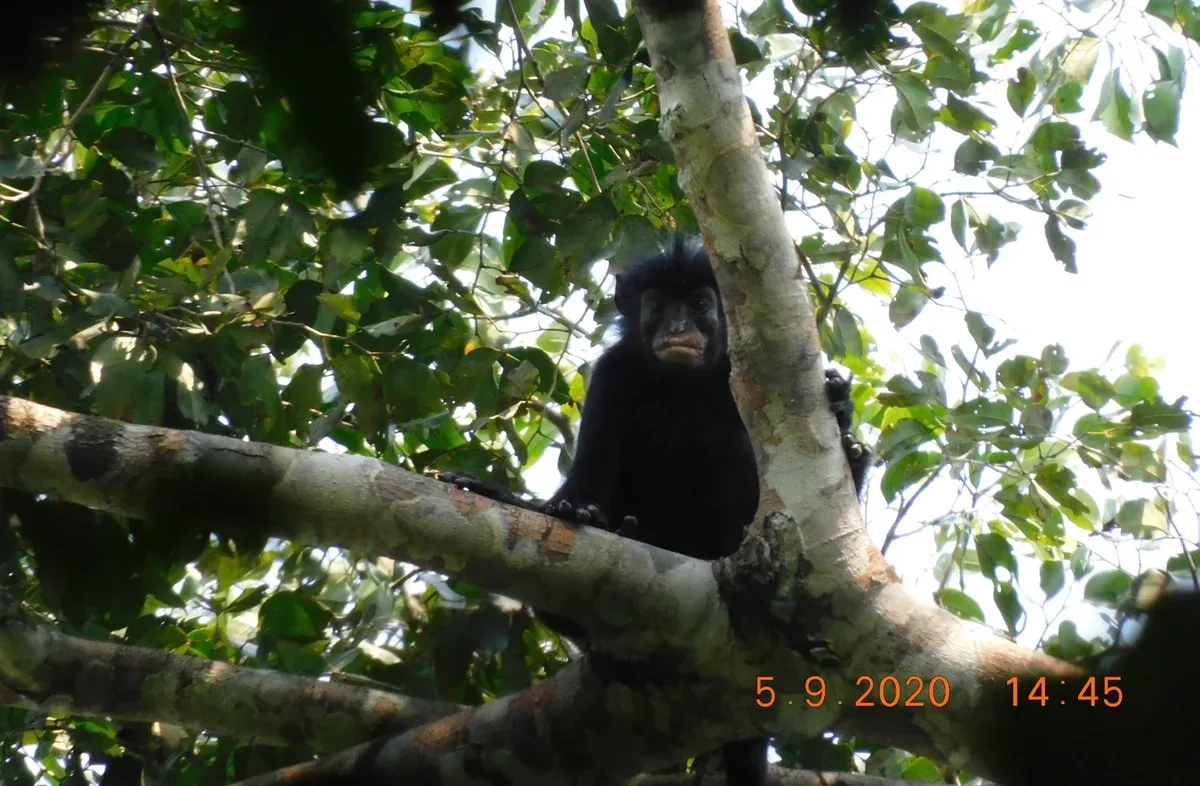
The discovery of Colobus congoensis could already be endangered, raising immediate conservation stakes.

They detected the ultraviolet “Hawking partners” and the back reaction that reshapes the analogue event horizon.
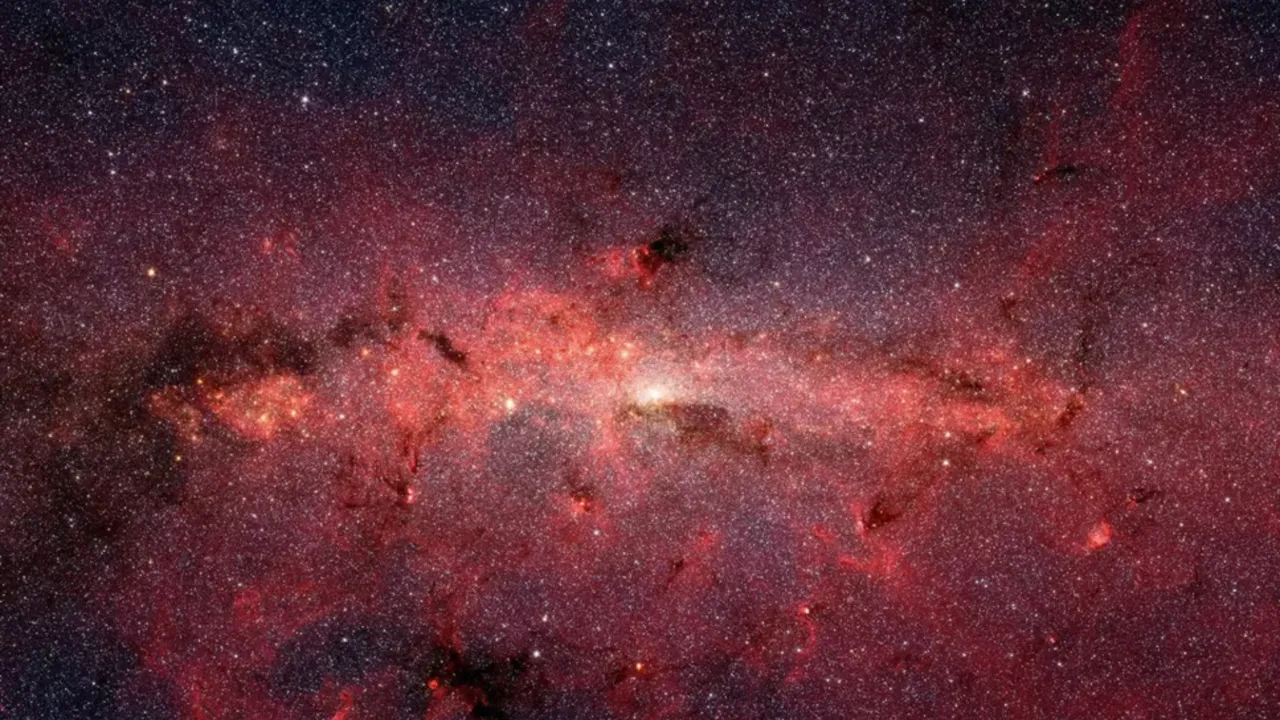
A raspberry-like molecule in a molecular cloud could reshape origin-of-life chemistry, even if Earth never makes cosmic candy.

Heat alone is bad. Heat plus high humidity can become biologically unmanageable, and the wet-bulb numbers say it clearly.

A new result narrows the gap between truly random behavior and the structure that still leaks through.

The Shel Talmy Recordings compilation finally releases unheard 1965 material, rewiring how the early Bowie-to-Page story gets told.
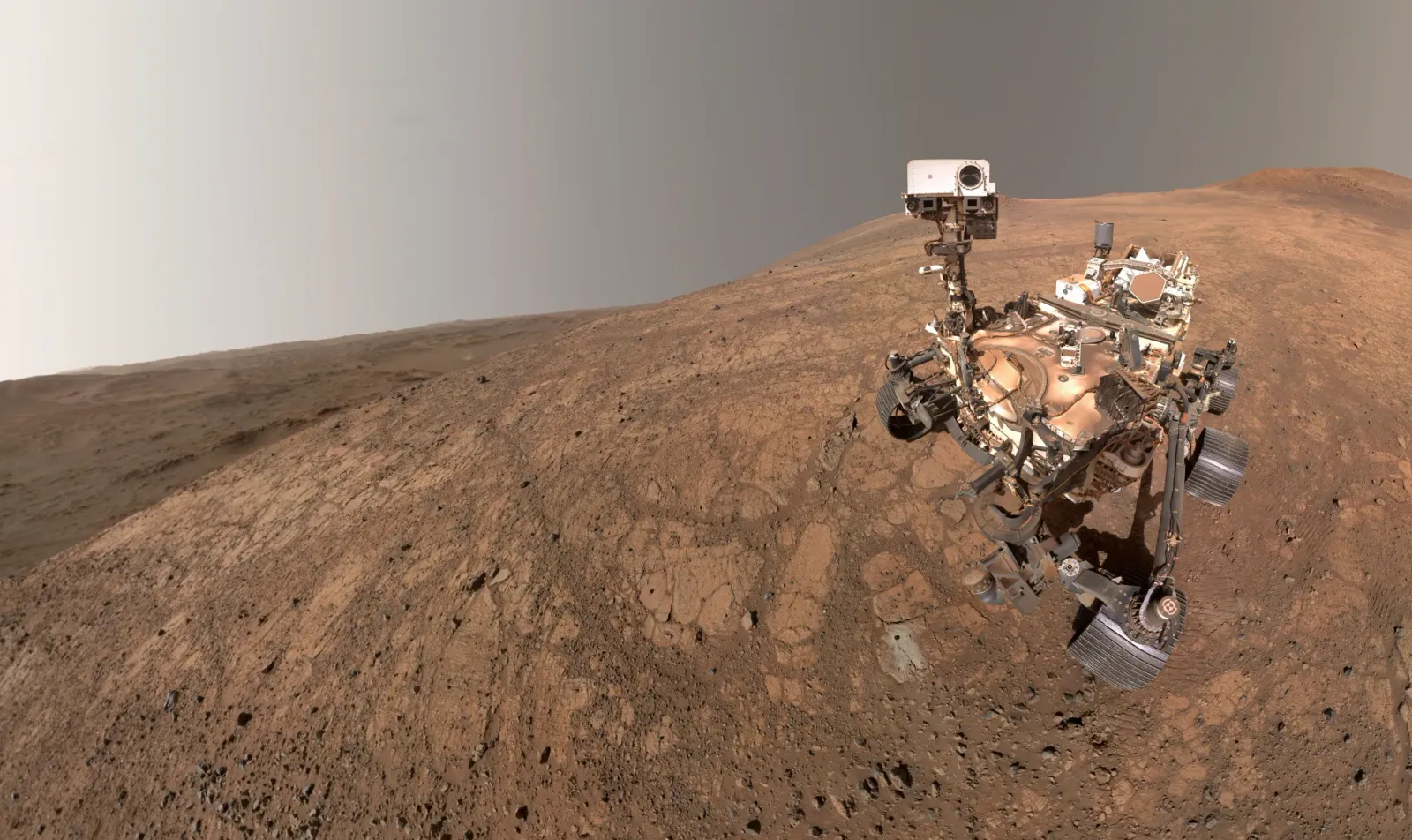
NASA’s rover found the “Broom Point member,” likely over 3.9 billion years old, and timed the violence.