
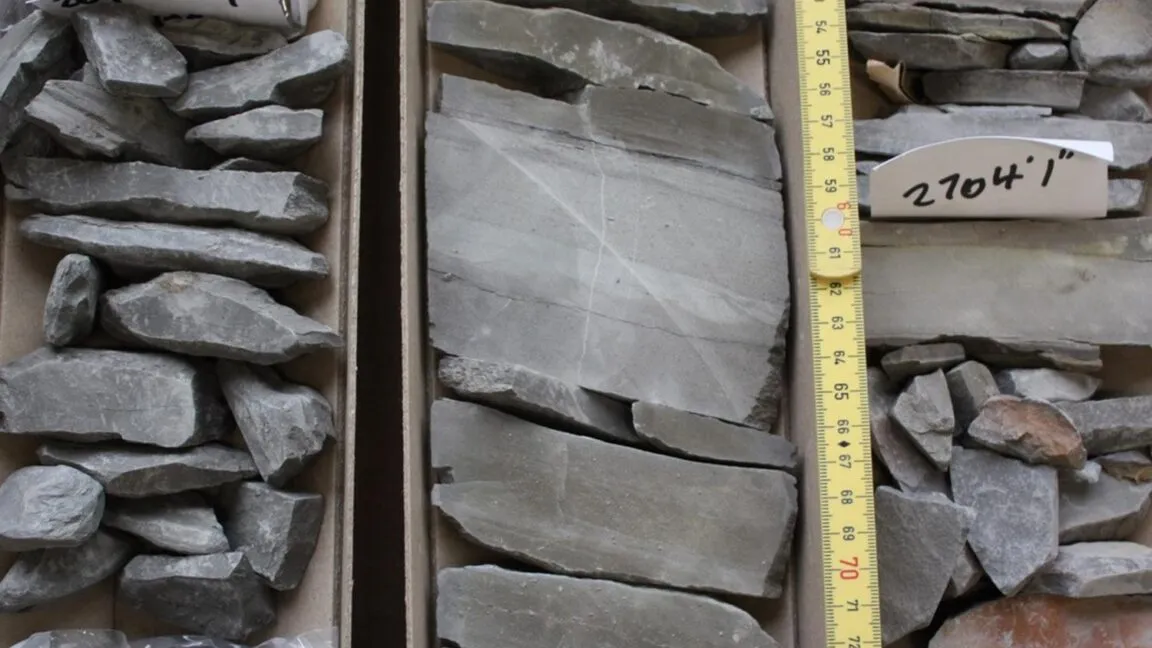
Jurassic warming 183 million years ago: eroding organic carbon supercharged climate
A Nature Communications study reopens the rock-weathering carbon debate, showing when erosion can amplify warming instead of cooling.
By Turki Al-Mutairi·· 4 min

Curating from trusted global sources…
Curated from trusted global sources, refined into briefing-grade analysis with executive summaries, insights, and bullet-point takeaways.
A Nature Communications study reopens the rock-weathering carbon debate, showing when erosion can amplify warming instead of cooling.
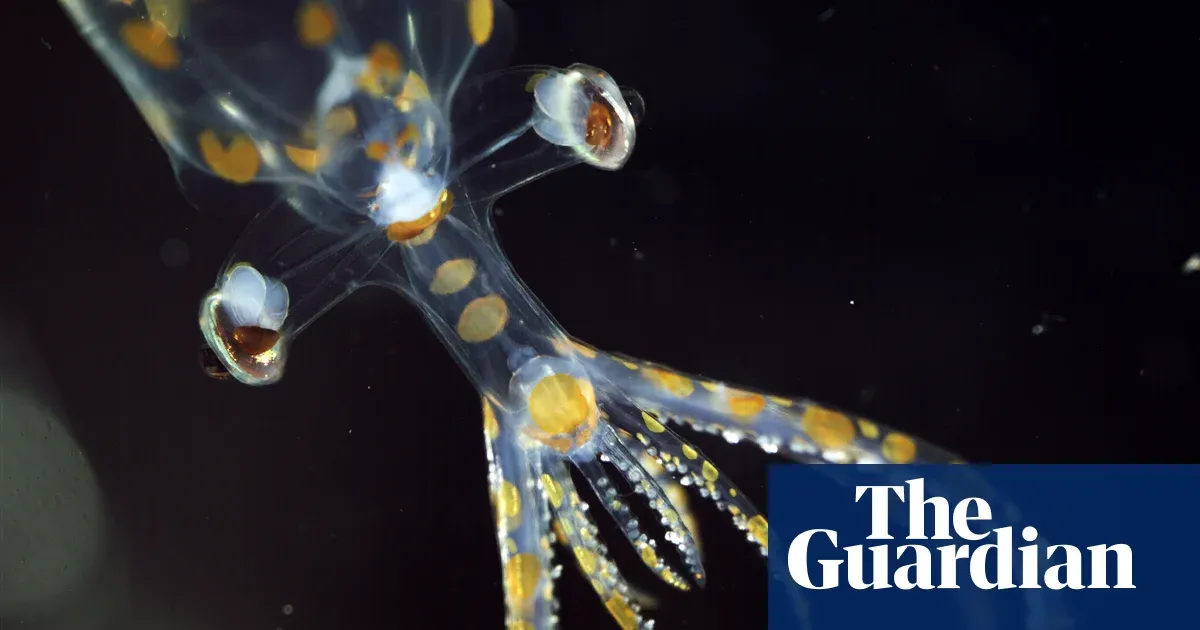
Ocean midwater off Brazil produced a near-record discovery sprint, pointing to a new baseline for how fast science can name life.

New research suggests habitat and microclimate can determine whether the next generation inherits a bird’s tune.

Researchers can measure cognition in controlled heat, but the million-dollar question remains: what about days-long heat?

A University of California, Berkeley scientist cracked 11 core bird calls and steps toward real two-way animal communication.
The analysis says the “cheapest” missions buy less scientific output, pushing a mid-tier tradeoff.
Chipmakers just crammed nearly double the transistor density, proving progress still happens, but not forever.
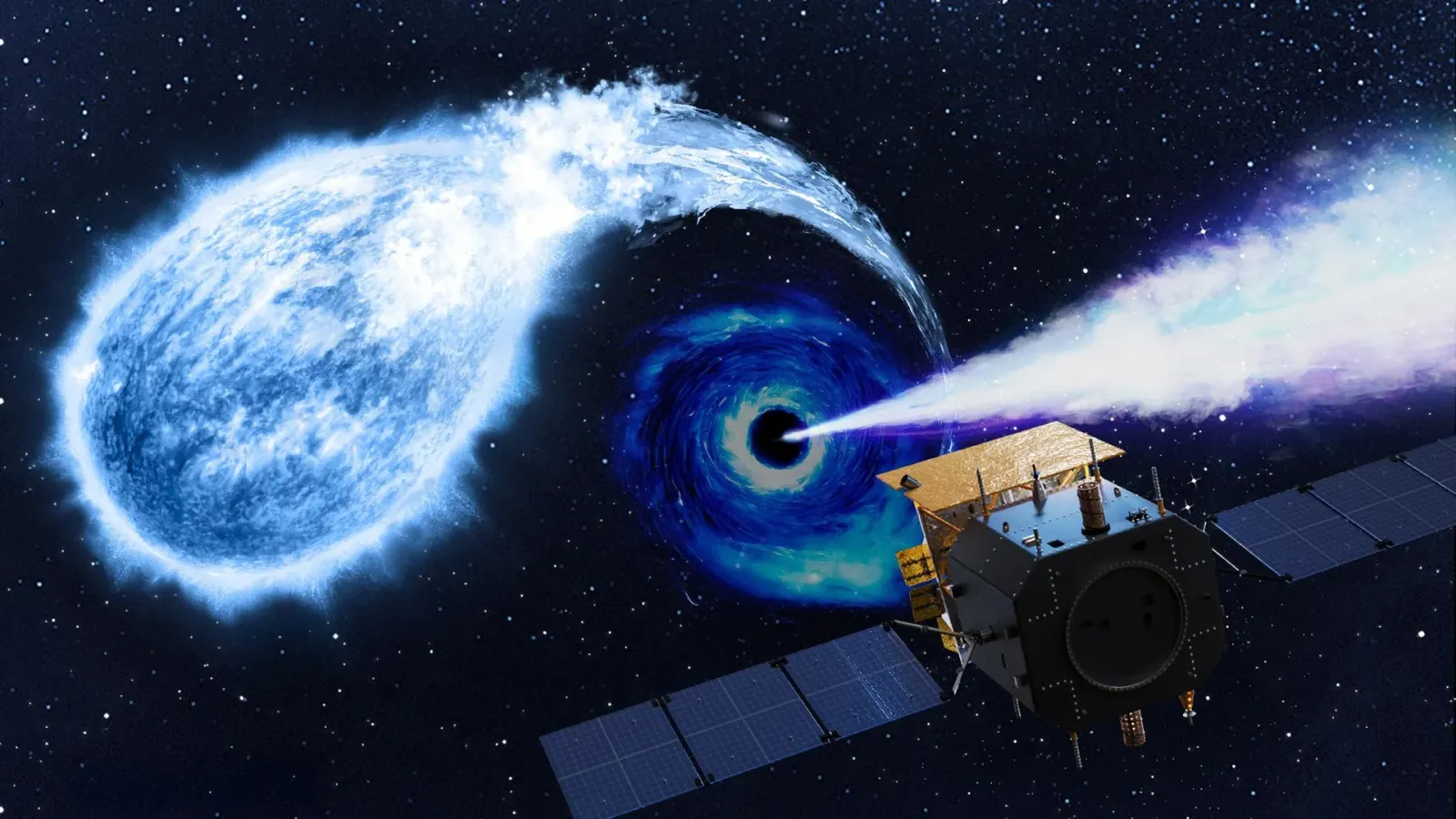
The telescope saw an unusual pattern of intense X-ray flashes in the earliest moments, pointing to a rare intermediate-mass black hole event.

A shape in algebraic combinatorics ends up acting like a universal classifier for real-world physics models.

In healthy older adults, knowing the placebo was inactive still didn’t stop measurable gains.

A 70-year-old chase for an almost undetectable particle demanded industrial-scale hardware, and it still shapes today’s neutrino playbooks.