
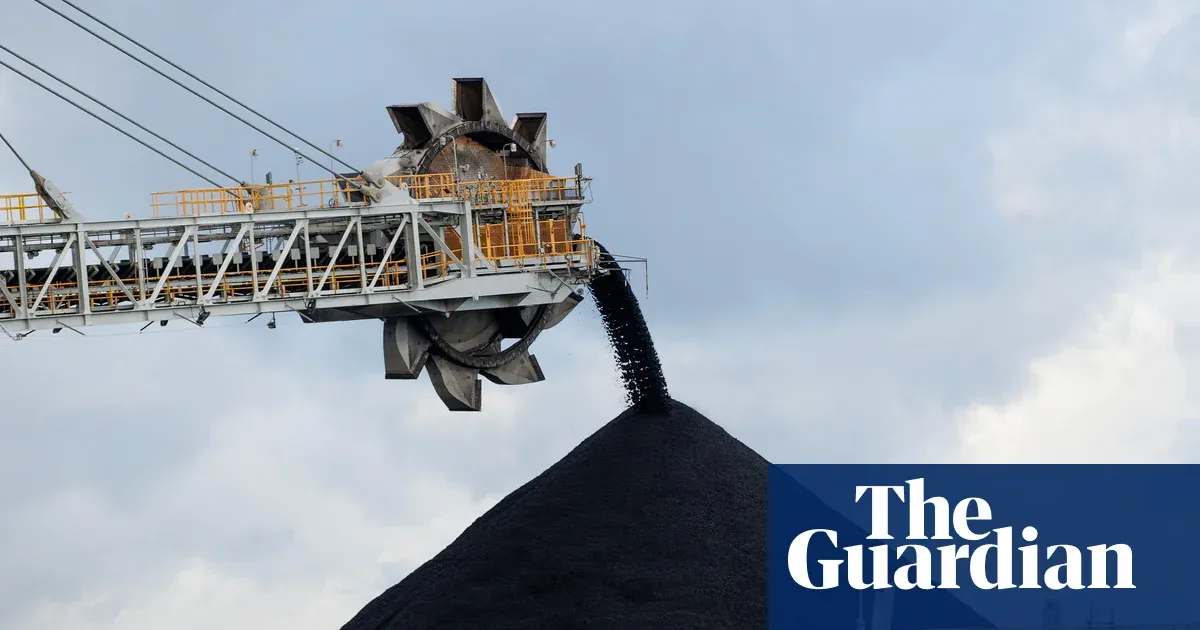
Bank of England stops accepting thermal coal bond-backed collateral from October
The regulator’s new collateral rule forces banks to rethink exposure to bonds tied to thermal coal.
By Khalid Al-Harbi·· 4 min

Curating from trusted global sources…
Curated from trusted global sources, refined into briefing-grade analysis with executive summaries, insights, and bullet-point takeaways.
The regulator’s new collateral rule forces banks to rethink exposure to bonds tied to thermal coal.

New chemistry evidence points to planet-cooling dust and debris as the driver behind the 66-million-year-old extinction impact.

A randomized study shows fluvoxamine, a low-cost antidepressant, meaningfully eases disabling long COVID fatigue versus placebo.

The biennial Environmental Performance Index shows sustainability gains, then quietly warns progress is slowing on net-zero pathways.
Otto von Guericke University Magdeburg chemists produced lab-made precursors to Neosorangicin A, potentially speeding future antibiotic-resistance countermeasures.

A new paper argues historians misread Roman farm female managers, overlooking their role in wine, oil, and profits.
A lab-made super-strong, stretchable adhesive that is strong enough to hold, yet wipes away completely.
A new study shows how cells recover splicing function under heat stress, flipping the usual “shutdown” narrative.

The 10-meter prototype landed softly after a planned 15-meter crawl, teeing up Japan’s CALLISTO single-stage reuse push.
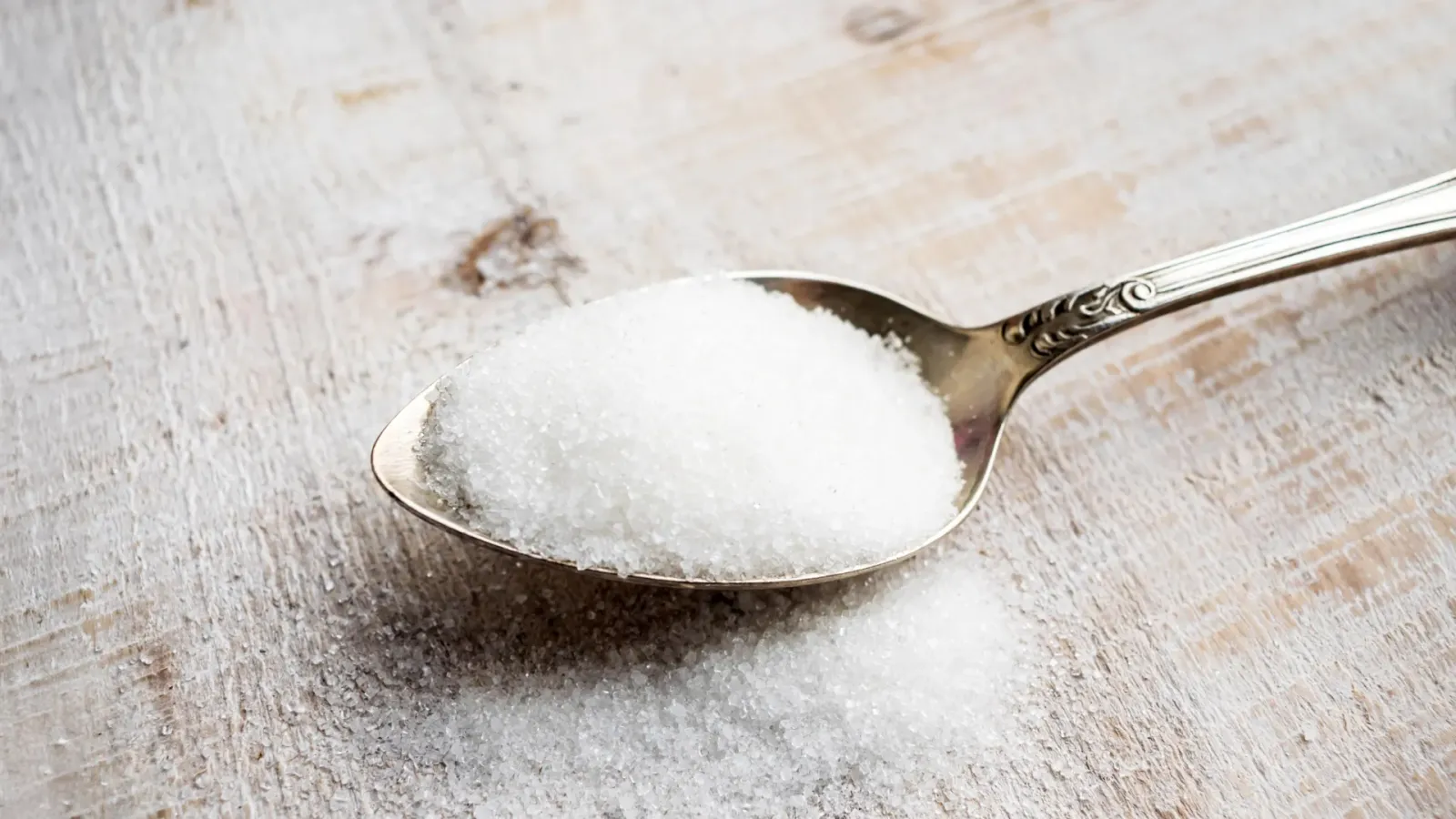
New research links popular sugar substitutes to faster memory and thinking decline, with bigger effects for under 60 and diabetes.

A well-funded US Space Force push is turning SpaceX’s launch cadence into a national-security business line.
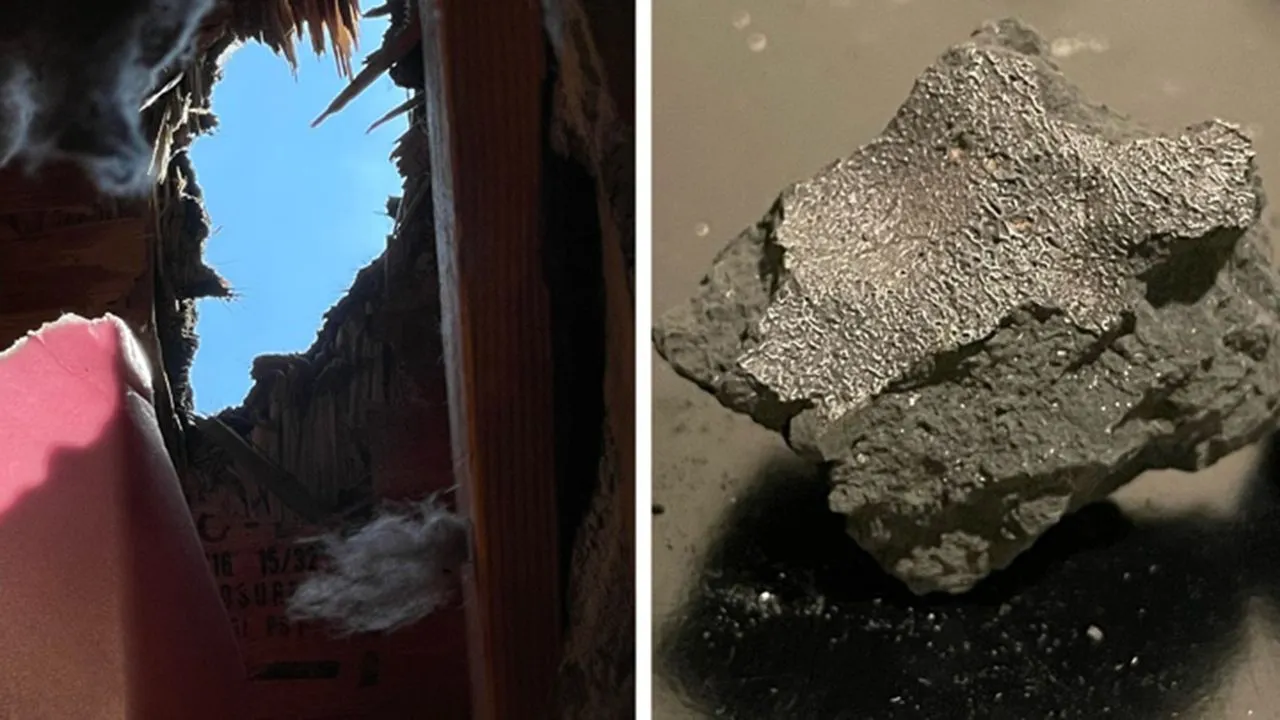
A 2024 New Jersey fall helped scientists trace preserved prebiotic molecules to ancient salty brines in a primitive body.