Durham simulation study says Milky Way disk flipped over 90 degrees
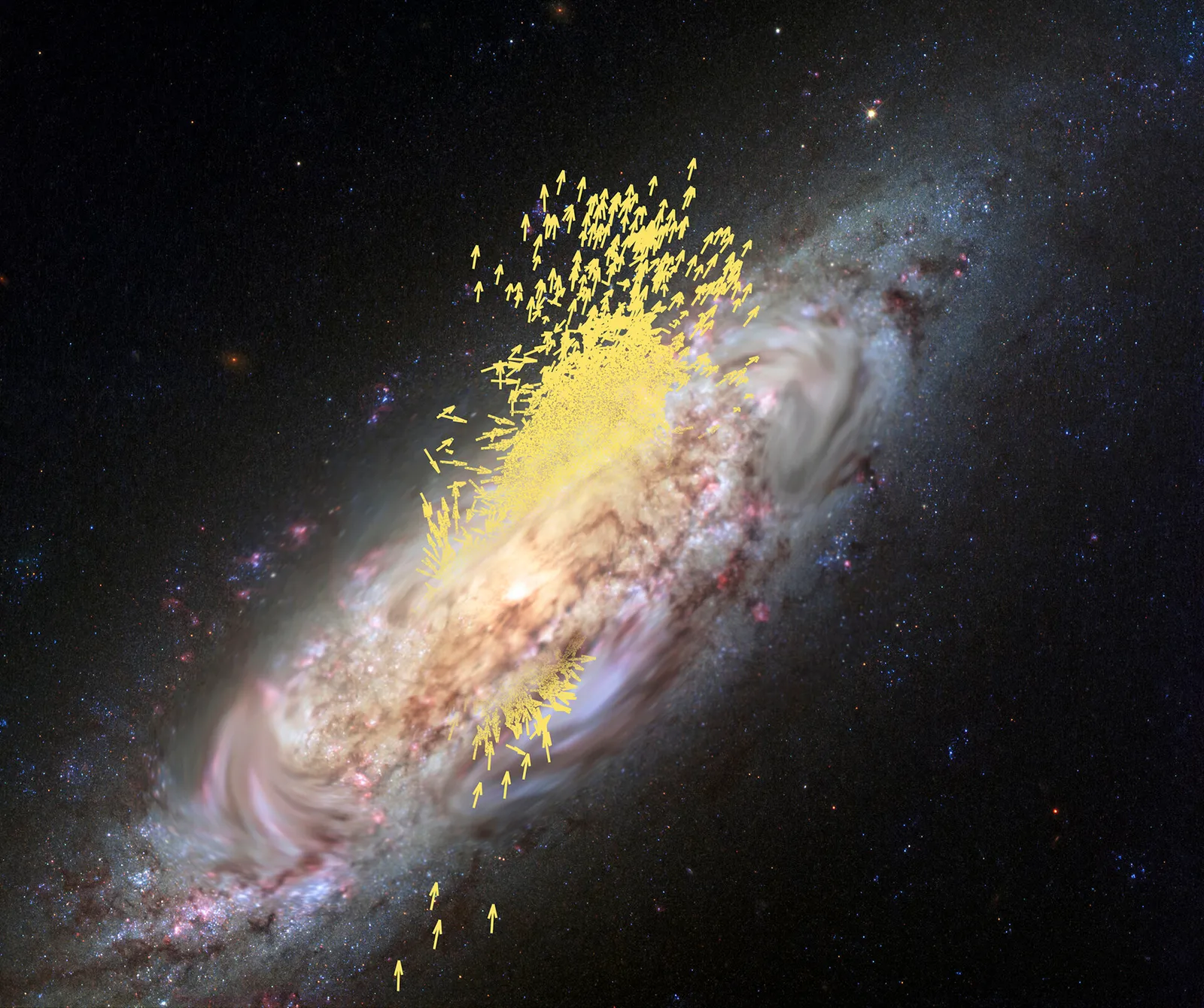
Slowly rotating stellar halos make “disk flips” more likely, offering a new path to explain long-standing mysteries.
By Salman Al-Amri·· 3 min

Loading briefings
Pulling the latest in this topic…
Research, space, health, climate, discovery
414 briefings briefings in Science
Slowly rotating stellar halos make “disk flips” more likely, offering a new path to explain long-standing mysteries.
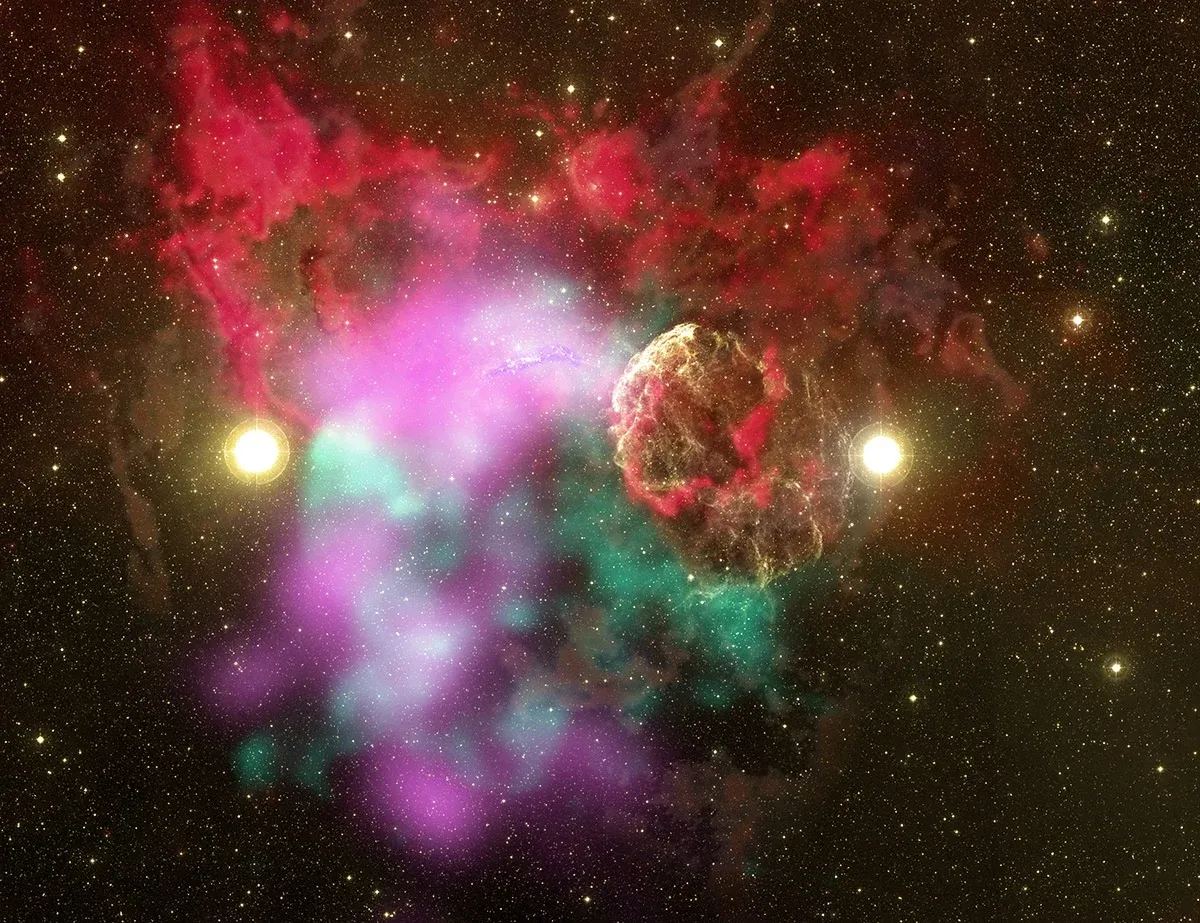
Two sibling stars exploded as supernovas at once, offering a new way to study stellar death and timing.
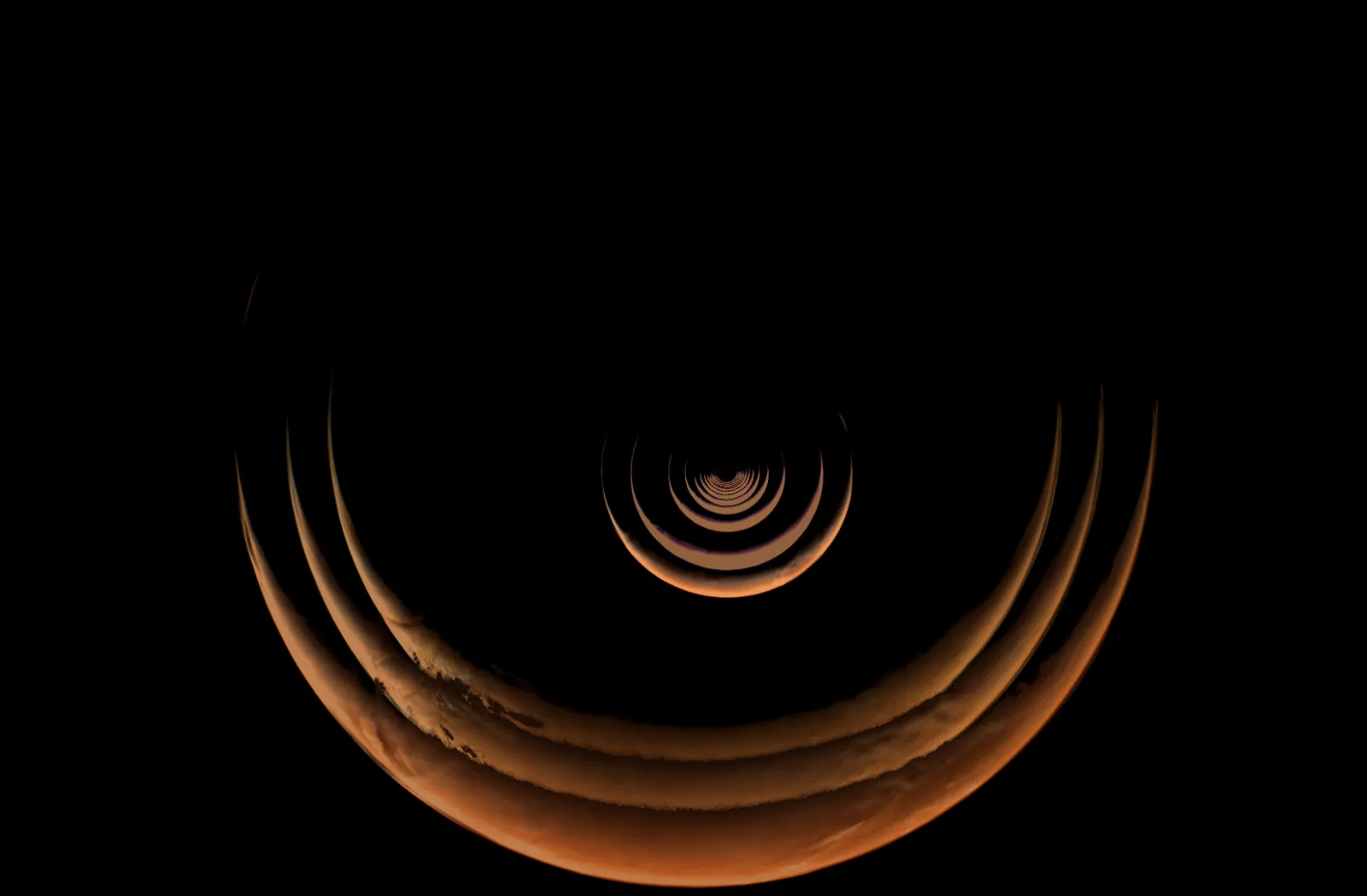
A July 17 composite photo shows Mars turning from crescent to close approach as Psyche gains speed for the 2029 asteroid arrival.
The new NASA-STD-3001 requirement ties habitable-air exposure to a 24-hour time-weighted average, with peak spikes handled.
New measurements suggest the planet’s magnetic engine kept running for billions of years, despite cooler-than-expected core estimates.
Motivation, persistence, and school climate may be as decisive as academic achievement for whether students earn a degree.
An amateur’s spotting turned into field evidence, and scientists now need microscopic confirmation before the impact call becomes official.
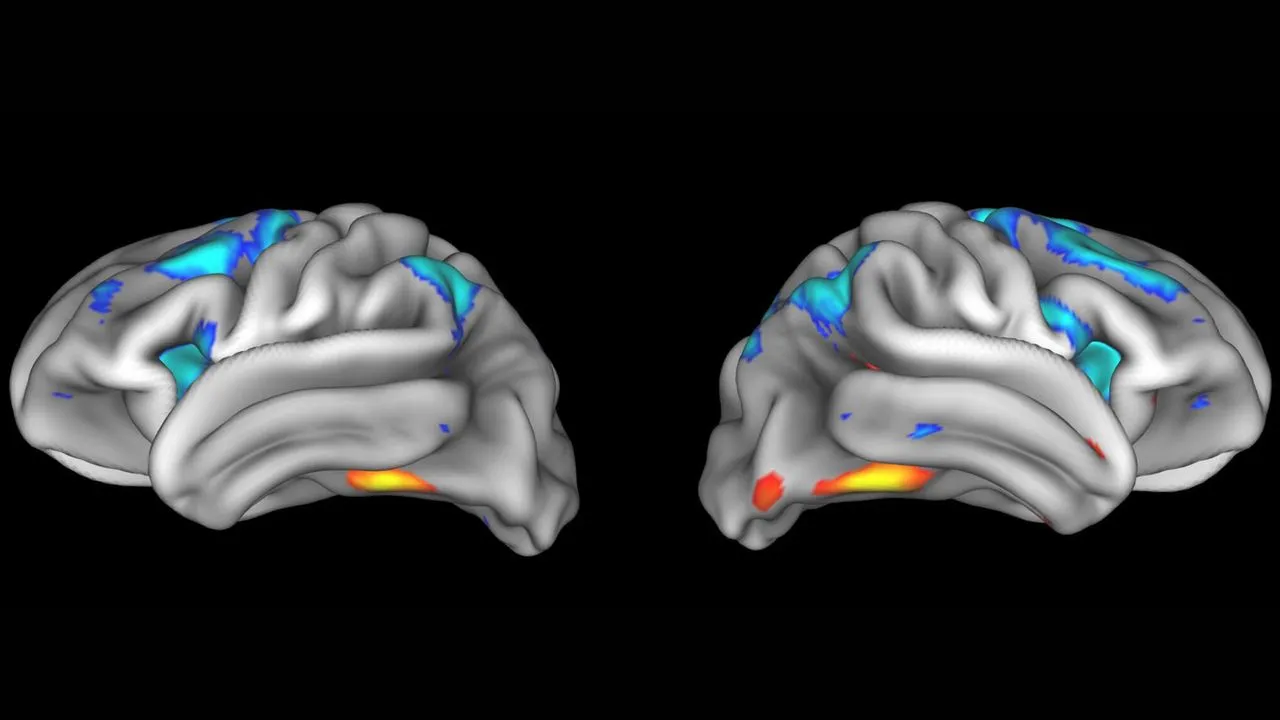
A replication crisis in MRI-linked brain-behavior findings is derailing what researchers think they know, and why it matters for medicine.
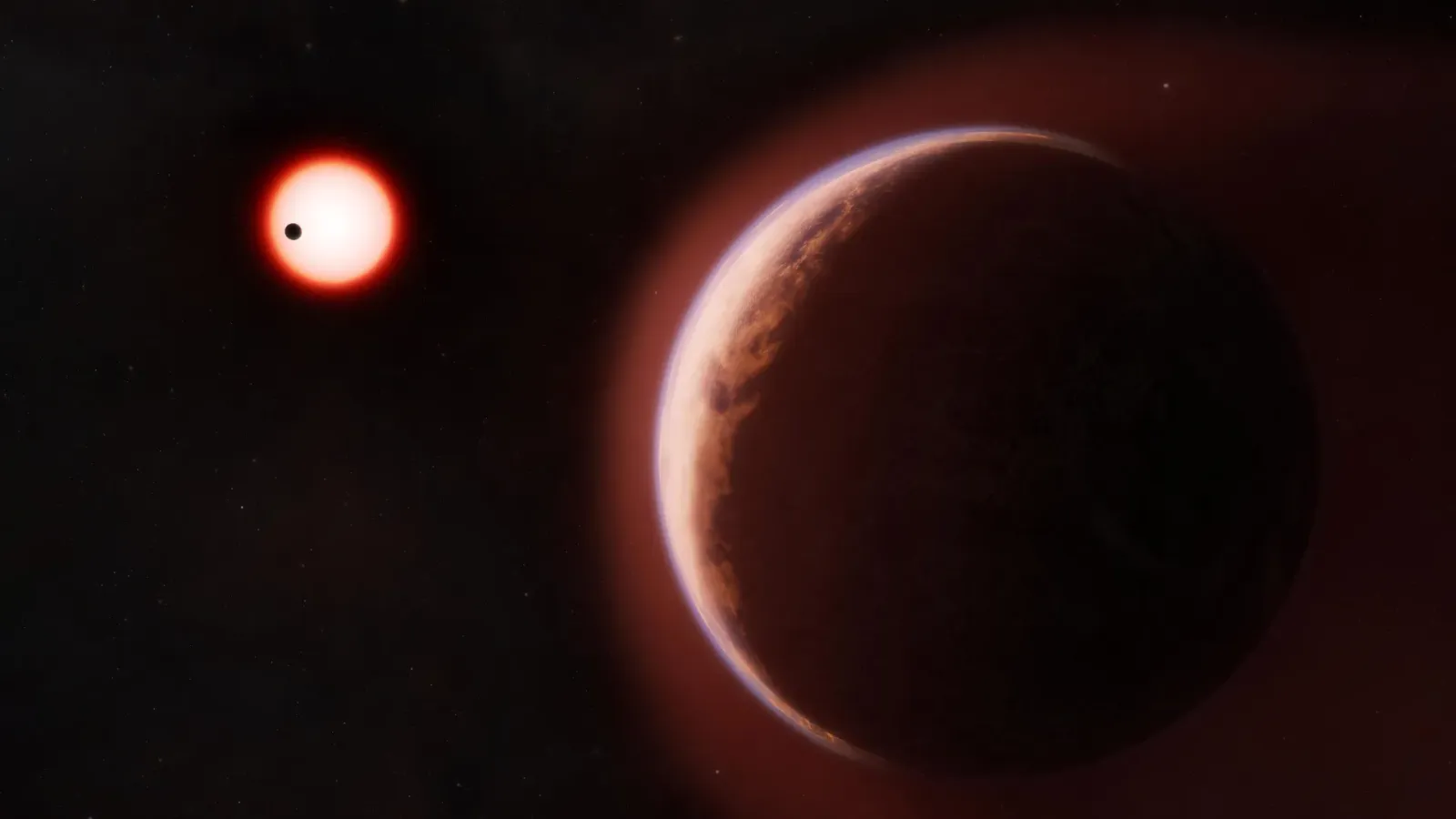
A 48-light-year rocky world finally shows confirmed air, and it reframes what “habitable” planets should look like.
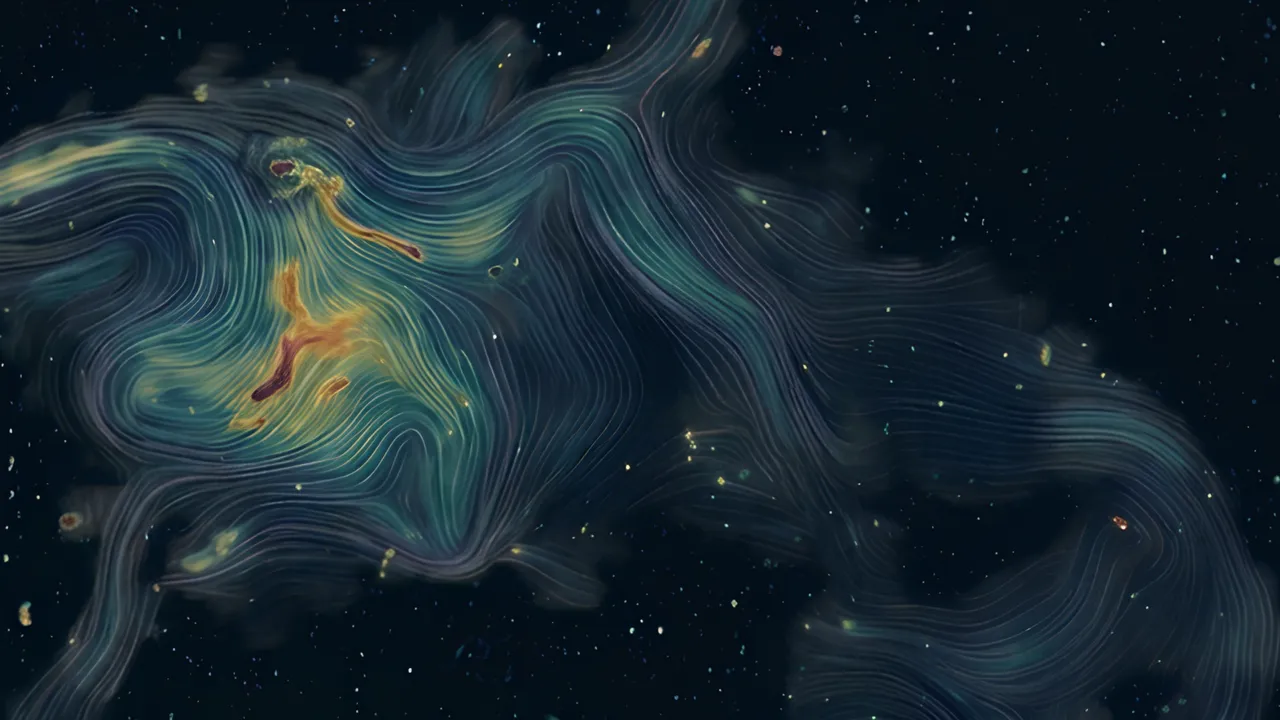
For the first time, astronomers reconstruct how cluster gas formation shapes magnetic fields across millions of light-years.
A new mouse study links a thymus-made hormone to lower age-related inflammation, raising big questions for human longevity biology.
There’s no farm-level disclosure for blueberries, so consumers and companies can’t tell whether berries come from abusive farms.