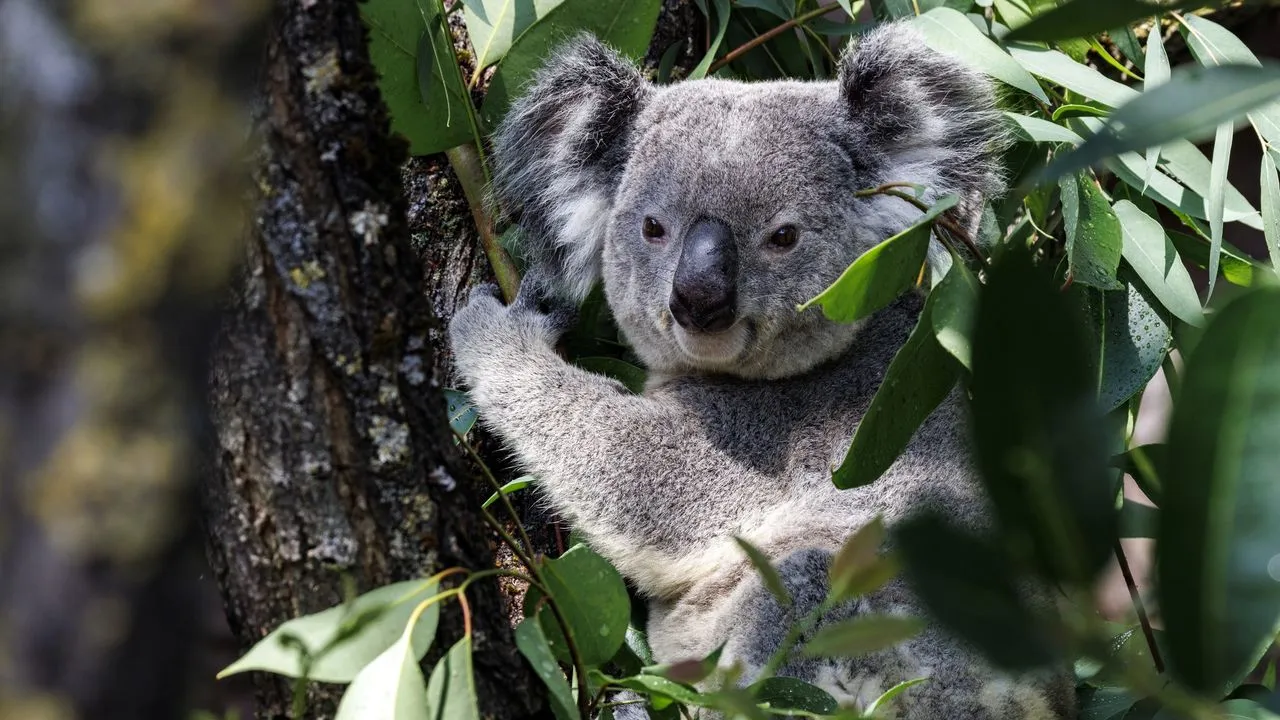
University of Queensland freezes koala eggs and sperm in liquid nitrogen to avert extinction
A new cryopreservation program plans to rescue genetic diversity for future IVF and artificial insemination, while screening for deadly chlamydia.

Loading briefings
Pulling the latest in this topic…
Research, space, health, climate, discovery
666 briefings briefings in Science
A new cryopreservation program plans to rescue genetic diversity for future IVF and artificial insemination, while screening for deadly chlamydia.
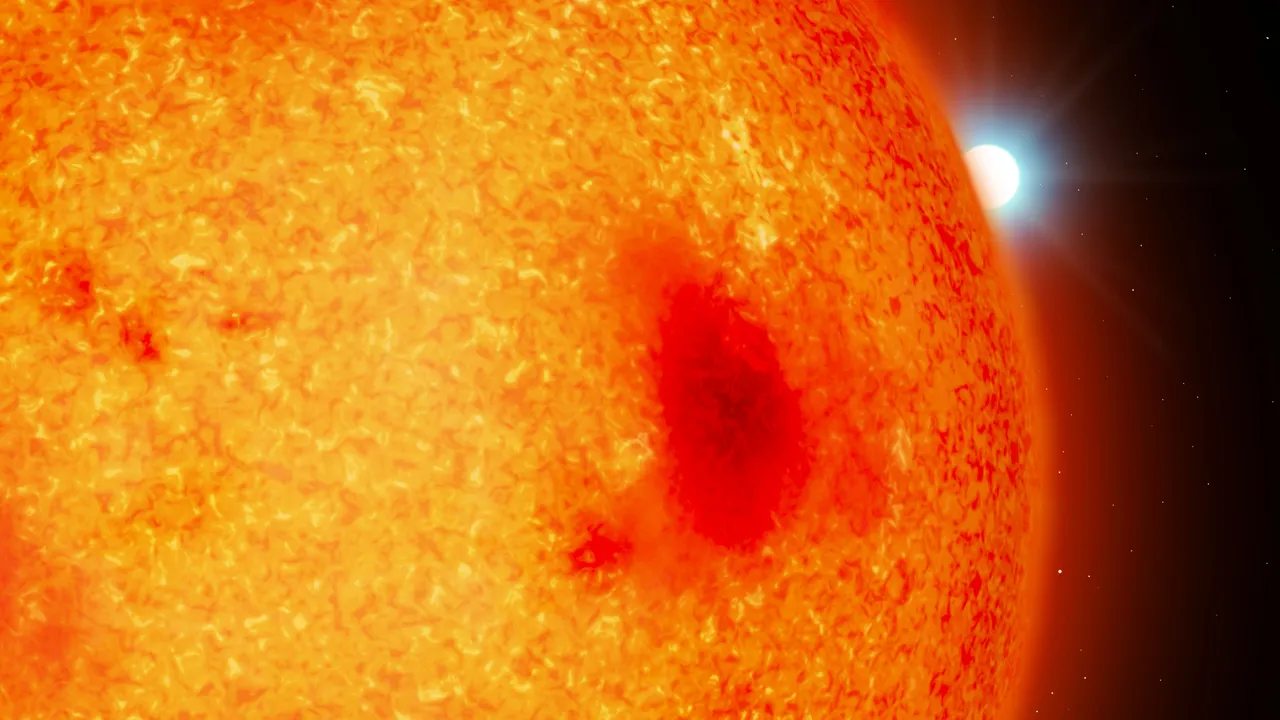
Visible light missed them; ultraviolet Hubble and clever calibration turned cosmic misdirection into a first for binary systems.
New measurements expose big uncertainty in tropical wetland emissions, forcing climate and compliance models to rethink inputs.
After decades of confusion, physicists used careful experiments to determine the rotation direction of the “reverse sprinkler.”
A diving-bird-inspired winged robot can submerge and escape, pointing to new routes for inspection and autonomy.
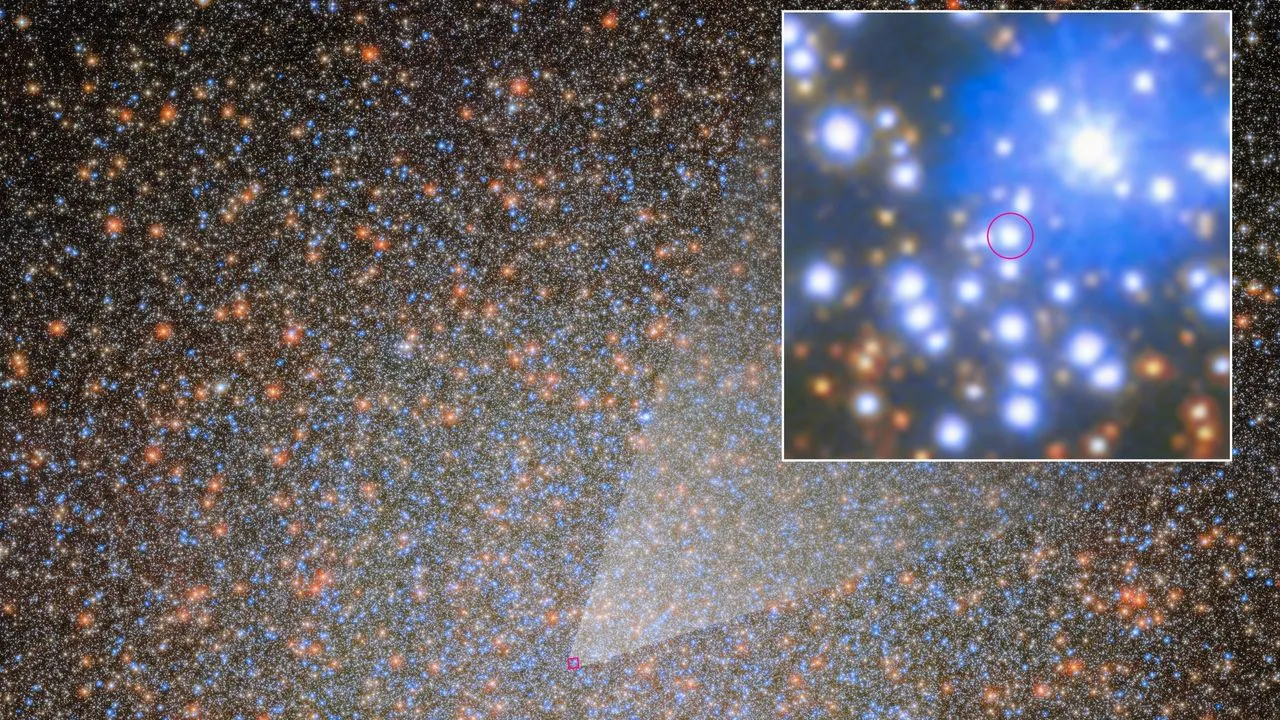
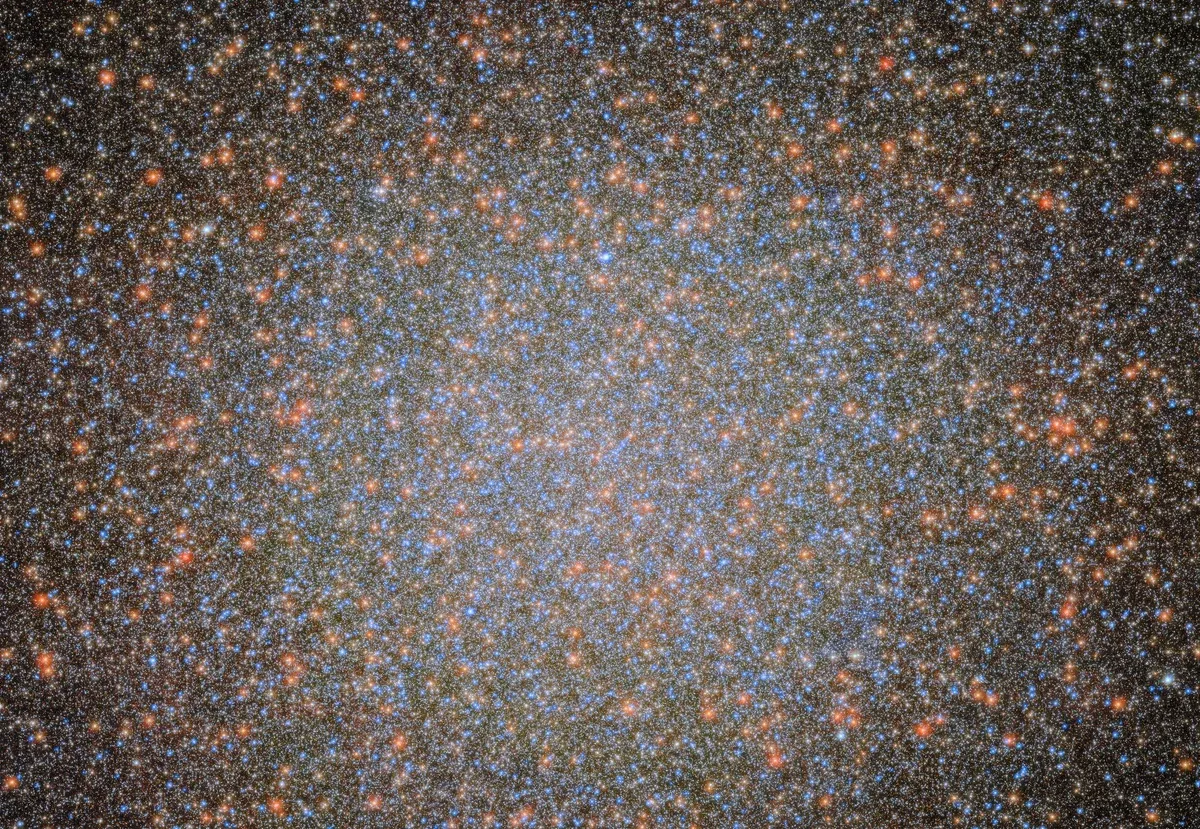
A 94-year orbit reveals oMEGACat BH-2’s mass and starts closing the “missing black holes” gap in globular clusters.
A small immune-therapy study suggests durable disease control, raising new hopes and hard questions for regulators and investors.
For decades, scientists suspected a hidden black hole hotspot. Hubble finally finds the missing evidence.
Ancient DNA analysis upends museum assumptions about a famed Bronze Age figure and forces a rethink of how stories are curated.
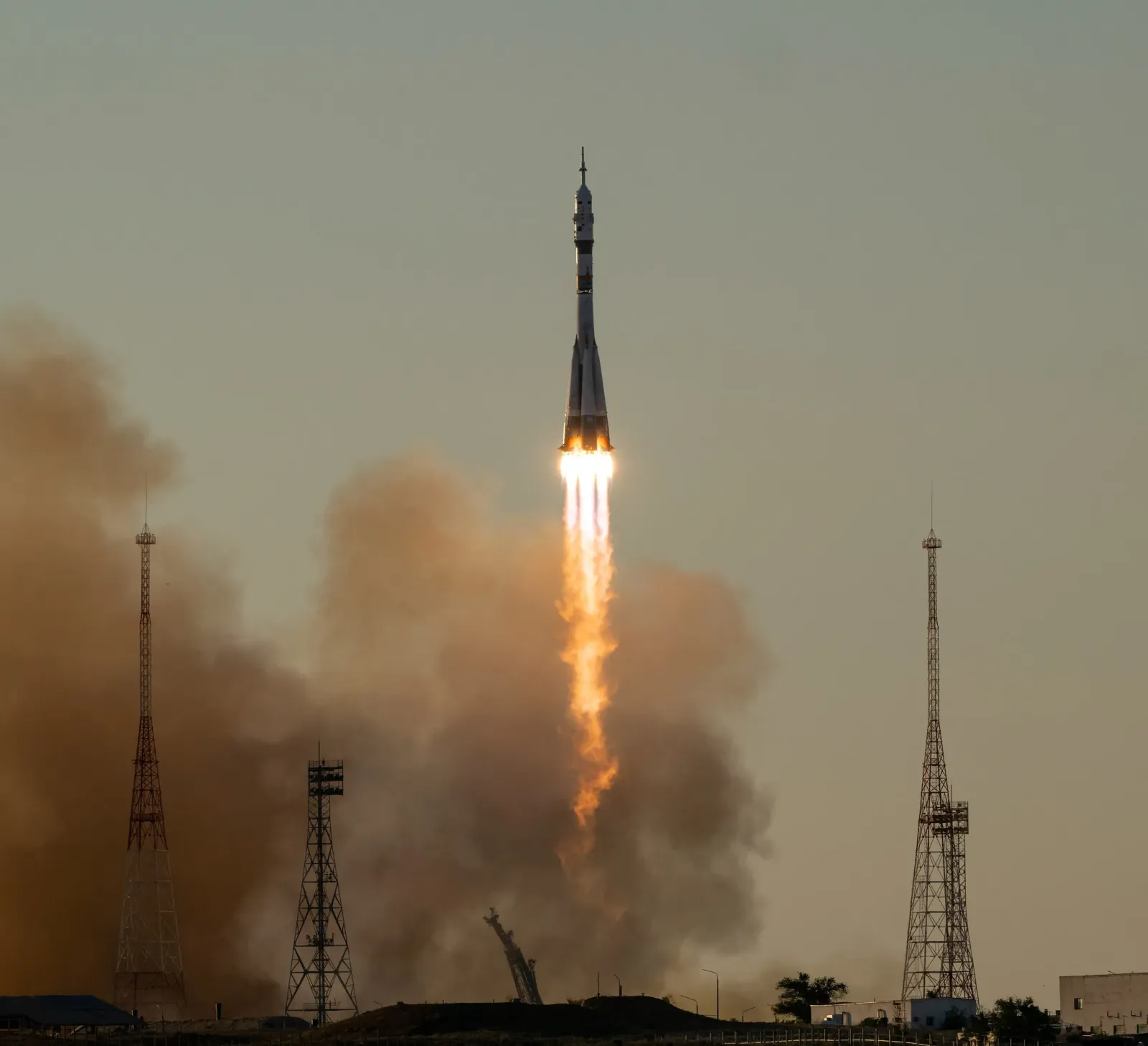
A three-hour, two-orbit Soyuz rendezvous adds new science pushes, from semiconductor crystals to AI-assisted ultrasound.
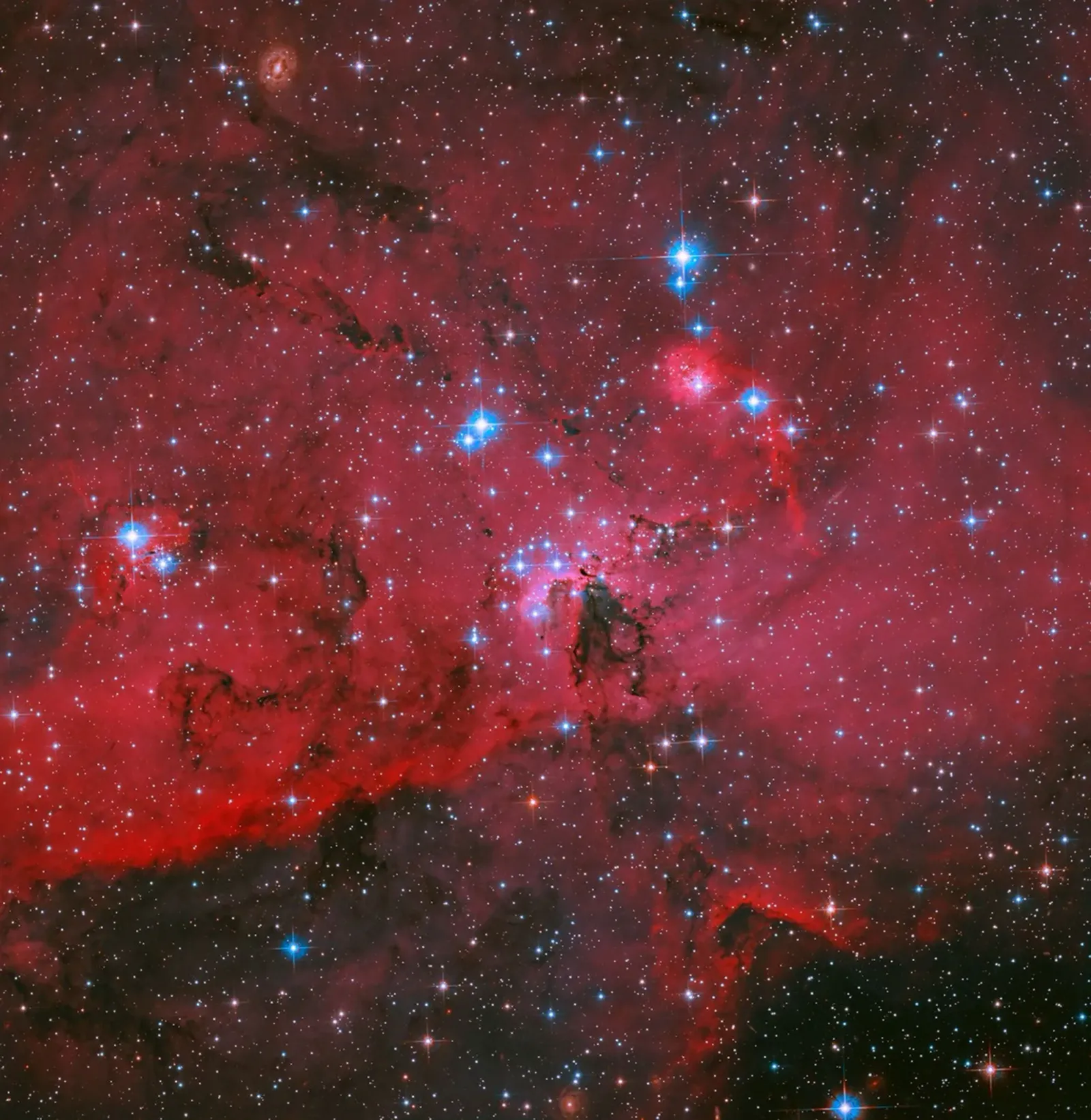
NASA’s July 3, 2026 Hubble image shows a stellar association in the Large Magellanic Cloud, plus what it implies about star formation.
A new 3D animation tool produced the first evidence nonhuman primates respond like humans to body-avatar realism.