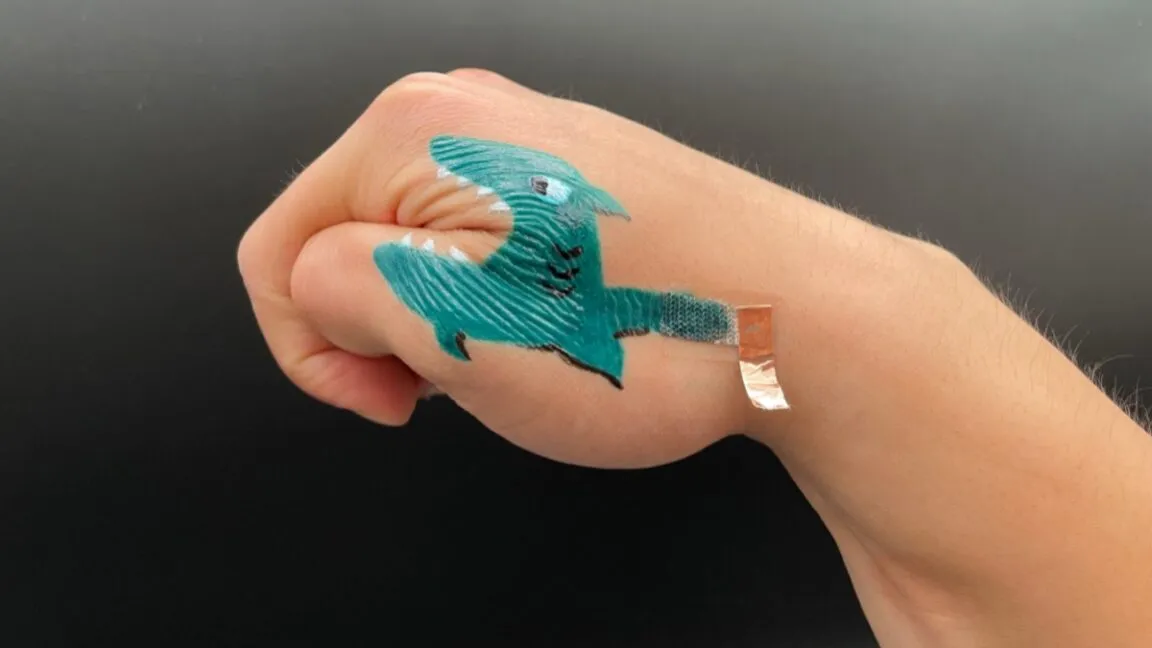
Penn State’s paint-on e-tattoos turn conductive ink into functional electrodes after drying
E-tattoos have struggled on curved or hairy skin. This new conductive ink aims to fix that by becoming the electrode itself.
By Mohammed Al-Shehri·· 4 min

Loading briefings
Pulling the latest in this topic…
Research, space, health, climate, discovery
678 briefings briefings in Science
E-tattoos have struggled on curved or hairy skin. This new conductive ink aims to fix that by becoming the electrode itself.
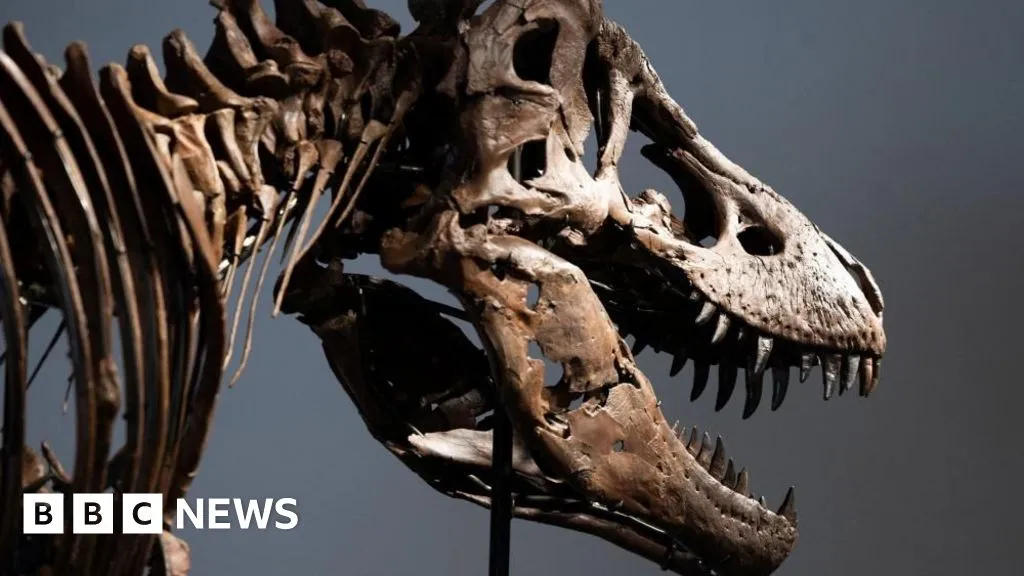
A 67-million-year-old Tyrannosaurus rex fossil tops the previous stegosaurus high-water mark from 2024, reshaping dinosaur-deal benchmarks.
The first-ever detection of a sugar molecule in interstellar space adds a new, measurable piece to the pre-life puzzle.
His U.S. Healthcare bet helped shape managed care, and his wealth found its way into cancer research and philanthropy.
A cozy delivery sim that turns “mail logistics” into a tight daily puzzle, with or without friends.
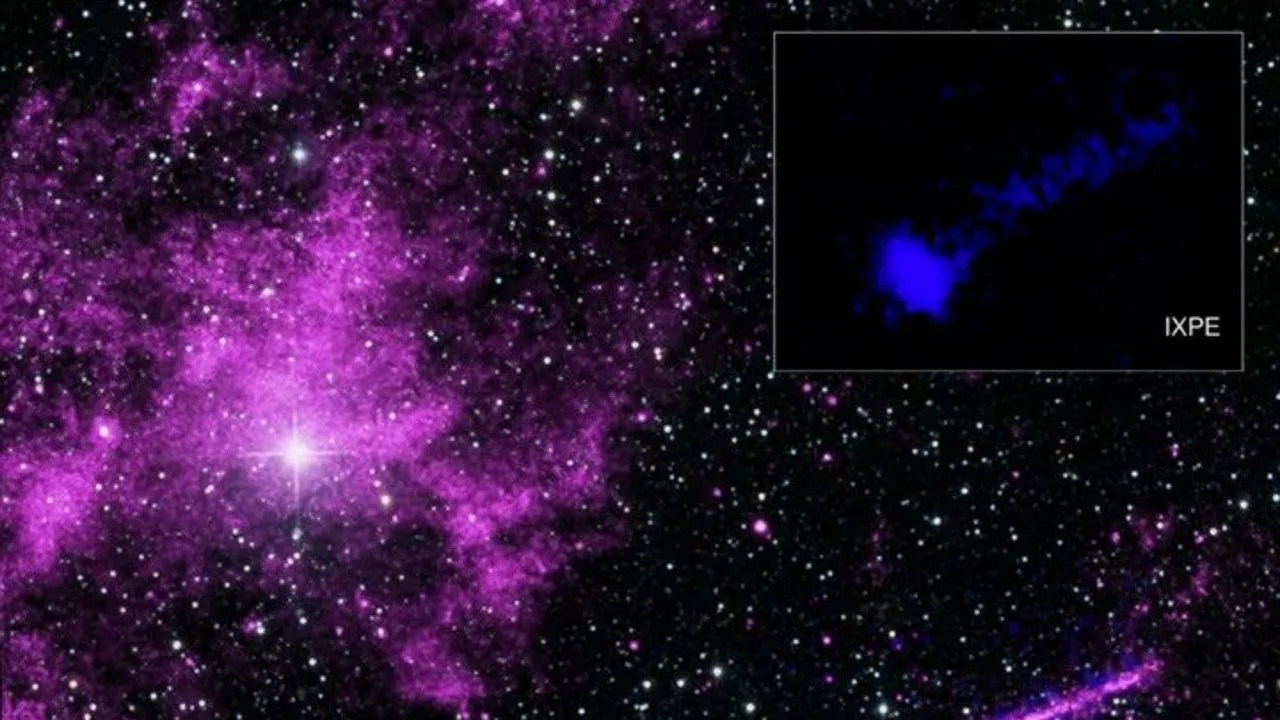
NASA’s Imaging X-ray Polarimetry Explorer confirms particles escape along magnetic field lines and reveals a twist in turbulence.
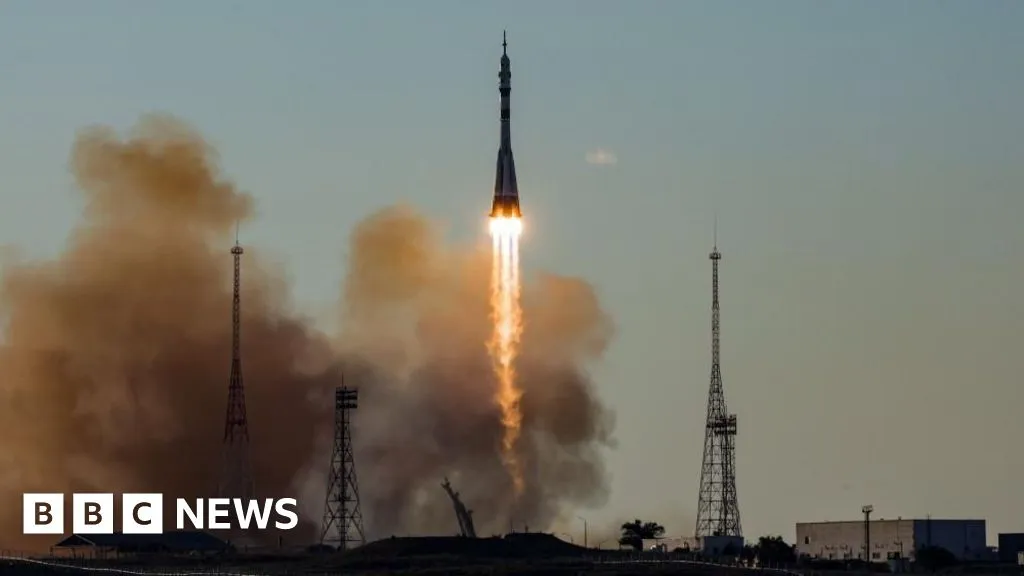
An eight-month Soyuz mission begins, with NASA and Russian crews aligned on the ISS clock and operational continuity.
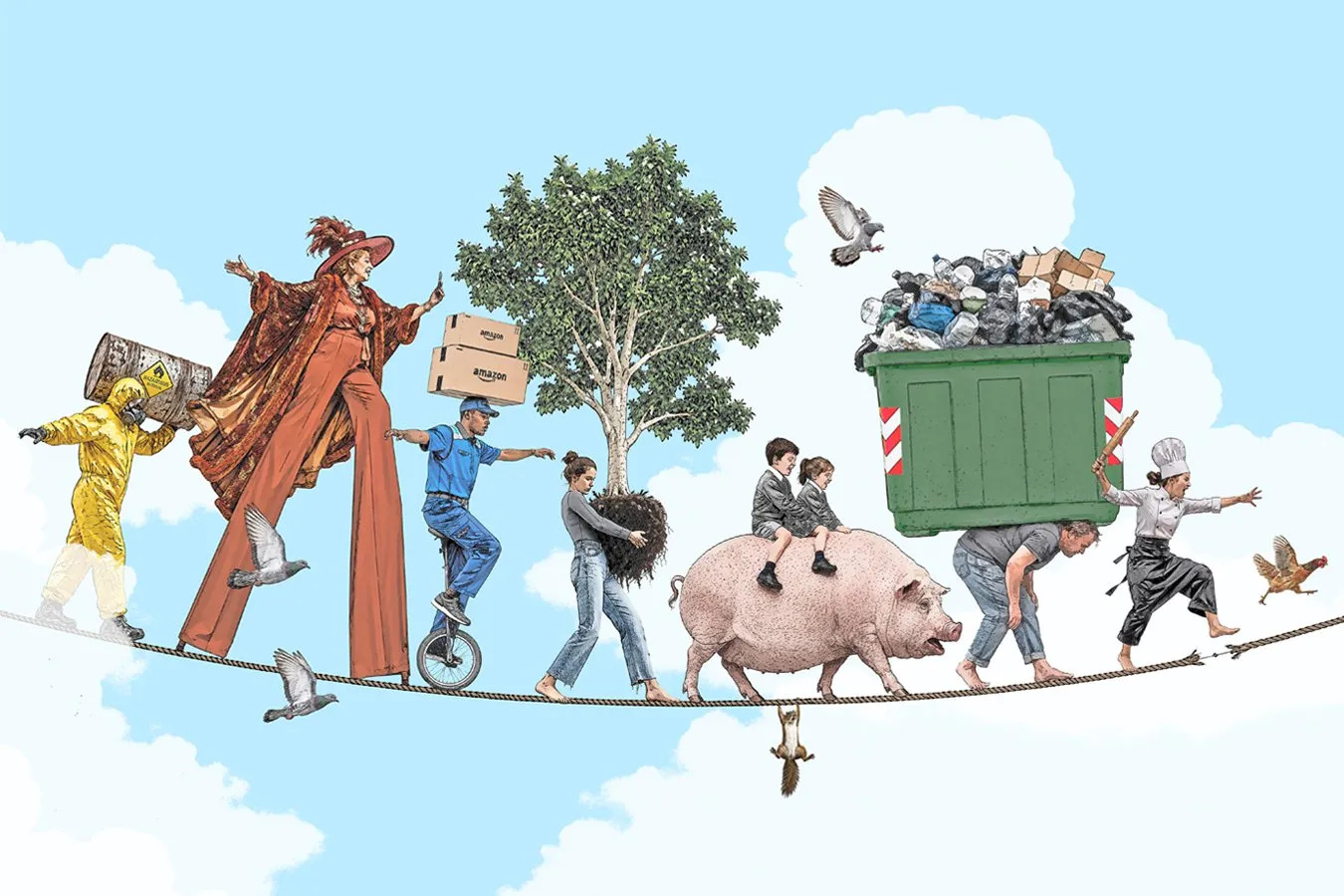
The city’s experiment turns sustainability from slogan into an operational tightrope everyone will have to learn to walk.
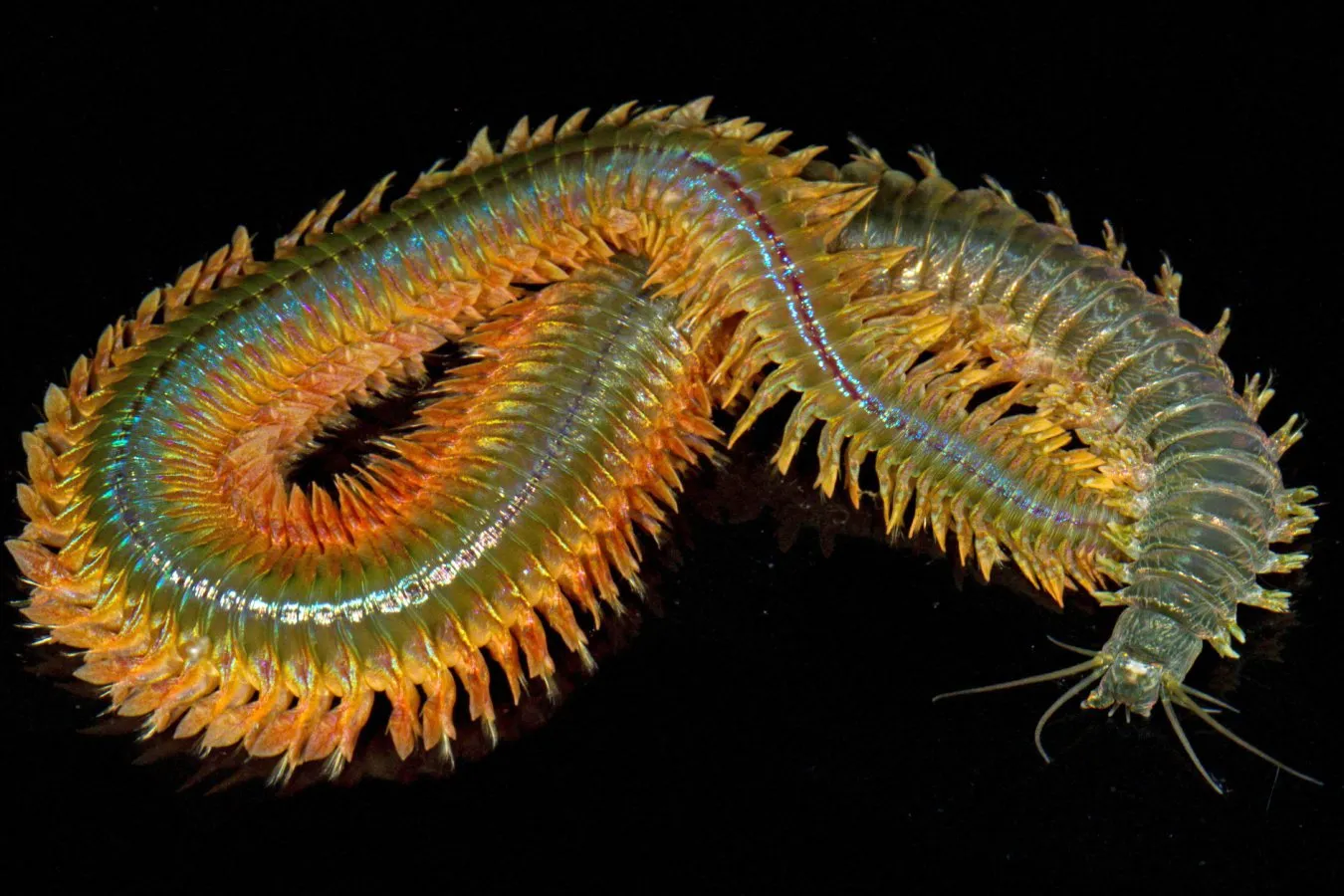
A decades-old fossil trail leads to a new material blueprint: metal-like hardness plus rare elasticity in one jaw.
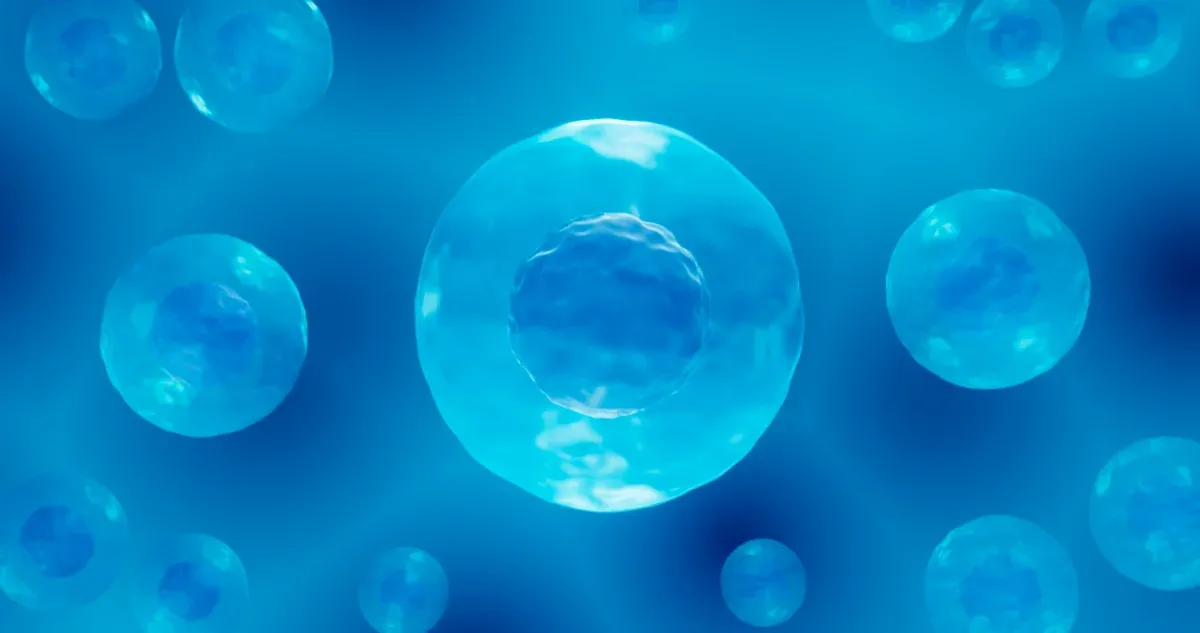
A new synthetic cell model resembles life on the outside. The inside reality is more complicated, and that matters.
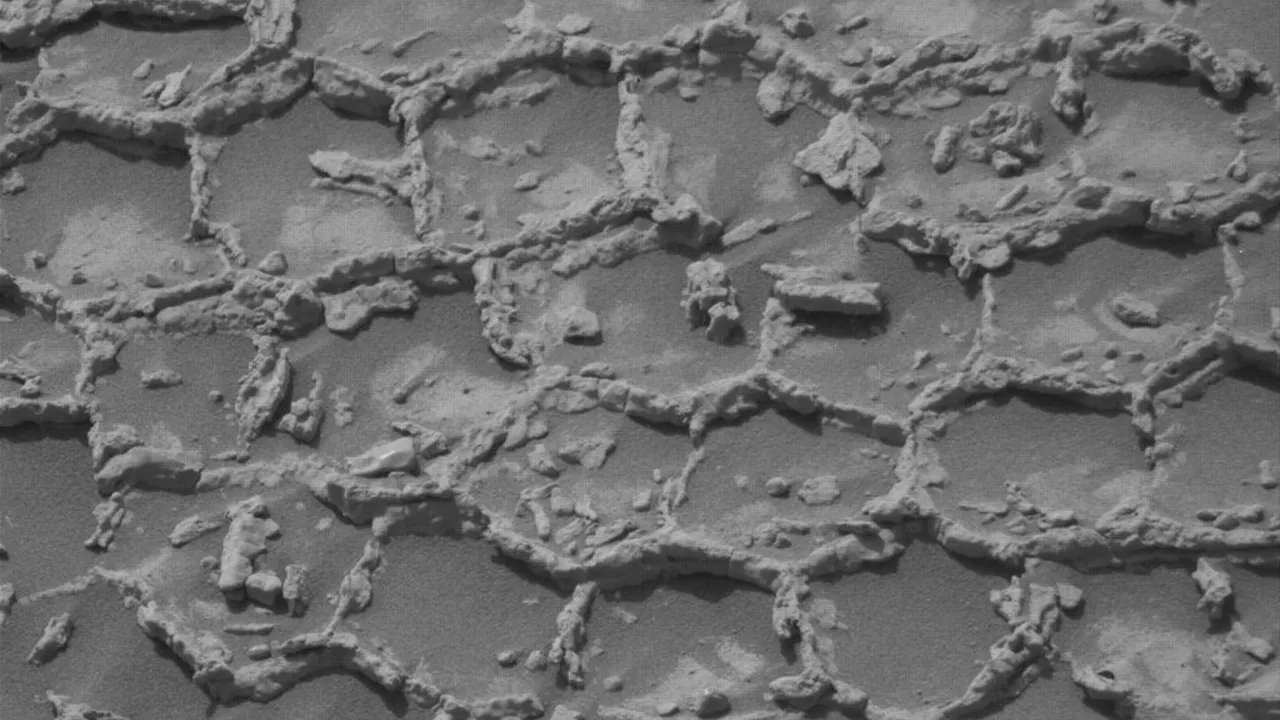
NASA’s rover sees “honeycomb” polygons and nearby dark rocks, reviving old questions about geology and meteorites.
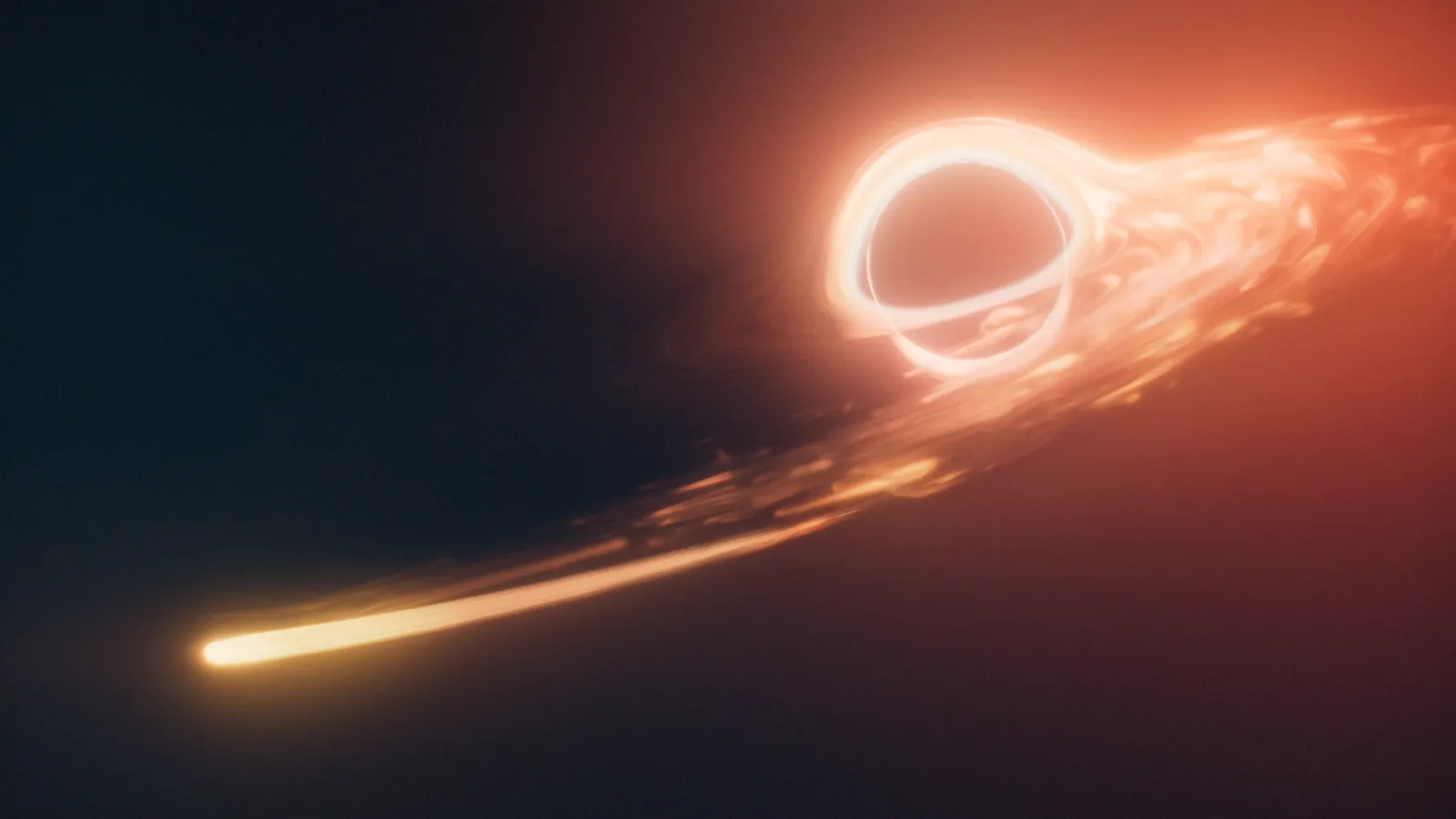
NASA’s Nancy Grace Roman Telescope can detect ancient TDEs, letting astronomers test how supermassive black holes formed.