Elephants can “talk” through ground and skull vibrations up to 10 km
Bone-conduction hearing lets elephants perceive seismic messages far beyond normal air-borne calls, changing how we study animal sensing.
By Omar Al-Balawi·· 3 min

Loading briefings
Pulling the latest in this topic…
Research, space, health, climate, discovery
654 briefings briefings in Science
Bone-conduction hearing lets elephants perceive seismic messages far beyond normal air-borne calls, changing how we study animal sensing.
The Atlantic’s dragon-named lava field does not match existing eruption models, forcing scientists to rethink how volcanoes work.
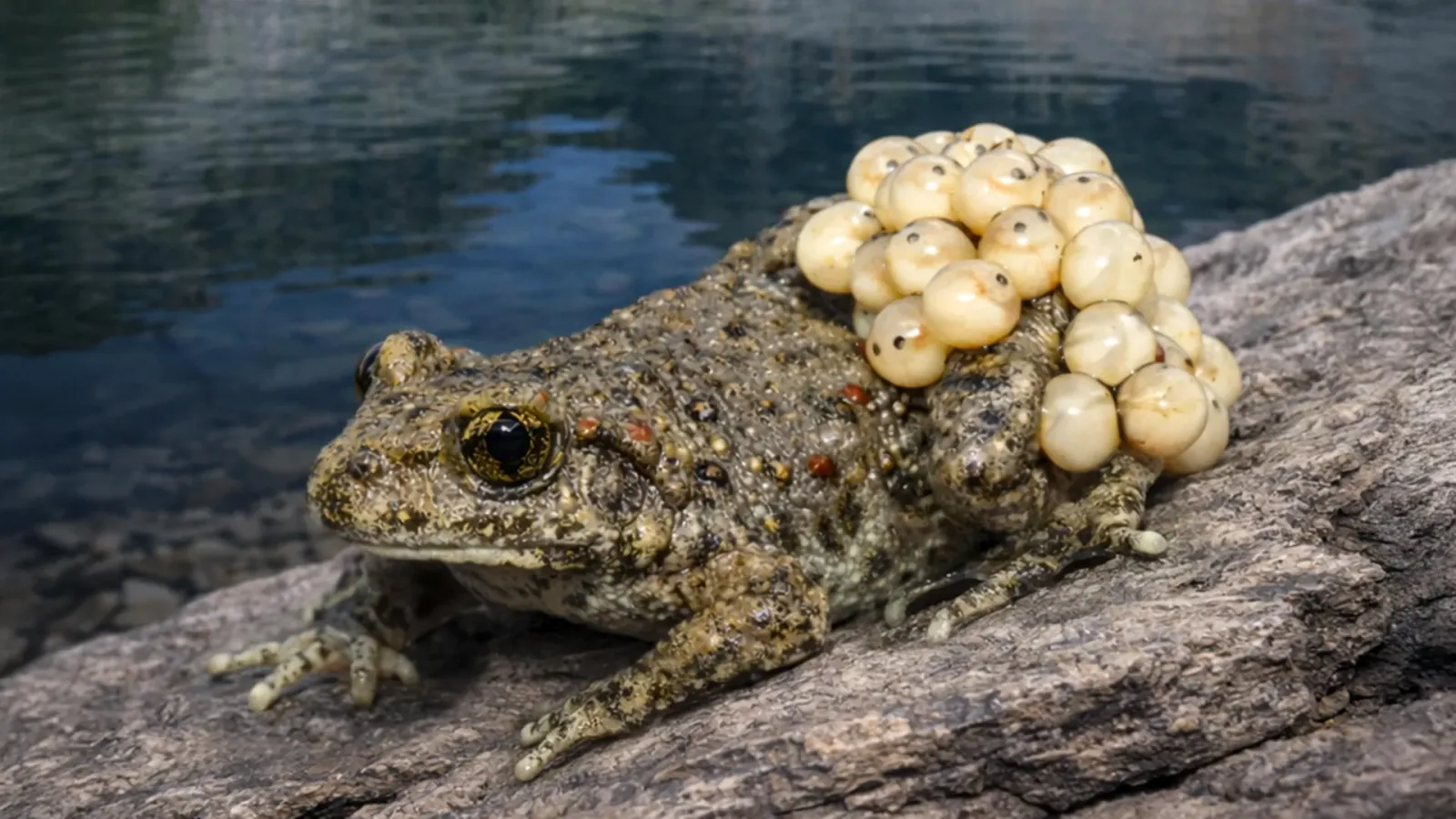
New research shows tadpoles launch antimicrobial protection early, explaining recovery and pointing to drug discovery opportunities.
Aotearoa New Zealand data says nitrate in tap water matters for gestational age, even under the current standard.
Researchers show how exclusionary nationalism leaves fingerprints in word preference, offering a measurable early warning signal.
A fermentation tweak that changes carbon recycling economics: less CO2, more poly[(R)-3-hydroxybutyrate].
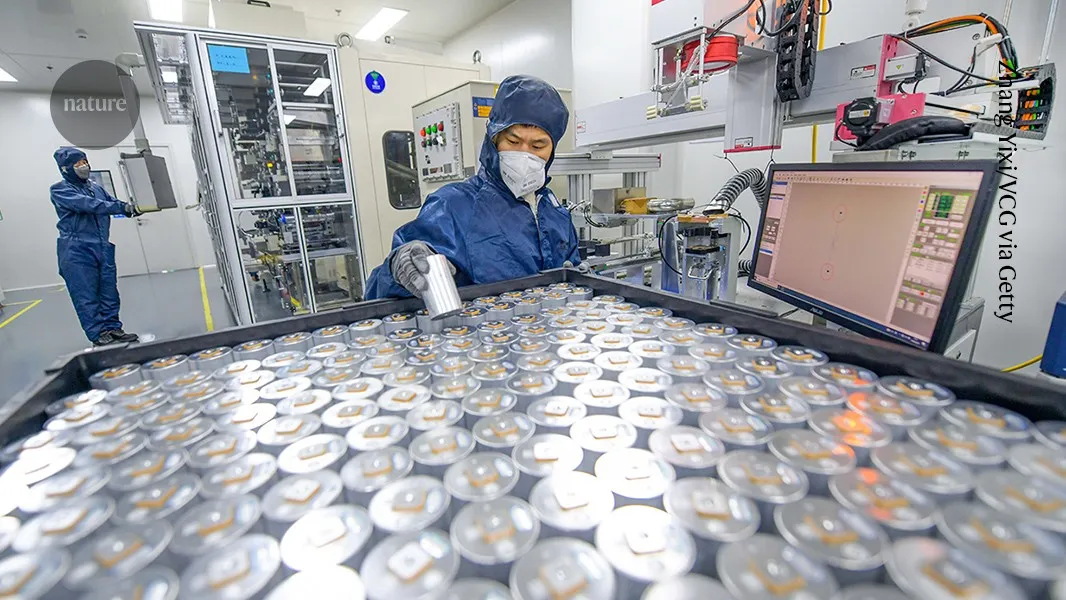
A July 15, 2026 Nature report says sodium-ion is scaling now, with potential ripple effects for EV supply chains and grid storage.
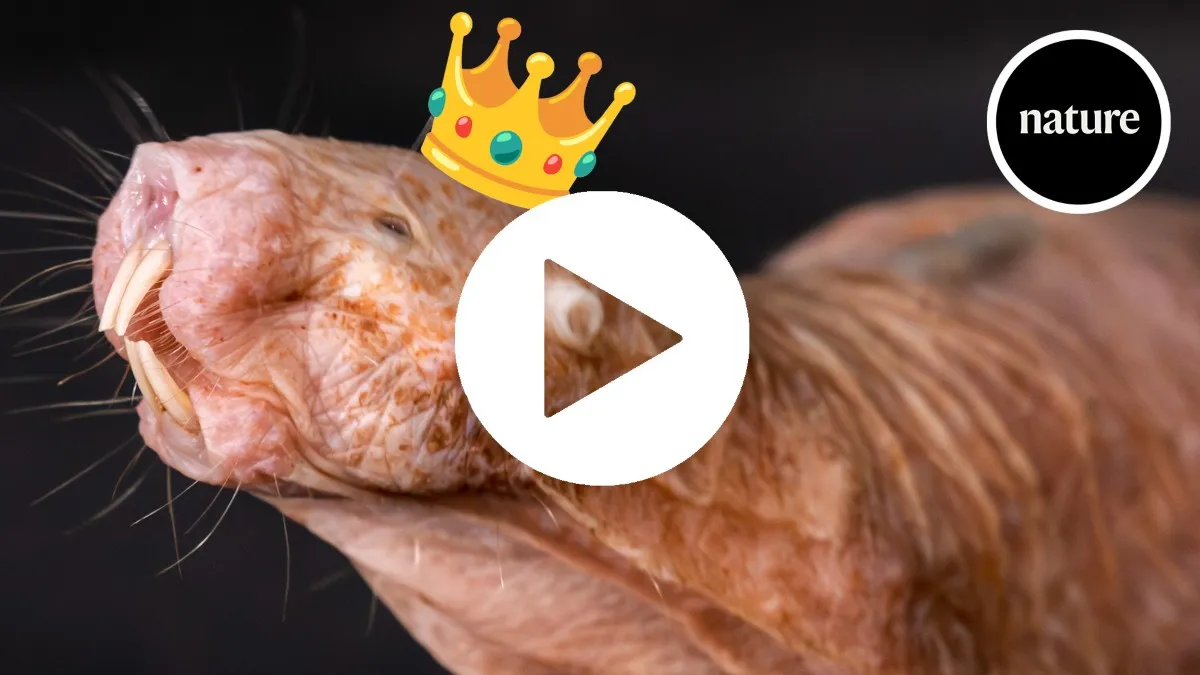
A Nature report links a straightforward chemical mechanism to how queen naked mole-rats keep control of the colony.
How employer-backed fertility benefits changed one couple’s decision to skip time-to-conceive and go straight to IVF.
His LinkedIn announcement caps a career spanning Dead Space and three Call of Duty releases, and it lands mid-industry churn.
A changing Atlantic could shift storm and heat patterns. Here is what researchers are checking, and why boards should care.
Quaternary Science Reviews finds DNA survives tens of thousands of years in hot sub-Saharan climates, with caveats.