
Ace Frehley’s 1975 Les Paul fetches $512,000 at auction
A late KISS-era guitar just proved again that iconic instruments are alternative assets with real price discovery, especially when provenance and pop-culture gravity line up.

Ace Frehley’s iconic 1975 Les Paul guitar sold for $512,000 at auction through Jullen's auction house as part of its Music Icon series. For decision-makers, the sale is a clean reminder that cultural collectibles can command six-figure prices when rarity, provenance, and fandom converge.
Ace Frehley’s iconic 1975 Les Paul guitar sold for $512,000 at auction, a number that tells you everything you need to know about the market for objects that sit at the intersection of music history and scarcity. The guitar belonged to the late KISS legend, and it was sold through Jullen's auction house as part of its Music Icon series. In plain English: this was not just a guitar changing hands, it was a piece of rock memorabilia with enough cultural gravity to clear half a million dollars.
That price matters because it shows how premium collectibles still behave when the asset is truly singular. A guitar like this is not valued only for the wood, hardware, or age. The market is paying for the story, the association, and the fact that there is only one 1975 Les Paul tied to Ace Frehley in this way. When those ingredients line up, auction houses can turn nostalgia into a clean market signal. For collectors, that means prices are not just about condition. They are about provenance, identity, and whether a buyer believes they are getting the definitive object from a defining era.
The sale also lands inside a broader auction environment where music memorabilia has become its own serious lane, not just a niche hobby corner. Jullen's auction house bundled the Les Paul with other items in the Music Icon series, and the broader lineup included pieces associated with Stevie Ray Vaughn, Kirk Hammett, and Izzy Stradlin. That mix matters. It tells you the category is being organized like a curated market, where famous names are grouped to create a ladder of desire for buyers across different fan bases and price points. Auction houses understand the playbook here: create attention, establish credibility with recognizable artists, and let scarcity do the rest.
For executives, the interesting part is how efficiently this kind of sale translates cultural memory into monetizable demand. Music collectibles are a version of alternative assets, but unlike abstract financial products, they come with a built-in emotional moat. Fans do not buy these objects because a spreadsheet tells them to. They buy because the item is emotionally legible, culturally important, and visibly rare. That creates a market that can be resilient in ways casual observers underestimate. When a piece is linked to a legend like Ace Frehley, it is not competing with generic memorabilia. It is competing with the buyer's own sense of what belongs in the canon.
There is also a quiet lesson here about how auction houses package supply. The source says the Les Paul was sold as part of the Music Icon series, which suggests a deliberate attempt to frame individual objects inside a larger story. That matters because presentation influences perception. In collectibles markets, a standalone listing can feel like a product. A themed auction feels like a cultural event. The second version usually draws more attention, more comparison shopping among bidders, and more urgency when buyers fear missing the exact item that best fits their collection. That is not magic. It is market design.
The roster of other items in the sale reinforces the point. Stevie Ray Vaughn, Kirk Hammett, and Izzy Stradlin are not random additions. They are names that signal cross-genre appeal and help broaden the pool of interested bidders. A collector who might not chase a KISS guitar may still watch a sale if it includes another artist they revere. That is how auction catalogs work at the high end: they create adjacency, and adjacency can lift outcomes. For brands, estates, and rights holders, this is a reminder that legacy assets can still generate fresh value when they are placed in the right marketplace with the right framing.
The bigger takeaway for founders, operators, investors, and anyone thinking about value creation is simple: scarcity plus story still prints money, as long as the story is authentic. Ace Frehley’s 1975 Les Paul reached $512,000 because it was already famous in the right circles and because the market believed the object was real, rare, and meaningful. That combination is hard to fake and easy to misunderstand. For peers managing premium consumer brands, creator estates, sports memorabilia, or any asset with fandom attached, this sale is a useful reminder that the strongest prices often come from assets that can be turned into symbols. Symbols travel. Symbols compound. And in the right auction room, symbols can still sell for six figures before the hammer even cools down.
This story's Key Insights and Take-aways are locked.
Create a free account to unlock Executive Actions for one credit.
Register to UnlockAlways free for Executives Club members. Join the Club
More in Entertainment
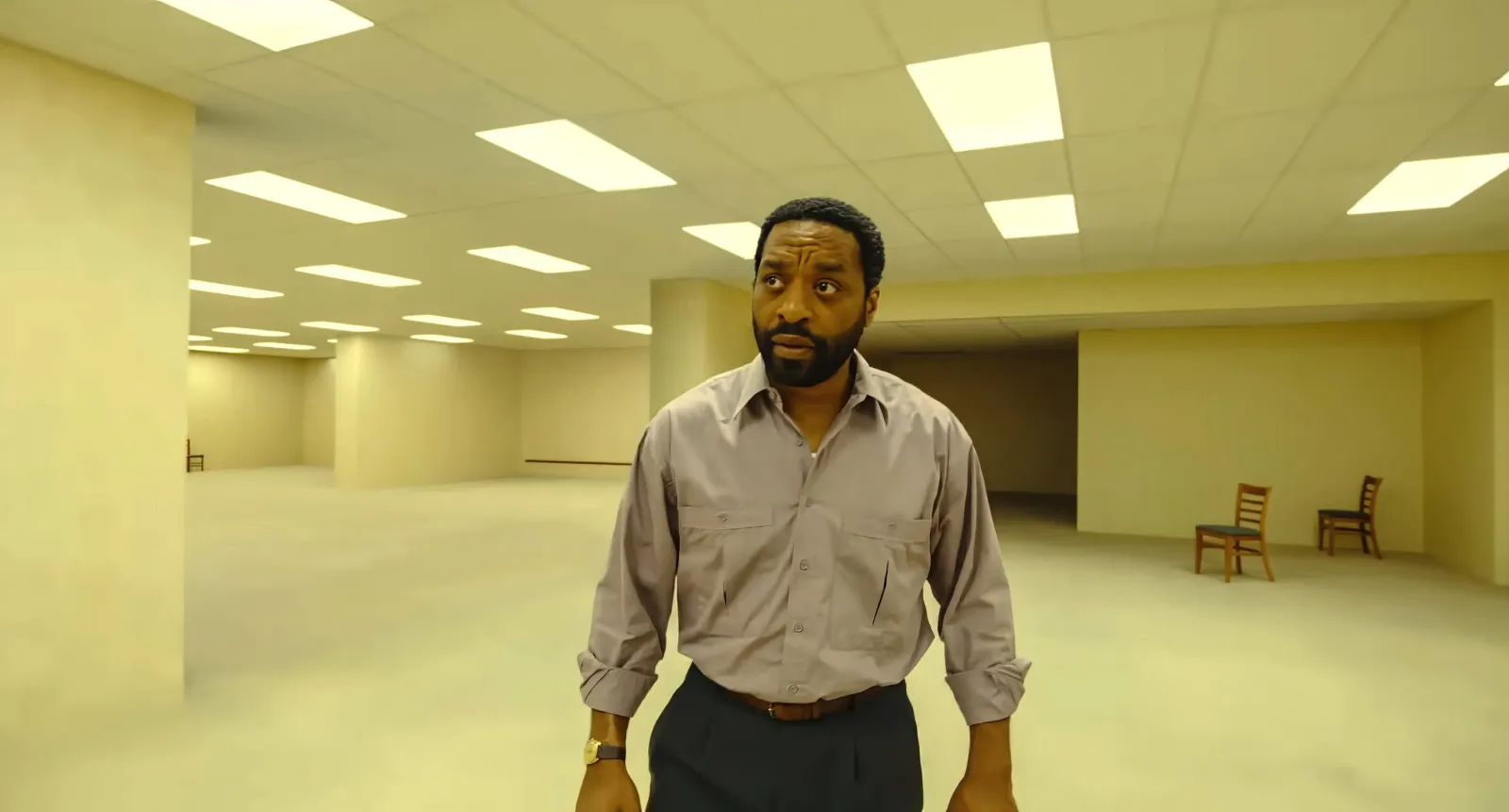
Backrooms hits $100 million in 6 days, and A24 just made history
The horror hit crossed a massive box office line faster than most arthouse films ever do, reshaping what A24 can do in theaters.
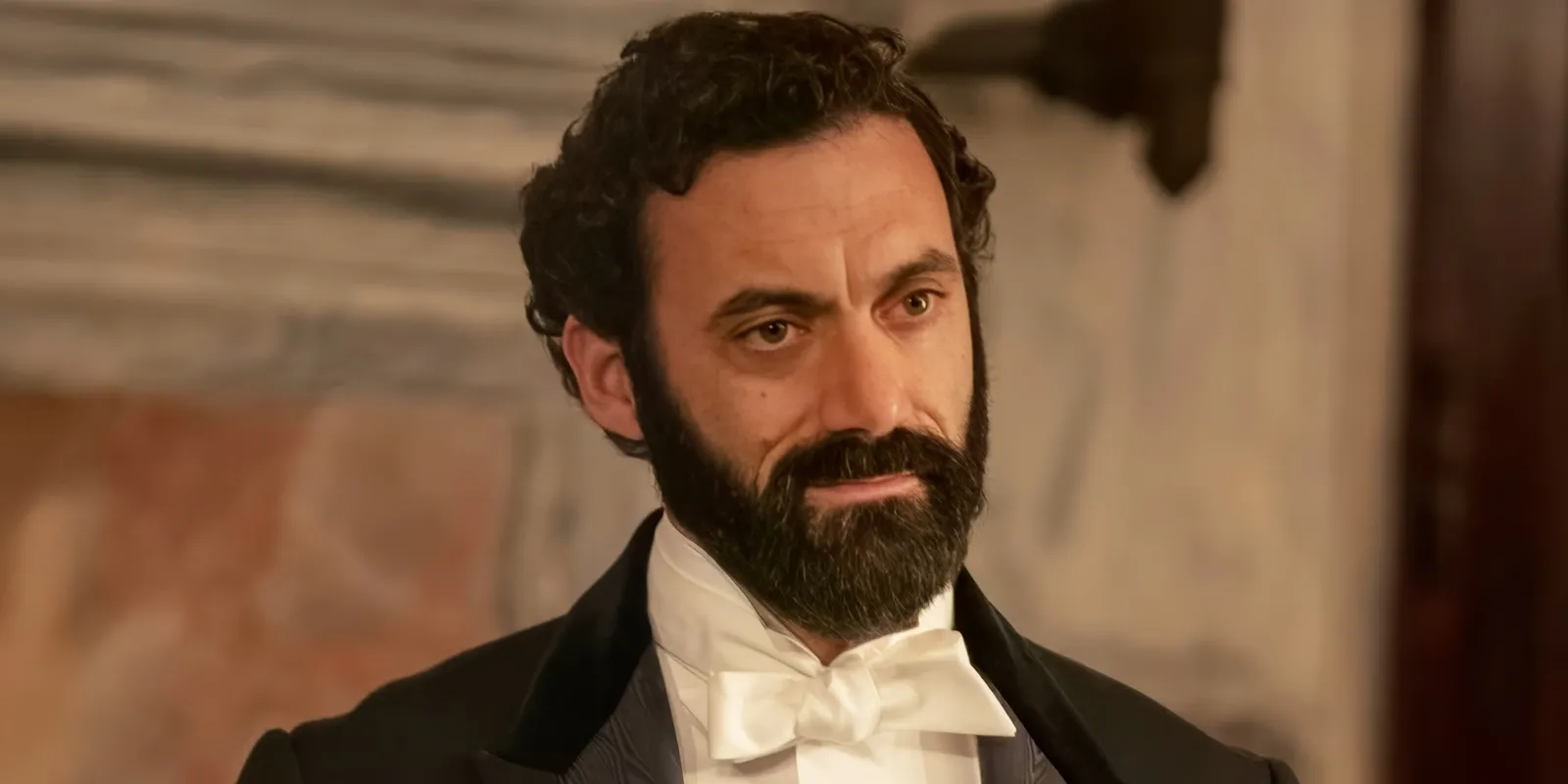
HBO’s Bridgerton Rival Quietly Climbs Back Into the Streaming Race
As Netflix’s period-drama juggernaut keeps widening the market, HBO’s fan-favorite response is regaining momentum ahead of Season 4.

Carrie Brzezinski-Hsu gets Disney's first company-wide creative agency
Main Street folds Yellow Shoes and The Hive into one marketing hub, giving Disney a single creative engine across entertainment, sports, experiences, and consumer products.