
Ash Koosha spent $2,000 to build a film that would cost millions
The premiere of Dreams of Violets at Tribeca signals a massive shift in how indie creators can bypass traditional studio budgets using generative AI.

Director Ash Koosha has produced Dreams of Violets, a 75-minute drama about Iran's anti-government protests, using entirely AI-generated imagery. This milestone marks the first AI-made movie to screen at a major film festival, signaling a potential disruption to the economics of independent filmmaking.
Ash Koosha, an Iranian-British director, just achieved what was previously considered a financial impossibility for independent creators. While a high-end drama involving complex recreations of historical events would typically require millions of dollars in CGI and production budgets, Koosha completed Dreams of Violets for just $2,000. This 75-minute drama, which chronicles the brutal crackdown on anti-government protesters in Iran in January, is set to make history next week as the first AI-made movie to premiere at a major film festival: Tribeca in New York.
Every single image and character within the film is AI-generated. Koosha did not use traditional filming techniques or expensive visual effects houses; instead, he utilized generative artificial intelligence to build a cinematic world from the ground up. By describing physical appearances and using past acquaintances as references, he bypassed the need for massive crews, location scouting, and physical sets. This move represents more than just a budget hack; it is a proof of concept for a new era of storytelling where the barrier to entry is no longer capital, but the ability to prompt and direct machine intelligence.
The film occupies a unique space between documentary and fiction. While it is a work of fiction following a group of strangers who meet in an alleyway during the protests, Koosha notes that approximately 80% of the film is a recreation of actual events. The project is deeply rooted in journalism, eyewitness accounts, and existing video footage. This hybrid approach allows the director to tackle sensitive, high-stakes political subject matter that would be nearly impossible to film on the ground due to extreme security risks. In fact, Koosha explicitly stated that using AI was a safety necessity. Because of the security issues surrounding the protests, it would have been too dangerous to base characters on living people in Iran, as even a remote resemblance could lead to real-world consequences.
For the broader film industry, the implications of Dreams of Violets are seismic. Historically, the gatekeepers of prestige cinema have been the studios and distributors who control the massive capital required for high-fidelity visual storytelling. If a director can produce a festival-grade drama for a fraction of a percent of a traditional budget, the entire value chain of Hollywood is at risk of being reconfigured. We are seeing the emergence of a 'democratized' production model where the primary constraint shifts from financial liquidity to creative and technical literacy. This creates a massive opportunity for indie filmmakers to compete for attention in a crowded marketplace, but it also threatens the traditional labor models of VFX houses and production crews.
However, this shift does not come without friction. The rise of AI-generated content in prestigious spaces like Tribeca forces a reckoning regarding the definition of 'art' and the value of human labor. As AI tools become more sophisticated, the industry must grapple with questions of authenticity, copyright, and the ethical use of training data. For decision-makers in the media and entertainment sectors, the challenge is no longer whether AI will enter the production pipeline, but how to integrate it without devaluing the human element that drives emotional resonance. The success of Koosha's project suggests that the market is beginning to accept AI-generated visuals as a legitimate medium for serious, high-stakes drama.
Ultimately, Dreams of Violets serves as a bellwether for the future of content creation. It demonstrates that AI can be used not just for 'slop' or low-effort content, but as a sophisticated tool for recreating history and navigating geopolitical danger. For founders and investors in the tech and media space, the takeaway is clear: the cost of high-fidelity visual production is collapsing. The competitive advantage is moving away from those who own the most expensive cameras and toward those who can most effectively orchestrate the intersection of human narrative and machine execution.
This story's Key Insights and Take-aways are locked.
Create a free account to unlock Executive Actions for one credit.
Register to UnlockAlways free for Executives Club members. Join the Club
More in Entertainment
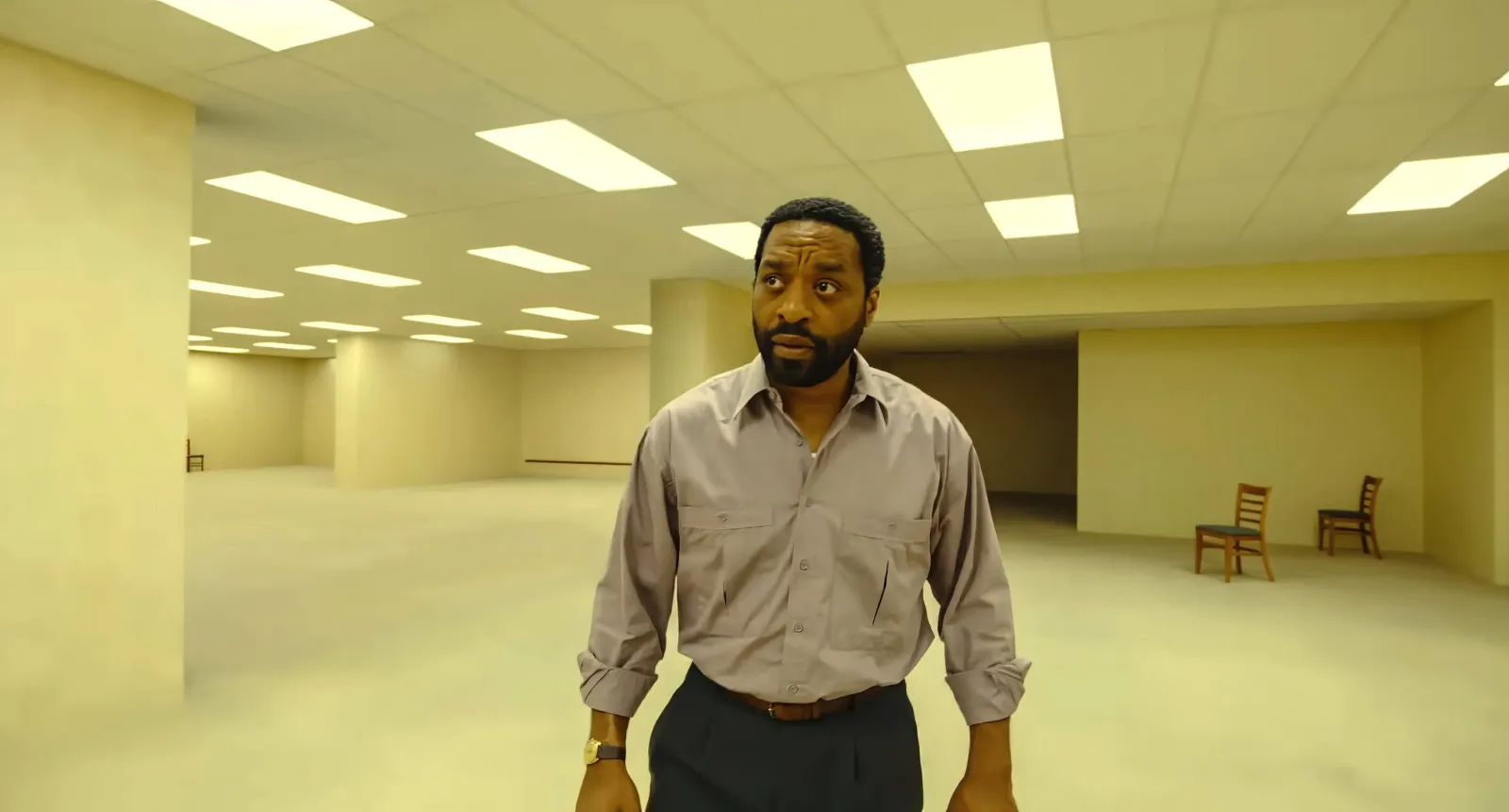
Backrooms hits $100 million in 6 days, and A24 just made history
The horror hit crossed a massive box office line faster than most arthouse films ever do, reshaping what A24 can do in theaters.
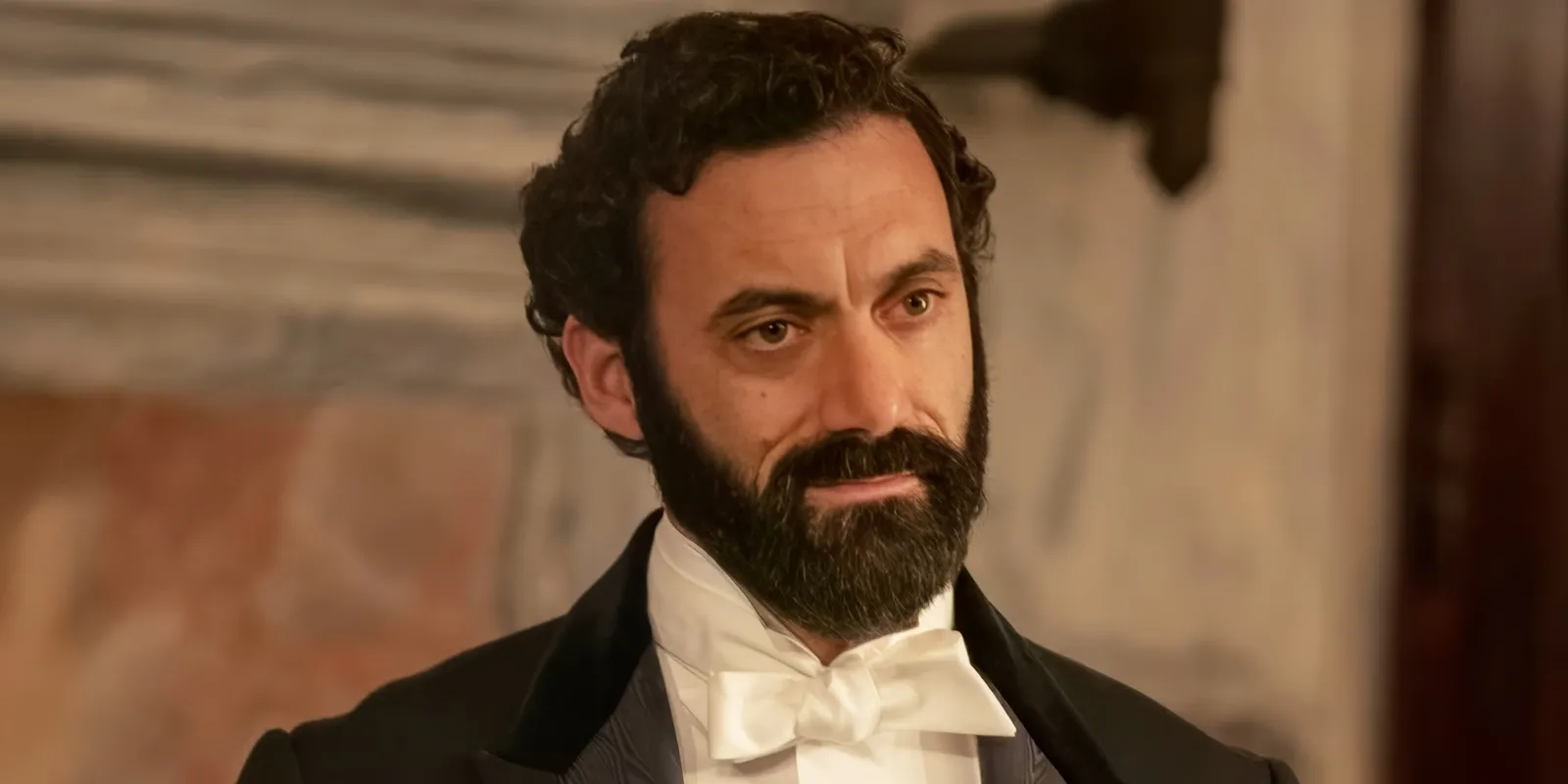
HBO’s Bridgerton Rival Quietly Climbs Back Into the Streaming Race
As Netflix’s period-drama juggernaut keeps widening the market, HBO’s fan-favorite response is regaining momentum ahead of Season 4.

Carrie Brzezinski-Hsu gets Disney's first company-wide creative agency
Main Street folds Yellow Shoes and The Hive into one marketing hub, giving Disney a single creative engine across entertainment, sports, experiences, and consumer products.